



Van Gujjar Families and the Search for Relevant Education
For Van Gujjar families in the Himalayan foothills, education is valued through the opportunities it may create for children and communities. Schooling can support literacy, access to public services, legal awareness and stronger participation in decisions about forests, grazing and land rights. Yet attendance is shaped by a mobile pastoral way of life rather than by a simple preference for or against school.
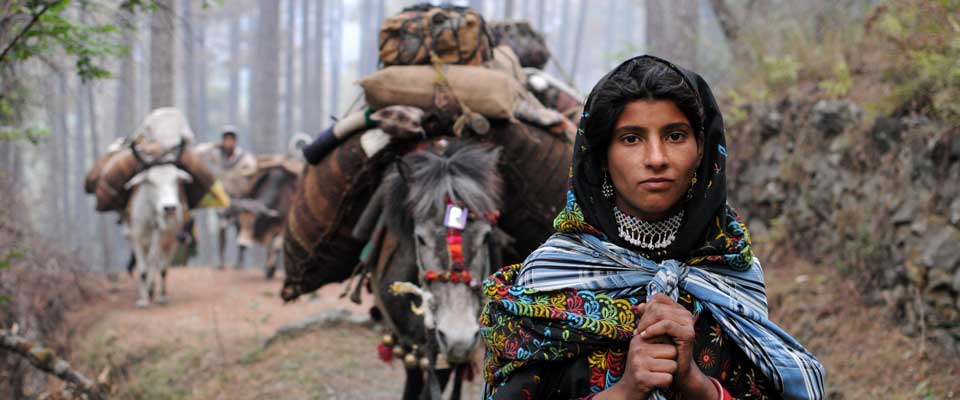
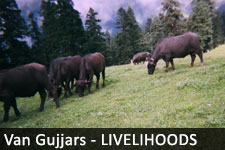
Van Gujjars traditionally move with their buffalo herds between seasonal grazing areas in Uttarakhand and neighbouring regions. Their knowledge of animal health, forests, weather and milk production is practical, specialised and passed through families. A classroom that ignores this knowledge may feel distant from daily responsibilities and community identity.
The barriers are closely connected. Families may travel far from government schools, lack secure housing at migration sites, or struggle with documents needed for enrolment and welfare schemes. Children can also miss lessons during seasonal movement, while language, discrimination and household labour create additional pressure.
For Australian readers, the issue has parallels with wider debates about culturally safe education for Aboriginal and Torres Strait Islander communities. However, Van Gujjar circumstances are distinct, and effective support must begin with their own priorities, institutions and pastoral economy.
Schooling And Seasonal Mobility
Many Van Gujjar households move according to pasture, water and weather. A child enrolled in a village school may be away when the family relocates, making regular attendance difficult. Re-entering a class after weeks or months can be uncomfortable, especially when lessons have advanced and teachers are not prepared for interrupted attendance.
Distance also matters. In forest-edge settlements, roads may be poor and transport costly. Younger children need an adult to accompany them, while older children may be expected to help with buffalo care, milking and household tasks. Residential schooling can solve distance in some cases, but separation from family and concerns about safety may discourage parents.
The Value Families Place On Learning
Van Gujjar parents often see literacy and numeracy as tools for a changing world. Reading documents, calculating milk payments, understanding official notices and communicating with government departments can strengthen household independence. Education may also help young people pursue work beyond daily herding if they choose.
Motivation grows when schooling respects pastoral knowledge. Lessons connected to animal husbandry, ecology, nutrition and local history can show that education is relevant rather than a demand to abandon community life. Flexible learning schedules may help children maintain family relationships while building formal qualifications.
Identity, Language And Trust
Teachers who understand Van Gujjar culture can make a significant difference. Children may feel excluded when their family background is treated as backward or when textbooks present forests and settled agriculture as the only normal way of life. Experiences of prejudice can reduce confidence and weaken parents’ trust in schools.
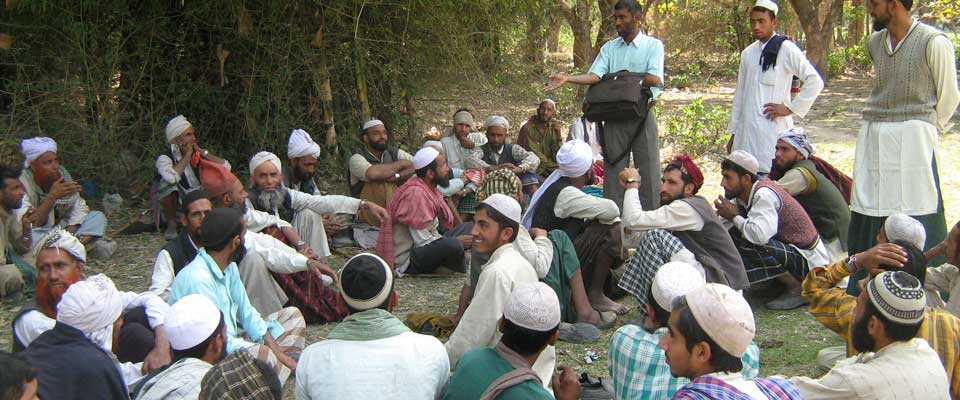
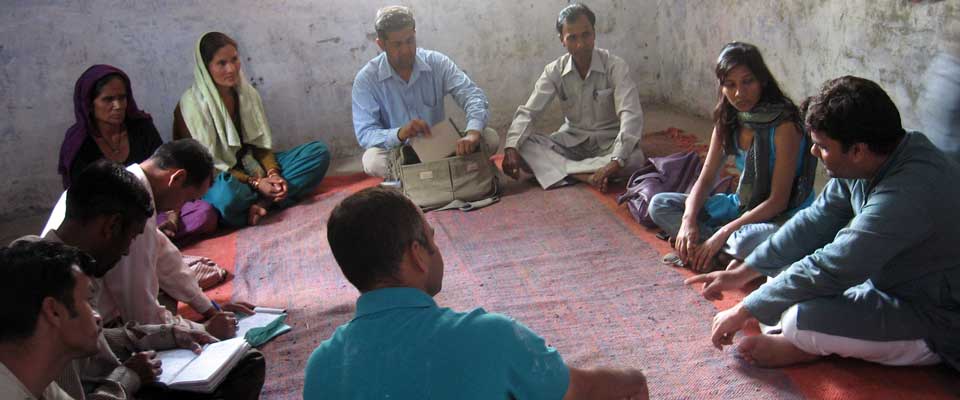
Trust develops through consistent communication. Community meetings, home visits and locally respected facilitators can explain enrolment, scholarships and attendance requirements without blaming families. Learning support should recognise oral knowledge, cooperation between generations and the value of Urdu, Hindi and local speech alongside formal Hindi and English.
Documents And Public Services
Proof of residence, birth certificates and other records can be difficult to maintain for families whose customary routes cross districts or state boundaries. Administrative categories may not reflect a mobile pastoral identity. Without documentation, children can face delays in admission, scholarships, food support or examinations.
Rights-based organisations can help families navigate these systems while advocating for more flexible procedures. India’s Right to Education framework provides an important basis for access to schooling, while forest and domicile rights affect the security of communities. Implementation must reach seasonal settlements, not stop at permanent village offices.
Livelihoods And Household Decisions
Education competes with immediate economic responsibilities. Buffaloes provide milk, income and food security, and children contribute to milking, grazing and caring for younger siblings. When household earnings are uncertain, the short-term value of a child’s labour can appear more urgent than the long-term benefits of school.
Reliable milk markets can ease this pressure. Fair prices, producer groups, veterinary support and better access to buyers may allow families to keep children in education without sacrificing essential work. For Australian audiences accustomed to buying milk at Woolworths or Coles, the connection between a stable supply chain and a producer household can be easy to overlook.
Lessons For Australian Partners
Supporters in Melbourne, Sydney or regional Australia should avoid importing a fixed model of schooling. Australian policy discussions around the Closing the Gap strategy and the Australian Curriculum show the importance of cultural safety, community participation and local knowledge, but these principles must be adapted to Himalayan pastoral life.
Everyday habits such as online enrolment, digital banking and email communication can also create distance when families have limited connectivity or shared devices. Partnerships should fund trusted local workers, translation, mobile learning and transport rather than assuming that a smartphone or a school building solves access.
Building Education Around Community Strengths
SOPHIA’s work can connect education with rights awareness, buffalo husbandry, forest stewardship and sustainable livelihoods. Community-led learning spaces, seasonal study plans and bridge programmes can help children continue learning while moving with their families. Older students may benefit from vocational training linked to dairy management, bookkeeping, animal health and conservation.
Progress should be measured through more than attendance figures. Families’ confidence in schools, children’s retention, successful access to documents and the inclusion of Van Gujjar knowledge are equally important. Government departments, teachers, researchers and civil society groups can work with community representatives to design practical solutions.
Supporting SOPHIA means helping Van Gujjar communities shape education on their own terms. Donations, responsible partnerships, advocacy and informed sharing can strengthen flexible learning, rights awareness and pastoral livelihoods. Visit SOPHIA’s work, explore its community projects and contribute to approaches that keep culture, mobility and opportunity together.