



Understanding The Seasonal Migration Routes Of Van Gujjar Herders In Uttarakhand
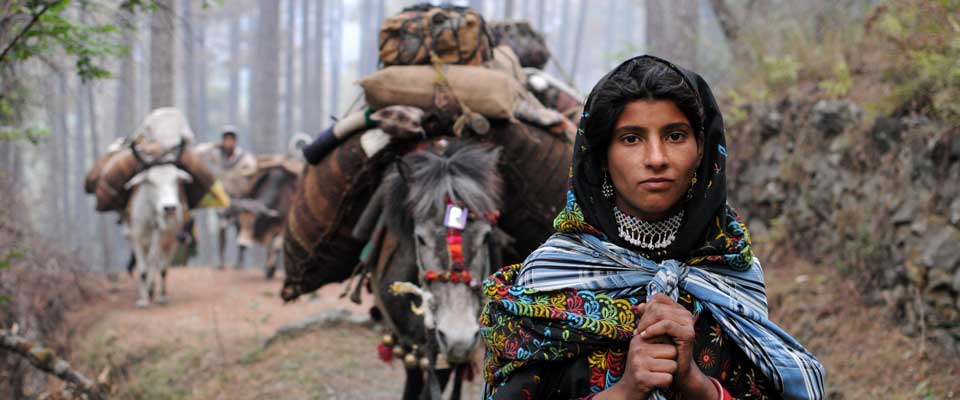
For Van Gujjar families, seasonal migration is a carefully timed livelihood system shaped by rainfall, pasture, forest access and the needs of buffalo herds. Each year, families move between lower forest settlements and higher Himalayan grazing grounds, carrying household goods, fodder knowledge and generations of route memory with them.
This movement is often described simply as migration, yet it is also a form of pastoral land management. The route links milk production, animal health, family life and cultural identity. Understanding it requires attention to the landscape and to the rights of communities who have lived and worked across these forests for generations.
A Journey Between Forest And Mountain
Many Van Gujjar households spend the colder months in the foothill forests and Terai areas of Uttarakhand. As temperatures rise in spring, families begin preparing for the upward journey towards summer grazing areas in the middle and higher Himalayan ranges.
The return journey generally begins before winter closes the higher pastures. Families travel downhill through established forest corridors, often reaching areas around Haridwar, Dehradun, Pauri Garhwal and neighbouring districts. The exact route depends on pasture conditions, forest regulations, road construction and access to water.
The Seasonal Calendar
The spring movement usually takes place between March and May. Families travel in stages because buffaloes need regular grazing, rest and access to water. A slower pace also allows calves and weaker animals to manage steep or unfamiliar ground.
During September to November, herders begin descending before heavy snowfall and severe cold affect the upper slopes. Timing is not fixed by a calendar alone. Rainfall, grass growth, disease risks and local permission all influence when a family leaves and where it stops.
Routes Carried In Community Memory
Migration paths are often remembered through rivers, ridgelines, forest clearings, villages and traditional resting places. Elders pass this knowledge to younger members, including information about safe crossings, water sources, medicinal plants and places where buffaloes can graze without damaging crops.
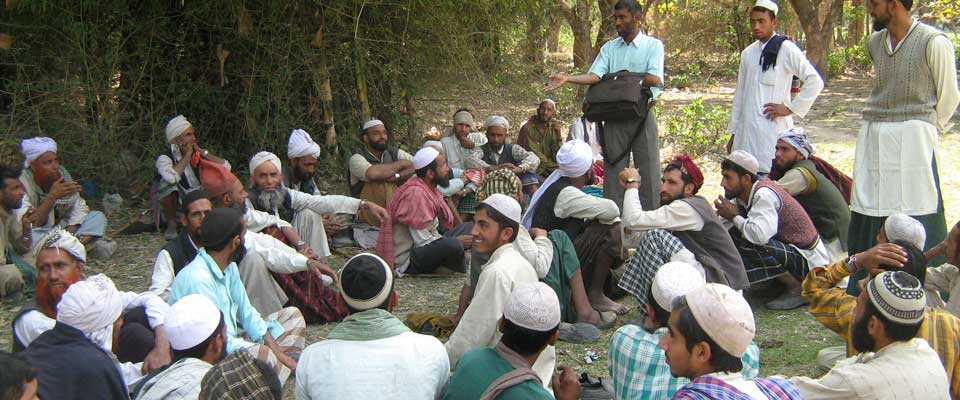
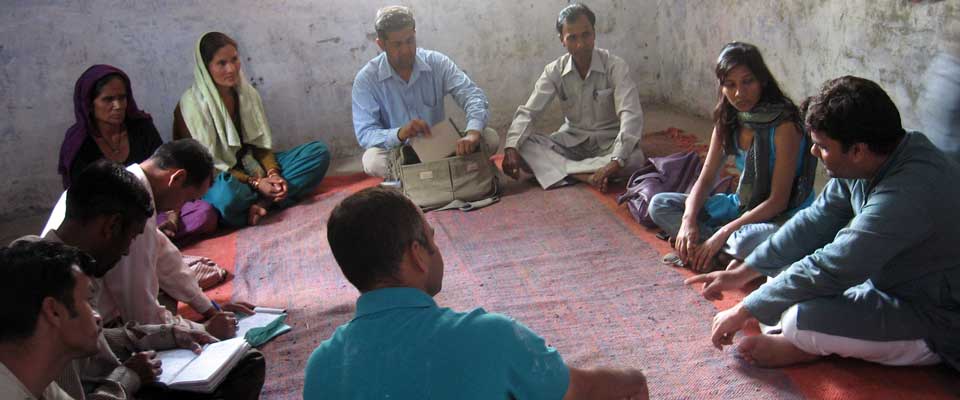
Modern mapping can support this oral knowledge, but it should not replace community authority. Participatory maps, household interviews and GPS records are most useful when Van Gujjar families decide what information can be documented and how it should be used.
Buffaloes At The Centre Of The Route
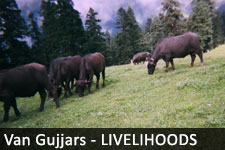
The buffalo herd determines the rhythm of travel. Buffaloes provide milk, manure and income, while their grazing needs shape the choice of camps and stopping points. Families must also account for calving, veterinary care, predators, injury and the availability of clean water.
Milk marketing becomes more difficult in remote areas. Poor roads, limited chilling facilities and long distances to buyers can reduce the price received by herders. This differs from the Australian dairy market, where refrigerated collection systems and established processors connect farms to supermarkets in cities such as Melbourne and Brisbane.
Forest Rights And Protected Landscapes
Van Gujjar migration routes cross forests managed through several legal and administrative systems. Protected areas and conservation measures can restrict access to traditional camps, while relocation programmes may separate families from grazing grounds and milk customers.
Rights-based work helps communities document their relationship with the forest and engage with government agencies. The Forest Rights Act and other legal provisions are important tools, yet recognition on paper must be matched by practical access to pasture, water, schooling, health services and secure settlement options.
Lessons From Pastoral Australia
Australian readers may recognise elements of this system in the seasonal movement of stock through the Victorian High Country or the management of cattle across Northern Territory stations. The scale and legal setting are different, but both systems depend on reading weather, grass and animal condition rather than treating land as a fixed resource.
In Australia, people might call this “working the country” or speak about keeping a close eye on the bush. Van Gujjar families similarly rely on detailed ecological observation. Their mobility should not be confused with insecurity or lack of organisation; it is a skilled response to a varied mountain environment.
Supporting Sustainable Livelihoods
Sustainable pastoralism depends on secure routes, fair milk prices, veterinary services and respectful government engagement. Community-led advocacy can help identify where crossings are blocked, where grazing pressure is increasing and where basic facilities would make migration safer.
Environmental cooperation also grows through practical local action. Community clean-ups, careful waste management and shared responsibility for common spaces are relevant across regions; examples such as community beach action show how collective stewardship can turn concern for the environment into visible participation.
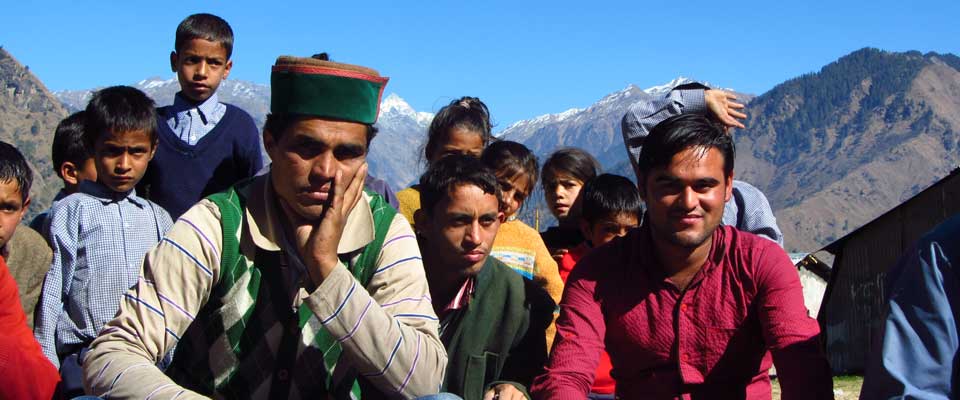
SOPHIA works with Van Gujjar and Himalayan village communities through social mobilisation, rights awareness, advocacy and partnerships. Learn more about these migration routes, support community-led research and share the importance of pastoral rights with organisations, educators and decision-makers in Australia and beyond.