



Understanding the Role of Elders in Resolving Herding Disputes
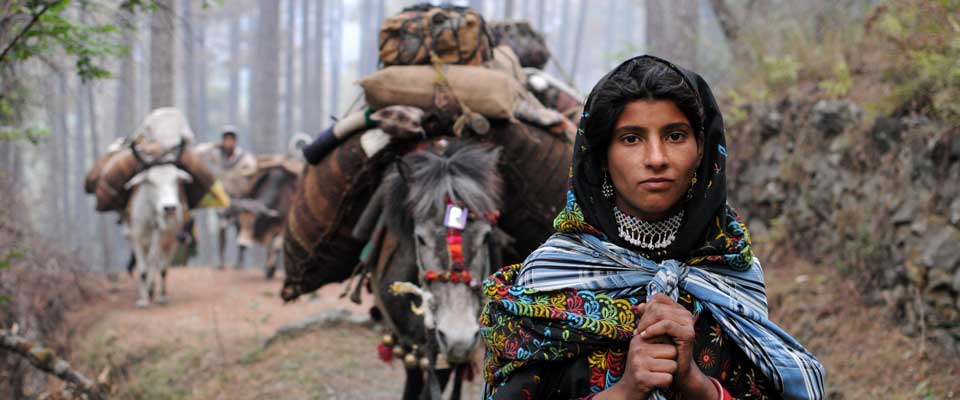
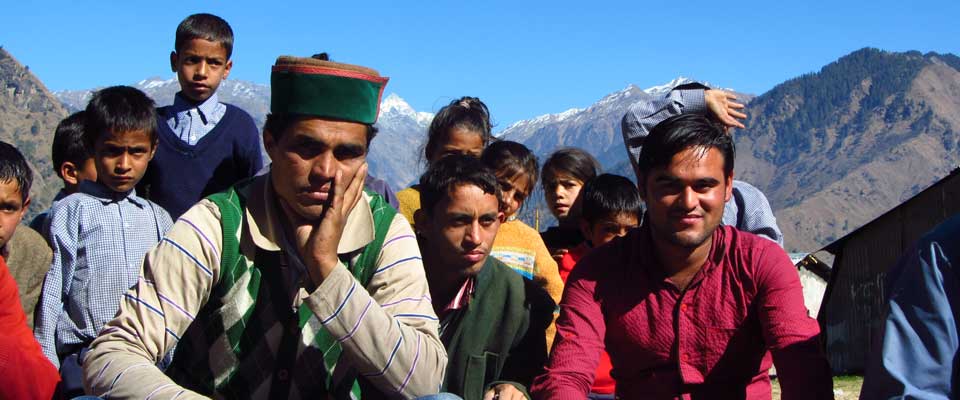
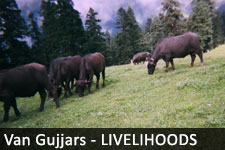
In mountain pastoral communities, disagreements over grazing routes, water sources, livestock damage and forest access can quickly affect an entire household. For Van Gujjar families and Himalayan village communities, these conflicts are connected to seasonal movement, buffalo husbandry, customary rights and relationships with neighbouring settlements.
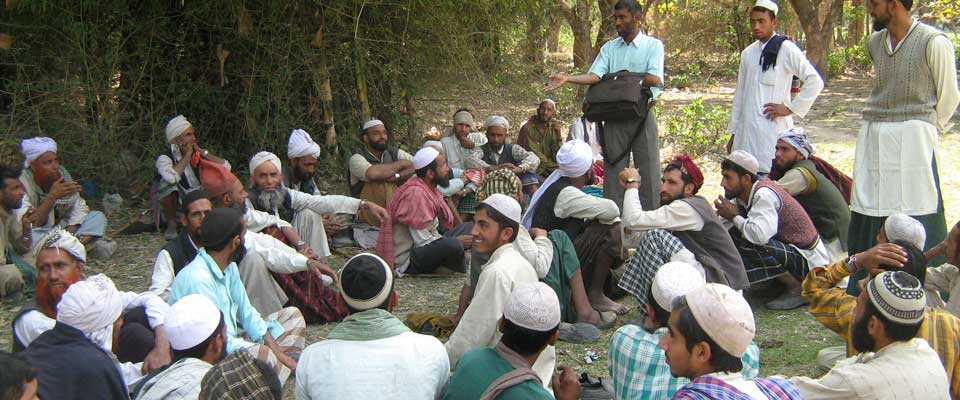
Elders often help restore balance before a dispute reaches the police, courts or government offices. Their influence comes from lived experience, knowledge of local landscapes and trust built over many years. Their role is strongest when it works alongside women, young people, elected representatives and rights-based organisations such as SOPHIA.
Knowledge Built Through Seasonal Movement
Many elders have travelled the same forest paths and grazing corridors across generations. They remember where herds traditionally stopped, how rivers changed after the monsoon and which routes became unsafe during winter. This practical memory can clarify whether a disputed pasture has been used seasonally or claimed only recently.
Their knowledge also helps distinguish an accidental mistake from a repeated breach. A buffalo entering a cultivated field may be explained by a broken fence, a blocked path or a shortage of fodder. Understanding these circumstances allows a settlement to address the cause rather than simply blame the herder.
Listening Before Judging
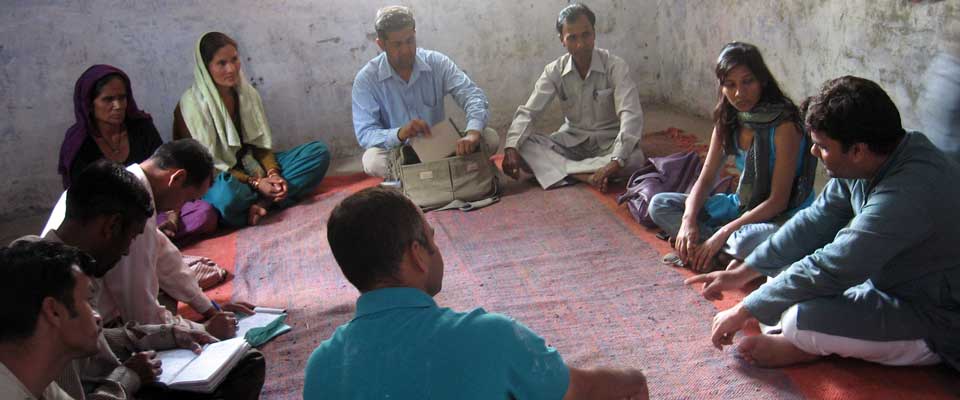
An elder’s first responsibility is often to listen carefully to every side. This may involve visiting the site, speaking with livestock owners and cultivators separately, and allowing people to describe losses without interruption. A calm process can reduce anger and prevent a small disagreement from becoming a wider community conflict.
Good mediation does not mean automatically supporting the oldest or most powerful person. Fair elders consider evidence, past agreements and the needs of households with fewer resources. They can also encourage respectful discussion when language, status or social pressure makes it difficult for women, migrants or younger herders to speak openly.
Customary Practice And Formal Rights
Community traditions can provide practical ways to settle disputes, including compensation, shared labour, repairing fences or adjusting grazing schedules. These arrangements are valuable because they are familiar, inexpensive and suited to local conditions. They can preserve relationships that would be damaged by a purely adversarial process.
Customary decisions still need to respect constitutional protections, forest rights, domicile rights and other legal safeguards. Elders can help communities document agreements and approach officials when a matter involves protected forests, land records or serious harm. SOPHIA supports this connection between community knowledge, social mobilisation and engagement with government systems.
Protecting Shared Resources
Herding disputes often reveal pressure on common resources. Water points may be crowded, pasture may be reduced by cultivation or construction, and forest restrictions may leave buffalo owners with fewer safe routes. An elder can shift the conversation from personal accusation to collective resource management.
Practical solutions might include a rotating access timetable, agreed no-grazing zones near crops, community maintenance of water sources and early warnings before herds move. Written records, maps and locally accepted signs can make these arrangements clearer for families who travel between seasonal locations.
Lessons For Australian Pastoral Communities
Australian readers may recognise similar tensions around stock routes, shared water infrastructure and access across private or public land. A dispute near Alice Springs, regional Victoria or the outskirts of Brisbane may involve different laws and landscapes, yet the need for trusted mediation is familiar. Aboriginal Elders also hold profound cultural and ecological knowledge, although their roles and traditions should never be treated as interchangeable with Van Gujjar community leadership.
Australia’s dry seasons, drought conditions and livestock markets can intensify pressure on grazing decisions. A missed sale at a regional livestock market, rising feed prices or transport costs can make compensation difficult for a small producer. Early discussion through local producer groups, councils and respected community figures may prevent financial stress from becoming a lasting neighbourhood dispute.
Including Women And Younger Herders
Elders carry authority, but sustainable conflict resolution requires broader participation. Women may manage milk processing, household finances and buffalo care, giving them vital information about the real effects of a grazing disagreement. Young herders often know current routes, mobile communication tools and changing rules better than older relatives.
A strong mediation process creates space for these perspectives before an agreement is finalised. It can also build the next generation of community facilitators, ensuring that traditional knowledge remains active rather than becoming a memory held by only a few people.
From Settlement To Stronger Communities
The best outcome is more than ending an argument. It is an agreement that people understand, can follow and can revisit when conditions change. Elders may monitor whether a route remains open, whether compensation has been delivered or whether a promised repair has been completed.
SOPHIA’s work with indigenous and Himalayan communities shows how local leadership can connect everyday problem-solving with wider advocacy. When pastoral families organise, record their experiences and engage constructively with authorities, they are better placed to protect livelihoods and claim recognition of their rights.
Support community-led pastoral work by learning about SOPHIA’s projects, sharing its advocacy and exploring responsible ways to contribute. Stronger recognition of elder knowledge, inclusive mediation and secure herding rights can help communities protect both livelihoods and the landscapes on which they depend.