



Understanding Grazing Land Politics And Livelihoods
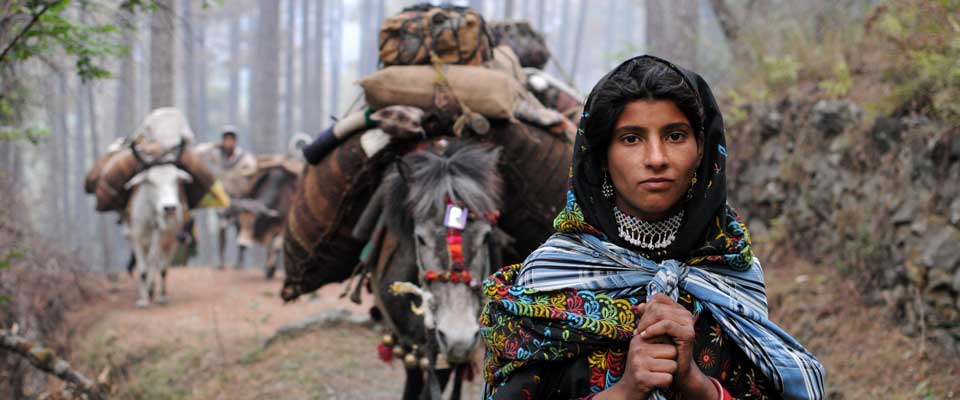
Grazing land is often described as open space, but for pastoral communities it is a foundation of food security, income, culture, and mobility. In the Himalayan foothills and forests of northern India, access to pasture determines whether families can maintain buffalo herds, sell milk, and continue long-standing seasonal practices.
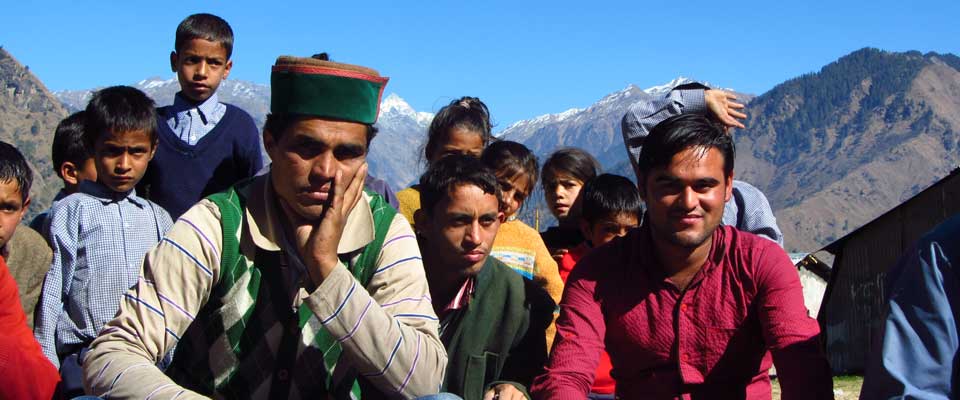
The political economy of grazing land examines who controls these landscapes, how access is governed, and who benefits from changing land use. It connects village institutions, forest policy, conservation rules, markets, infrastructure, and social power. For Van Gujjar and Himalayan village communities, these decisions directly affect everyday survival.
Understanding this relationship requires looking beyond maps and legal categories. Land marked as forest, revenue land, protected area, or village common may carry different meanings for government agencies and the people who depend on it. Community knowledge and customary use are essential to creating fair and sustainable solutions.
Grazing Land As A Common Resource
Pastures, forest edges, river corridors, and seasonal routes often function as common resources. They support livestock grazing, fodder collection, water access, and movement between winter and summer settlements. Their value is shared, but access is rarely equal or automatic.
Rules governing common land may come from village councils, forest departments, district administrations, conservation authorities, or informal community agreements. When these systems overlap without coordination, pastoral families can face unclear boundaries, fines, eviction threats, or restrictions on traditional routes.
Law, Tenure, And Recognition
Land tenure shapes the security of pastoral livelihoods. A family may have used a grazing route for generations yet lack documents that the state recognizes. The difference between customary rights and formally recorded rights can determine access to forests, settlement services, compensation, and participation in local decision-making.
Forest and domicile rights are therefore connected to grazing rights. Recognition is not simply a legal procedure; it can strengthen community voice in forest management and public planning. Rights-based approaches also help prevent development projects, land conversion, and conservation measures from displacing people whose livelihoods depend on mobile livestock keeping.
Who Benefits From Changing Land Use
Grazing areas can be redirected toward plantations, tourism facilities, roads, urban expansion, commercial agriculture, or conservation infrastructure. Each change creates winners and costs. Local communities may lose fodder and water access while receiving few of the economic benefits generated from the land.
The distribution of power matters as much as the stated purpose of a project. Administrative agencies, private businesses, landowners, and influential local groups may have greater capacity to secure permits or shape public decisions. Pastoral households, especially those with limited documentation or political representation, can be left carrying the social and economic burden.
| Land Governance Approach | Access Pattern | Potential Benefit | Common Risk |
|---|---|---|---|
| Customary community management | Based on shared rules and seasonal use | Local accountability and flexible grazing | Exclusion of weaker households if safeguards are absent |
| State-controlled grazing regulation | Permits, boundaries, and official schedules | Clear administrative oversight | Rules may ignore mobility and customary practice |
| Conservation-led protection | Restricted or zoned livestock access | Habitat protection and ecological recovery | Displacement, conflict, or loss of fodder |
| Market-oriented land conversion | Land allocated to commercial activities | Investment and infrastructure | Reduced commons and unequal distribution of gains |
| Participatory co-management | Shared decisions among communities and agencies | Combines local knowledge with public oversight | Requires trust, transparency, and sustained engagement |
Livestock, Milk, And Local Markets
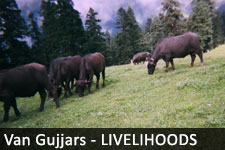
Buffalo husbandry links grazing land to household income. Access to affordable fodder reduces production costs, while healthy animals support regular milk sales. When pasture becomes scarce, families may purchase more feed, reduce herd size, migrate under pressure, or leave livestock keeping altogether.
Milk marketing also reflects political and economic power. Remote producers may receive lower prices because of weak transport, limited storage, irregular collection, or dependence on intermediaries. Strengthening producer groups, local collection systems, and fair market access can help communities retain more value from their work.
Gender And Social Inclusion
The economics of grazing are often measured through herd size or milk income, while overlooking the unpaid labor that sustains livestock production. Women frequently manage milking, fodder collection, animal care, household nutrition, and local sales. Restrictions on land and water access increase this workload and reduce household resilience.
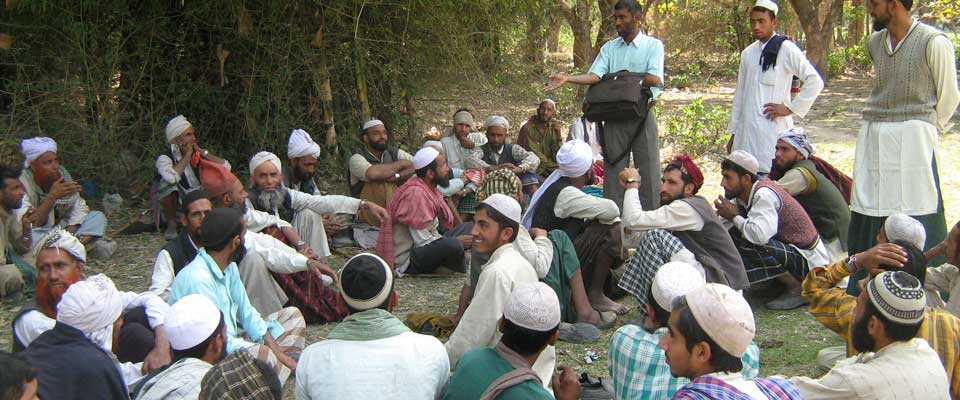
Social position also affects who can speak in village meetings and claim public benefits. Any grazing policy that treats a community as a single, equal group may miss differences related to gender, age, wealth, settlement status, or migration history. Inclusive institutions need transparent records, accessible meetings, and meaningful participation from groups that are often unheard.
Building Fairer Grazing Governance
Sustainable grazing is possible when ecological protection and community rights are addressed together. Local monitoring can help manage stocking levels, protect water sources, restore degraded pasture, and respond to seasonal pressures. Such measures work best when communities help design the rules and have a recognized role in enforcing them.
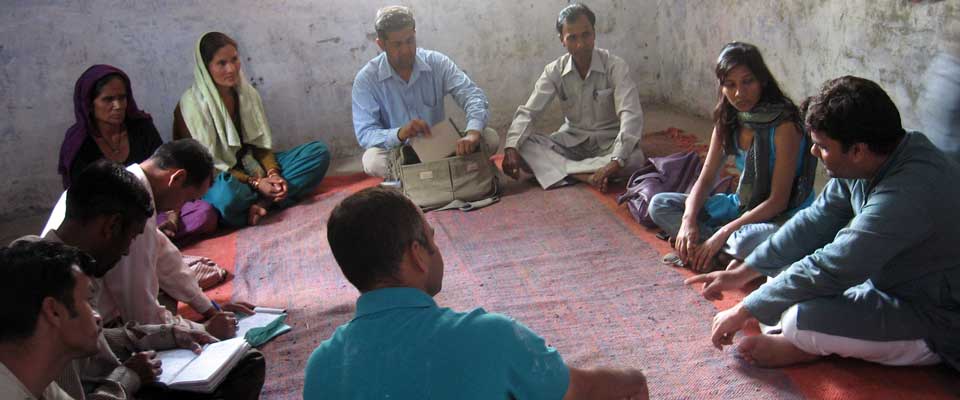
Organizations such as SOPHIA support this process through social mobilization, legal awareness, government engagement, and partnerships. Evidence from community experience can inform district planning and advocacy, while dialogue with public agencies can reduce conflict and improve implementation. The goal is secure livelihoods alongside responsible stewardship of forests and pasture.
Practical Priorities For Communities And Institutions
- Record customary grazing routes, seasonal camps, water sources, and locally accepted management rules.
- Support legal awareness and documentation related to forest, domicile, settlement, and pastoral rights.
- Improve buffalo health services, fodder planning, veterinary access, and fair milk collection.
- Include women, mobile pastoralists, land-poor families, and marginalized households in decision-making.
- Use participatory monitoring to balance livestock needs, biodiversity protection, and climate resilience.
Grazing land is an economic asset, a cultural landscape, and a matter of justice. Policies become more effective when they recognize pastoral mobility, secure community participation, and examine who gains or loses from land-use decisions.
SOPHIA welcomes collaboration with communities, researchers, civil society groups, public institutions, and responsible supporters working for indigenous rights and sustainable pastoral livelihoods. Explore its projects and community work, share relevant knowledge, and contribute to efforts that protect fair access to land, forests, and dignified rural incomes.