




Forest Rights Act: A Guide for Pastoral Communities
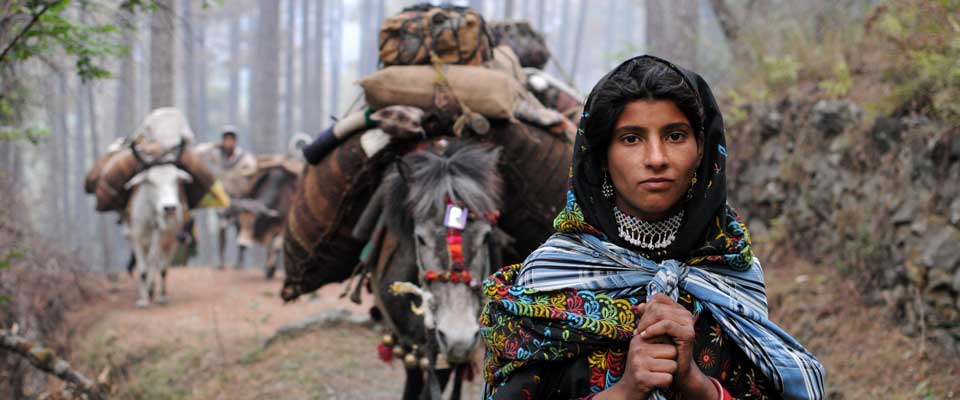
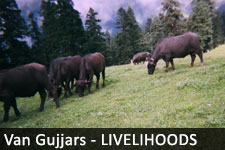
Understanding the Forest Rights Act: A Guide for Pastoral Communities begins with recognizing that forests are homes, workplaces, grazing landscapes, and cultural spaces. For Van Gujjar and other Himalayan pastoral communities, seasonal movement with buffalo herds is closely connected to customary routes, water sources, fodder, and access to forest land.
The Scheduled Tribes and Other Traditional Forest Dwellers (Recognition of Forest Rights) Act, 2006, commonly called the Forest Rights Act (FRA), was created to correct the historical denial of forest rights. It provides a legal process through which eligible forest-dependent families and communities can claim and manage rights that have long been used in practice.
Why The Forest Rights Act Matters
Before the FRA, many forest communities were treated as encroachers even when their families had lived in and depended on forest landscapes for generations. Pastoralists could face restrictions on grazing, seasonal migration, collection of forest produce, and access to traditional settlements.
The law recognizes that conservation and community rights must be addressed together. Secure rights can improve livelihood planning, reduce conflict with authorities, and give Gram Sabhas a stronger role in protecting forests, grasslands, water sources, and wildlife habitats.
Recognition does not mean unrestricted commercial use of forest land. It creates legally defined rights alongside responsibilities for sustainable use, biodiversity protection, and compliance with applicable conservation measures.
Who Can Claim Forest Rights
The FRA covers two broad groups. Members of Scheduled Tribes must show that they primarily reside in forests or on forest land and depend on forests for their bona fide livelihood. Other traditional forest dwellers must generally demonstrate residence and dependence for at least three generations, meaning 75 years, before 13 December 2005.
Eligibility is determined through evidence and the statutory process, not by a community label alone. This is especially important for Van Gujjar families whose recognition as Scheduled Tribes, domicile status, settlement history, or access to records may differ between states and districts.
Claims may be made by individuals, households, or communities. A family’s residence, grazing practice, and livelihood connection should be recorded accurately, including seasonal movement between forests, villages, and highland pastures.
Rights Relevant To Pastoral Livelihoods
The Act can recognize rights to occupy and live on forest land under individual forest rights, subject to the legal limits of the claim. It also recognizes community rights, including traditional access to grazing areas and seasonal resources. For mobile pastoralists, documenting customary routes and shared grazing landscapes is often as important as recording a permanent residence.
Communities may also claim rights to collect, use, and dispose of minor forest produce gathered traditionally and sustainably. Depending on local circumstances, this can include fodder, fallen wood, honey, medicinal plants, and other non-timber forest products. Community forest resource rights can support local protection and management of forests customarily used by a village or pastoral group.
The law further addresses habitat rights for particularly vulnerable tribal groups and rights connected with traditional settlements. These provisions should be examined carefully where community life extends across several forest ranges or administrative boundaries.
| Type of right | Relevance for pastoral communities | What may help establish the claim |
|---|---|---|
| Individual forest right | Residence and cultivation on eligible forest land | Household records, local testimony, old settlement evidence |
| Community grazing right | Seasonal or customary grazing by herds | Migration routes, Gram Sabha resolutions, witness statements |
| Community forest resource right | Protection and management of customary forest areas | Community maps, resource-use records, conservation practices |
| Minor forest produce right | Collection and use of traditional forest products | Statements from collectors, local records, customary practice |
| Habitat or settlement-related right | Recognition of collective living and cultural spaces | Community history, habitation maps, administrative records |
How A Claim Is Processed
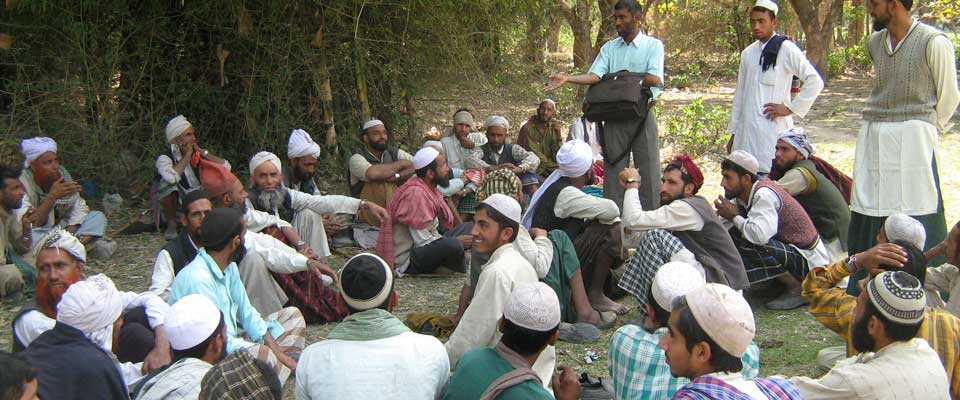
The Gram Sabha is the first formal authority in the recognition process. It can receive claims, organize a Forest Rights Committee, examine evidence, and pass a resolution. The Sub-Divisional Level Committee reviews the decision, while the District Level Committee makes the final determination under the Act.
Evidence may include government documents, forest records, maps, voter lists, ration cards, school records, old tax receipts, satellite imagery, and statements from elders or neighboring communities. The law allows different forms of evidence, so the absence of a title deed should not automatically end a legitimate claim.
Pastoral claims require careful documentation of movement. A single fixed address may not reflect a herd’s annual cycle. Communities should record grazing grounds, migration dates, halting places, water points, customary boundaries, and any restrictions or displacement experienced over time.
Building Strong Community Evidence
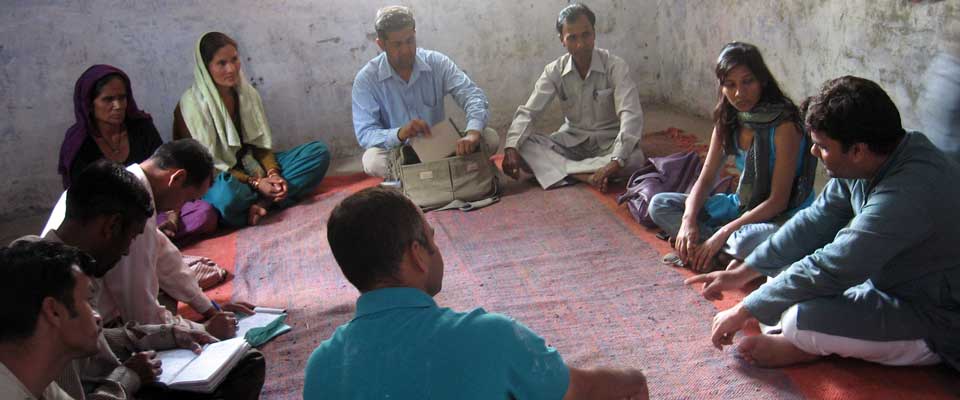
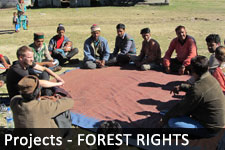
A collective process can help prevent fragmented or incomplete claims. Elders, women, herders, youth, and families with different migration patterns should all participate in mapping and verification. Women’s knowledge is particularly valuable for documenting water sources, fodder collection, household use of forest products, and seasonal settlement practices.
The Gram Sabha should keep copies of applications, maps, resolutions, hearing notices, and decisions. If a claim is rejected, the claimant should receive the reasons and information about the appeal process. Community organizations can help translate legal language, coordinate meetings, and support constructive engagement with forest and revenue officials.
Rights recognition should also be connected with local conservation planning. Communities can identify grazing pressures, fire risks, invasive plants, damaged water sources, and areas needing seasonal protection. This strengthens the case that pastoral livelihoods and forest stewardship can work together.
Responsibilities After Recognition
Forest rights carry responsibilities. Rights holders and Gram Sabhas are expected to protect wildlife, forests, biodiversity, and water sources, and to prevent practices that damage ecological balance. Local rules can establish grazing rotations, herd-management arrangements, fire prevention measures, and protection for regeneration areas.
Recognition should not be used to encourage land sales, uncontrolled extraction, or exclusion of other customary users. Transparent decisions, inclusive participation, and written community rules can reduce disputes and make local governance more accountable.
Families should also understand that recognition under the FRA is different from a general domicile certificate, a revenue title, or permission to expand cultivation. Each document serves a different legal purpose, and communities may need to pursue connected rights through other government procedures.
Practical Steps For Pastoral Communities
A careful, inclusive process can make applications clearer and improve communication with authorities.
- Hold a Gram Sabha meeting to discuss eligibility, customary use, and the rights being claimed.
- Map seasonal grazing routes, settlements, water sources, forest produce areas, and customary boundaries.
- Collect varied evidence, including oral testimony, community resolutions, public records, photographs, and historical documents.
- Record the participation and knowledge of women, elders, mobile households, and families living in remote hamlets.
- Keep copies of every claim, decision, map, notice, and appeal, and seek support from trusted rights organizations when needed.
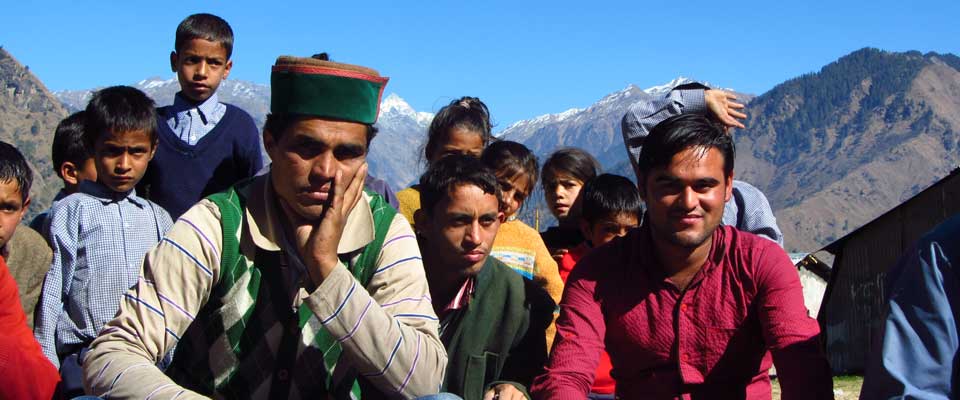
SOPHIA works with Van Gujjar and Himalayan village communities through rights-based projects, social mobilization, advocacy, and engagement with government institutions. Learning about the FRA is an important step, but collective documentation and sustained local participation are what turn legal provisions into meaningful protection.
Support community-led forest rights work by sharing reliable information, strengthening Gram Sabha participation, and partnering with organizations that respect indigenous knowledge and pastoral livelihoods. Explore SOPHIA’s work, connect with its community initiatives, and help advance secure, sustainable futures for Himalayan forest communities.