



Van Gujjar stories: ecology lessons from Himalayan pastoralists
Traditional Van Gujjar stories and their role in teaching ecology are best understood through lived experience. For generations, Van Gujjar families have moved with their buffalo between seasonal grazing areas in the Himalayan foothills, reading forests, streams, weather and animal behaviour as carefully as others read a map.
These oral traditions carry practical knowledge about sustainable pastoral livelihoods, forest stewardship and community responsibilities. For Australian audiences familiar with Caring for Country, Indigenous ranger programmes and the pressures facing rural communities, Van Gujjar storytelling offers a valuable way to understand how culture and ecological knowledge work together.
Living with forests, not apart from them
Van Gujjar communities have developed close relationships with the forests of Uttarakhand, Himachal Pradesh and Uttar Pradesh. A story about a spring, a grazing meadow or a particular tree may also explain when to travel, where animals can feed, and how to avoid damaging fragile ground.
In this way, storytelling works as an environmental memory bank. Elders pass on observations about rainfall, fodder plants, wildlife and changing seasons, while younger people learn that access to land comes with obligations. The forest is not simply a resource to be extracted; it is part of a living system that supports people, buffalo and wild species.
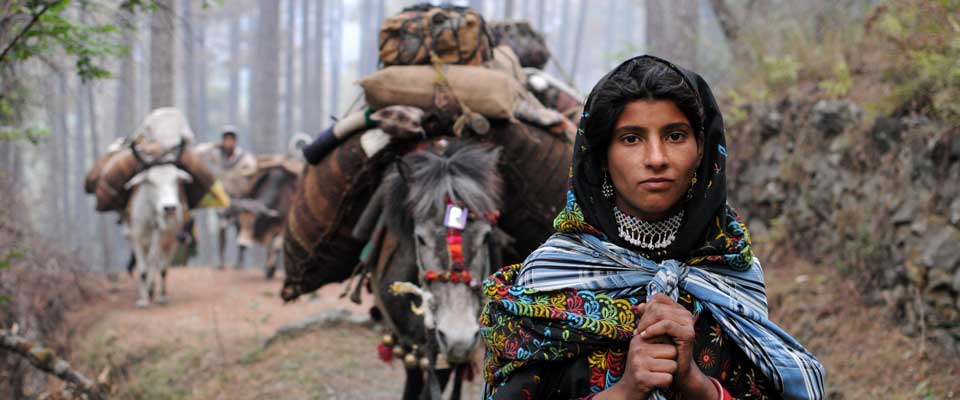
A moving classroom on the Himalayan foothills
Seasonal migration gives Van Gujjar families a detailed understanding of ecological change. As they travel, they notice when grasses emerge, how water sources behave after monsoon rains, and which routes remain safe for livestock. This knowledge is grounded in repeated observation rather than abstract theory.
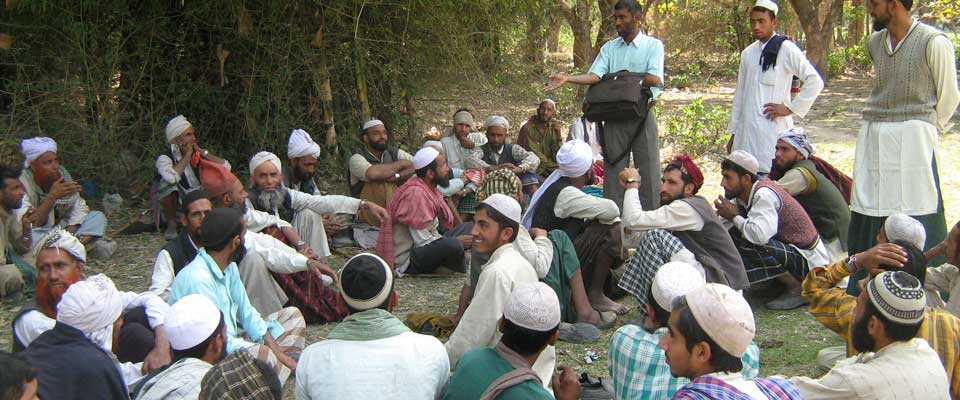
A story told beside a campfire can therefore teach geography, animal care and climate awareness at the same time. It may describe a difficult journey, a respected grazing rule or an encounter with wildlife. Such accounts help preserve knowledge that may not appear in official maps or government records.
Buffalo, grasslands and seasonal balance
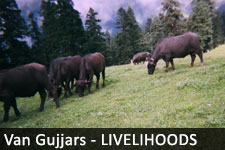
Buffalo husbandry is central to Van Gujjar life and livelihood. Stories often reflect the bond between families and their animals, including the importance of healthy fodder, clean water, shade and careful movement through forest landscapes. Milk production depends on this balance, linking ecological wellbeing directly to household income.
The lessons are relevant to debates in Australia about sustainable grazing. In the Australian Alps, pastoral communities also work within landscapes where grass growth, water availability, fire patterns and conservation needs must be considered together. The contexts are different, but both show why local knowledge matters when land management policies are designed.
Stories that carry indigenous rights
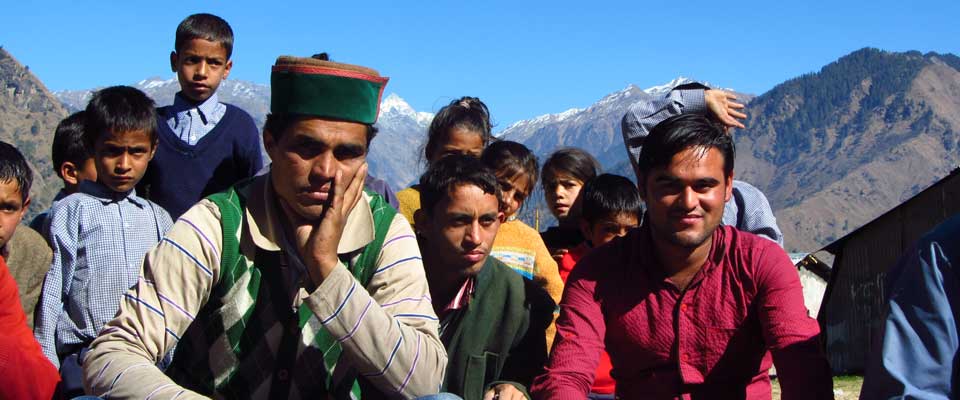
Van Gujjar narratives also preserve memory of displacement, restricted forest access and the struggle to secure recognition of traditional rights. A story about an old route may document more than family history; it can demonstrate a community’s long-standing relationship with a landscape.
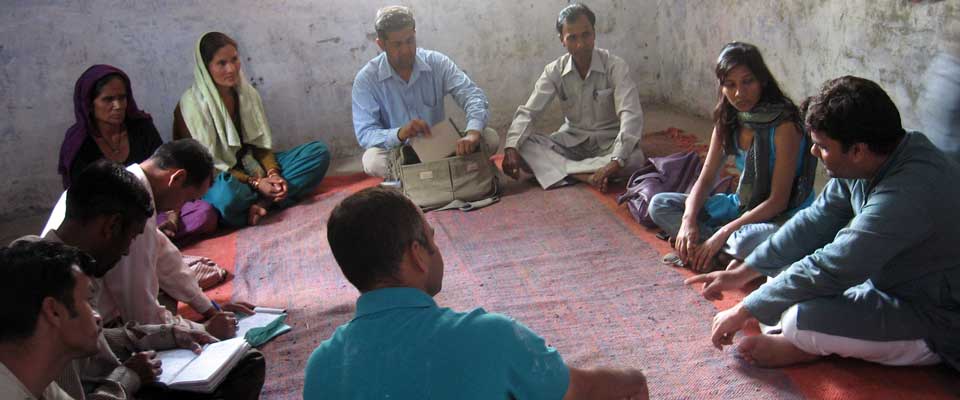
SOPHIA supports rights-based work involving forest rights, domicile rights, social mobilisation and dialogue with government. Recording and sharing community voices can strengthen advocacy, provided the process respects consent, ownership and cultural boundaries. Stories should never be treated as raw material for outsiders; they belong to the people who carry them.
Why these lessons matter in Australia
Australian readers may recognise similar questions in Kakadu, the Daintree and the Murray-Darling Basin: who has authority to care for Country, how should water be shared, and what knowledge is valued in environmental decisions? Van Gujjar experiences add a Himalayan perspective without pretending that every Indigenous or pastoral community faces identical circumstances.
The lessons also speak to Australian bushfire seasons and growing interest in ethical, traceable food. People shopping at a farmers’ market in Melbourne, Brisbane or Perth often want to know where products come from and whether producers are treated fairly. Learning about Van Gujjar milk marketing and pastoral livelihoods can connect those everyday choices with wider questions of land rights, resilience and community-led development.
Listening, learning and supporting community action
Responsible engagement begins with listening rather than collecting attractive stories. Australian supporters can follow SOPHIA’s media and project updates, share community-led work accurately, and avoid presenting Van Gujjar culture as a romantic picture of life untouched by modern pressures.
Useful ways to engage include:
- Learn about Van Gujjar forest and domicile rights before discussing conservation.
- Share SOPHIA’s community stories with proper context and consent.
- Support projects focused on buffalo health, sustainable livelihoods and milk marketing.
- Compare Himalayan pastoral knowledge with Australian Caring for Country initiatives without collapsing their differences.
- Check donation conditions carefully, including whether an Australian contribution is tax deductible.
- Choose ethical food and craft networks that value producer dignity and transparent supply chains.
For Australian NGOs, schools, researchers and community groups, partnership should be practical and long term. That may involve knowledge exchange, responsible communications, fundraising in Australian dollars, or support for training and advocacy identified by Van Gujjar communities themselves.
When a Van Gujjar elder recounts a migration route or a lesson about water, the story carries both memory and instruction. Supporting SOPHIA helps keep those voices connected to rights, livelihoods and ecological action. Explore the organisation’s projects, community work and archive, then share its work through your networks and contribute to community-led efforts that protect people, animals and Himalayan forests.