




Traditional Van Gujjar Methods for Treating Common Buffalo Ailments
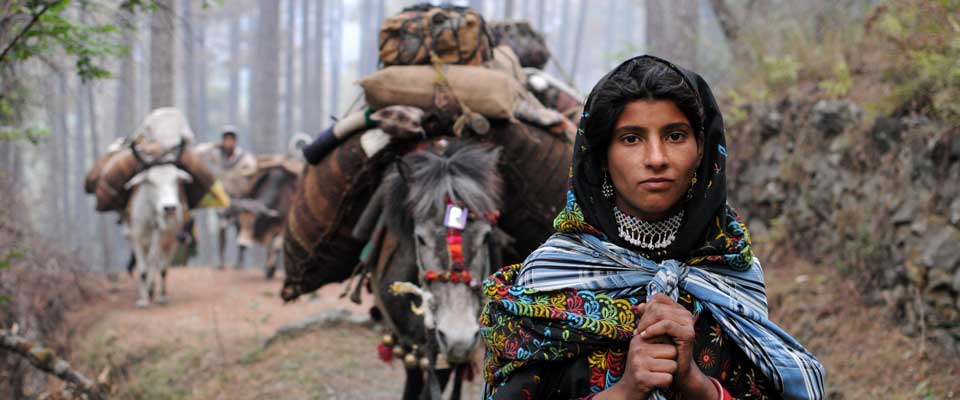
Deep in the lower Himalayas, the Van Gujjar community has tended water buffalo for generations, carrying an oral pharmacopoeia refined by constant observation. SOPHIA works alongside these pastoralists in Uttarakhand, Himachal Pradesh, and Uttar Pradesh, documenting practices that keep herds viable through harsh winters, monsoon floods, and dry summers. Their approach blends botanical knowledge, ritual, and pragmatic husbandry, offering a low-cost, locally sourced alternative when veterinary services are hours away on foot.
Across the world, interest in ethnoveterinary medicine is rising as smallholders seek resilient, affordable care. In Australia, where hobby farms and boutique dairies around Melbourne and the Southern Highlands increasingly keep small buffalo herds for mozzarella and ricotta, traditional Himalayan remedies prompt questions about what indigenous knowledge can offer. While Australian biosecurity laws strictly regulate introduced substances, the principles of observation, prevention, and plant-based care resonate with established regenerative grazing circles.
What follows is an overview of how Van Gujjars manage digestive upsets, parasites, mastitis, wounds, and seasonal threats. These methods are not replacements for veterinary diagnosis, but they illustrate how a forest-dwelling community safeguards one of its most vital assets.
A Pastoral Pharmacopoeia Rooted in the Forest
Van Gujjar healers, often the senior women of a household, identify medicinal plants by leaf shape, scent, and seasonal availability. Neem, turmeric, tulsi, garlic, and wild Himalayan herbs form the backbone of treatments. Preparations are typically simple: crushed leaves mixed with mustard oil, decoctions boiled in iron vessels, or fresh pastes applied directly to wounds. Because the community moves seasonally between alpine meadows and lower sal forests, portability matters, and a remedy that requires refrigeration has little place in a migratory camp.
This knowledge is transmitted verbally during milking, while herding, and through structured apprenticeship to younger daughters-in-law. SOPHIA's community empowerment projects have helped record these practices before they fade, partnering with elders to compile illustrated guides in Hindi and Urdu.
Treating Digestive Disorders and Bloat
Bloat and acidosis are common when buffaloes graze wet monsoon grass or stray into cultivated stubble. Van Gujjar herders prepare a fermented gruel from boiled barley, curd, and a pinch of rock salt, administered warm to stimulate rumen movement. For diarrhea, a decoction of dried pomegranate rind, ginger, and cumin is given twice daily. Turmeric paste mixed with jaggery is offered to animals recovering from dysentery, both for its antibacterial qualities and to restore appetite.
These treatments reflect a logic familiar to many Australian dairy operators, who routinely use rumen buffers and electrolyte mixes. The difference lies in sourcing: where a farmer in Gippsland might purchase a premixed sachet from an agribusiness supplier, a Van Gujjar household gathers ingredients from the forest fringe or local market.
Managing Parasites and Skin Conditions
Ticks, lice, and mites thrive in the damp buffalo wallows that are central to thermoregulation. Van Gujjars rub a paste of neem leaves and ash into the hide, an approach that both repels insects and soothes irritated skin. For ringworm and fungal patches, a mixture of turmeric and mustard oil is applied daily until hair regrows. Internal parasites are addressed with garlic-infused buttermilk, given in small doses at the start of the grazing season.
Australian hobby farmers exploring buffalo husbandry should note that the Department of Primary Industries in their state maintains strict guidelines about treating livestock with unregistered substances. Even neem oil, while familiar in many gardens around Brisbane and Perth, falls under veterinary oversight when used therapeutically on food-producing animals.
Approaches to Mastitis and Udder Health
Mastitis is one of the most economically damaging conditions in any dairy system. Van Gujjar women, who usually manage milking, detect it early by touch and temperature. The standard response involves stripping the affected quarter frequently, followed by a topical paste of crushed garlic, a Himalayan marigold akin to calendula, and a small amount of edible lime. Cold compresses using wet cloths from mountain streams reduce swelling.
In Australia, the count of somatic cells in bulk milk is monitored under state dairy regulations, and antibiotics are the typical intervention. Traditional approaches like the Van Gujjar paste can complement, but never replace, veterinary care, and any farmer considering plant-based adjuncts should consult their local agronomist and adhere to milk withholding periods.
Preventive Rituals and Seasonal Routines
Prevention shapes the Van Gujjar calendar. Before the winter migration to higher pastures, animals receive a tonic of fenugreek seeds, ajwain, and ghee, believed to build internal heat and fat reserves. During the monsoon, ash and turmeric are sprinkled at camp entrances as both an antiseptic floor treatment and a spiritual gesture. After difficult calvings, the newborn is rubbed with a mixture of mother's milk and saffron to stimulate breathing and bonding.
These rituals are inseparable from the landscape. Where Australian regenerative grazers in the Adelaide Hills might rotate paddocks based on soil moisture and lunar cycles, Van Gujjars time their migrations to the flowering of specific indicator plants that signal pasture readiness and parasite risk.
What Supporters in Australia Can Take Away
The Van Gujjar experience offers a reminder that pastoral communities everywhere are innovators rather than relics. Their methods work within ecological and economic constraints that Australian smallholders increasingly recognize, from rising chemical input costs to consumer demand for transparency.
For shoppers at farmers' markets in Sydney or Brisbane, choosing ethically sourced dairy products connects distant practices to local choices. Universities running veterinary science and anthropology programs can build student exchanges, while policy advocates can highlight how forest rights for Himalayan herders parallel land-use debates affecting Aboriginal pastoralists in northern Australia.
Practical Ways to Engage with SOPHIA's Mission
- Donate to support field documentation of oral veterinary knowledge before it is lost.
- Sponsor a training exchange between Van Gujjar elders and Australian dairy cooperatives.
- Advocate for policies that recognize indigenous pastoralists' land and forest rights.
- Share SOPHIA's media archive with university veterinary and anthropology programs.
- Volunteer translation or design skills for bilingual community materials.
- Purchase fair-trade Himalayan cheeses where available in specialty grocers.
Bring this story forward. Visit SOPHIA's website to read project updates, view the photo archive, and find ways to stand with the Van Gujjar and Himalayan village communities who keep these traditions alive.