



The Van Gujjar tradition of weaving wool and making tents
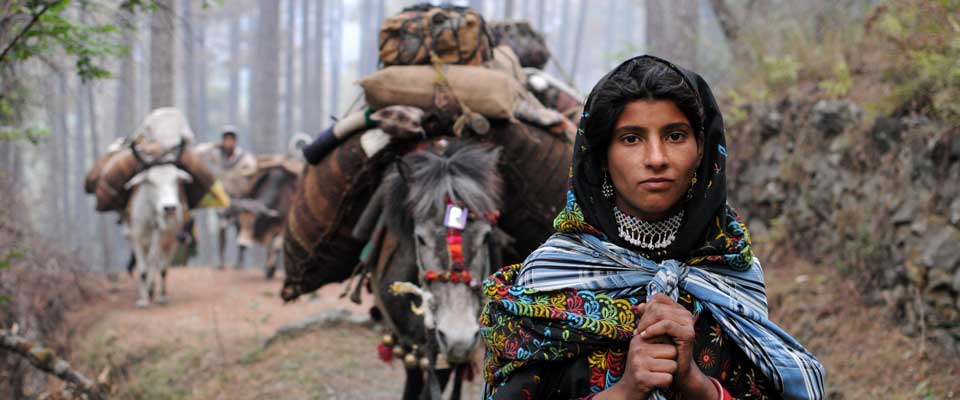
Across the Himalayan foothills, craft has long been part of pastoral life. For Van Gujjar families, practical knowledge is carried through seasonal movement, livestock care, forest use, and the making of objects suited to changing landscapes. Wool work and temporary tent-making reflect this close relationship between mobility, climate, and community life.
These skills are more than household techniques. They express resourcefulness, shared labor, and an understanding of how to live with limited materials while moving between forest settlements and seasonal grazing areas. Each woven thread and carefully tied rope can carry knowledge passed from elders to younger generations.
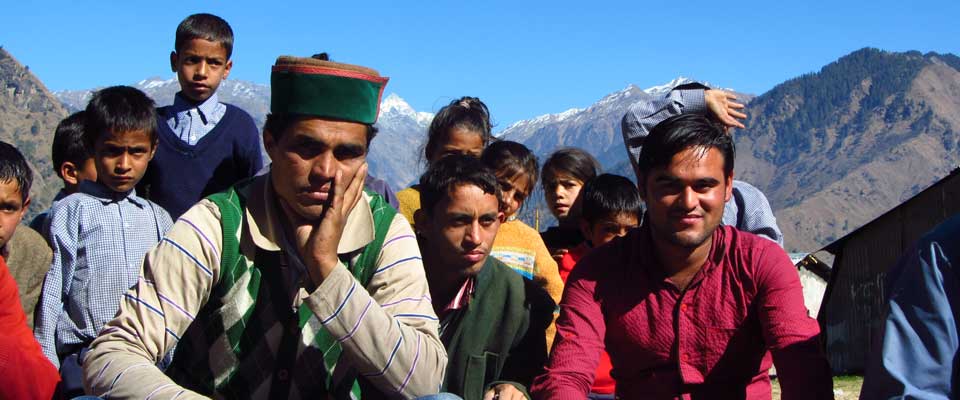
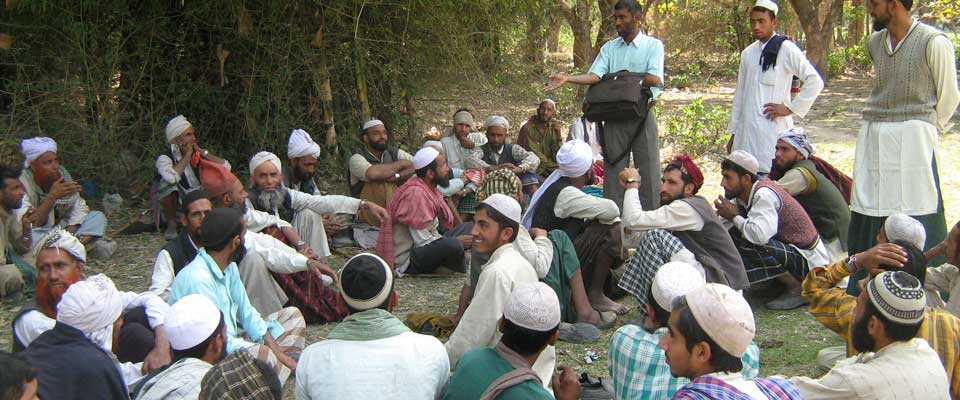
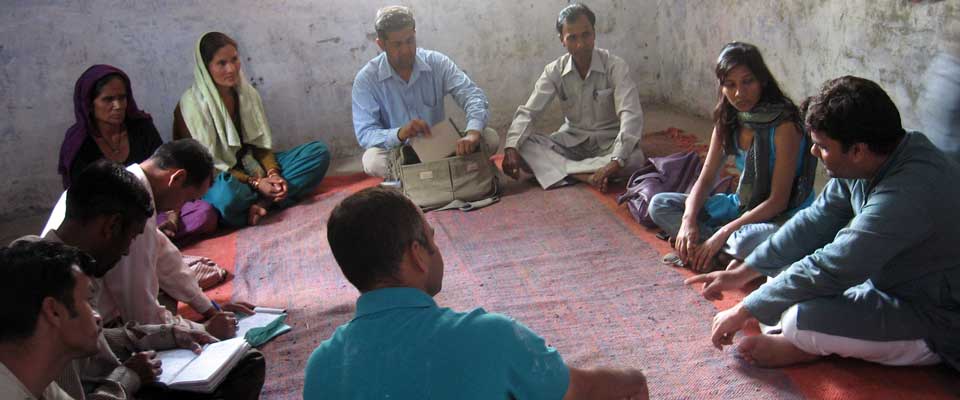
SOPHIA works with Van Gujjar and Himalayan village communities to support indigenous rights, sustainable pastoral livelihoods, and community-led development. Recognizing traditional skills helps place cultural heritage within wider conversations about dignity, livelihood security, and the right to maintain community practices.
Craft shaped by pastoral movement
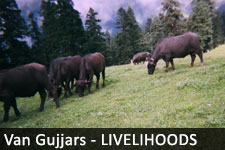
Van Gujjar pastoralism has historically been organized around buffalo husbandry and seasonal access to grazing landscapes. Movement requires belongings that are durable, repairable, and easy to transport. Woolen textiles, ropes, blankets, and tent materials answer these everyday needs.
In this setting, weaving is closely connected to household resilience. Families can turn available fibers into warm coverings, protective layers, or useful equipment. The work often depends on cooperation, with different members contributing to preparing fiber, spinning yarn, weaving cloth, stitching panels, or assembling shelters.
From raw fiber to useful cloth
Wool must be cleaned, sorted, and prepared before it can become yarn. Spinning transforms loose fiber into a continuous thread, while weaving joins threads into a stronger surface. Simple tools and hand techniques allow materials to be produced and repaired within the community.
The finished fabric may be valued for warmth, flexibility, and its ability to withstand repeated use. Natural fibers also suit cold nights and changing mountain weather. Even when manufactured blankets and synthetic fabrics are available, handmade woolen goods retain cultural and practical significance.
Building a temporary Himalayan shelter
A pastoral tent is designed for movement. Its parts need to be manageable, strong enough for wind and rain, and simple to assemble at a new camp. Woven panels or heavy cloth can be supported with poles, ropes, and carefully placed anchors.
Making a shelter involves more than sewing or weaving. Builders must understand slope, drainage, airflow, shade, and protection from cold. The arrangement of a tent can create spaces for sleeping, storing household goods, preparing food, and caring for children or animals.
| Craft element | Main purpose | Knowledge involved |
|---|---|---|
| Spun wool yarn | Weaving and stitching | Fiber preparation, tension, and durability |
| Woven wool cloth | Blankets, coverings, and tent panels | Pattern, density, and weather resistance |
| Rope and ties | Securing shelter structures | Knotting, strength, and repair |
| Poles and supports | Holding the tent in place | Balance, spacing, and site selection |
| Repaired fabric | Extending the life of household goods | Mending, reuse, and material conservation |
Seasonal knowledge in every detail
The timing of pastoral movement influences the materials and designs used in household equipment. A shelter for a colder upland camp may require heavier coverings, while a lower or warmer location may call for greater ventilation. Such choices are based on observation and experience.
This knowledge also includes reading the land. Families identify stable ground, avoid waterlogged areas, and position shelters according to prevailing wind and sunlight. These decisions show how traditional ecological knowledge supports safety and comfort without relying on complex infrastructure.
Skills shared across generations
Children often learn by watching adults prepare materials, repair cloth, and organize camp life. Instruction may be informal, taking place during daily work rather than in a classroom. Repetition builds the dexterity required for spinning, weaving, stitching, and knotting.
Women’s labor is especially important in many household craft traditions, although pastoral production depends on the contributions of the whole family. Recognizing this work makes invisible labor more visible and strengthens appreciation for the expertise held within Van Gujjar homes.
Protecting a living cultural practice
Traditional craft can face pressure when raw materials become costly, mobility is restricted, forests are harder to access, or younger people have fewer opportunities to learn. Market changes may also favor inexpensive factory-made goods over handmade products.
Cultural preservation should therefore support community choice rather than freeze traditions in the past. Documentation, fair livelihood opportunities, skills training, and respectful public awareness can help communities decide how wool work and tent-making should continue.
Ways to support community-led craft
- Support projects that protect forest, domicile, and pastoral rights.
- Promote fair markets for handmade woolen goods and related pastoral products.
- Record craft knowledge with the consent and leadership of community members.
- Encourage intergenerational workshops where elders can teach practical skills.
- Partner with organizations working on sustainable livelihoods and indigenous rights.
For SOPHIA, traditional weaving and shelter-making are part of a larger story about community strength. Supporting Van Gujjar rights, buffalo husbandry, milk marketing, and sustainable pastoral livelihoods helps create the conditions in which cultural knowledge can remain useful and respected.
Learn more about SOPHIA’s work with Van Gujjar and Himalayan communities, explore its projects and media archive, and support rights-based initiatives that place local knowledge at the center of lasting change.