



Following the Buffalo Trails Across the Himalaya
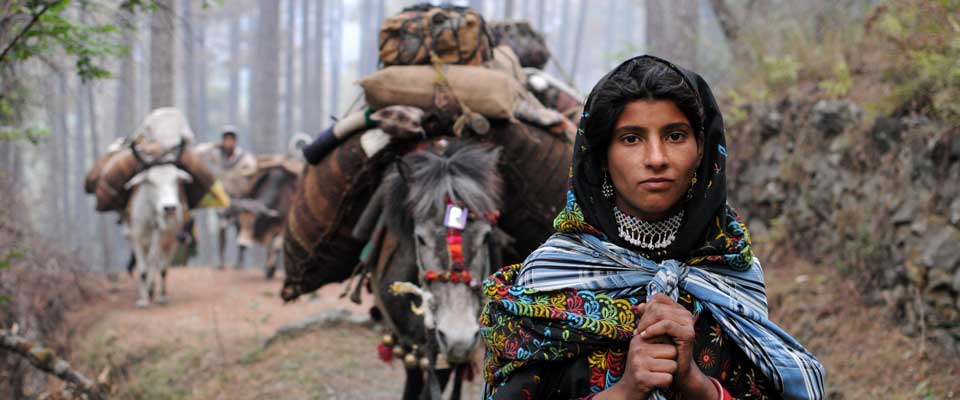
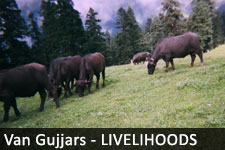
For generations, Van Gujjar families have practiced transhumance across the Himalayan foothills. Their movement is shaped by pasture, water, weather, and the needs of buffalo herds. Rather than settling permanently in one location, families follow established seasonal routes between forest settlements and higher grazing areas.
This mobile pastoral system supports household incomes, milk production, animal health, and cultural identity. It also reflects detailed ecological knowledge: families understand when grass will emerge, where water remains available, and how changing temperatures affect grazing conditions.
Today, the Van Gujjar tradition faces growing pressure from restricted forest access, infrastructure development, climate variability, and limited recognition of pastoral rights. Understanding the seasonal journey is essential to protecting both livelihoods and landscapes.
How Seasonal Movement Works
Van Gujjar migration generally follows a cycle between lower-elevation winter settlements and summer grazing grounds. During colder months, families remain in forest-edge areas where buffalo can find relatively mild conditions and accessible fodder. As temperatures rise, they begin moving toward higher valleys and mountain pastures.
The journey is carefully timed. Families may travel in stages, stopping at familiar camps along routes used by previous generations. Buffalo are central to the migration because they provide milk, manure, and economic security. Household decisions are therefore closely connected to herd size, pasture quality, water availability, and the ability of children and older people to travel safely.
Routes Shaped By Land And Weather
Seasonal corridors extend through parts of Uttarakhand and connect forest foothills with higher Himalayan landscapes. Some communities also maintain routes linked to neighboring areas of Himachal Pradesh and Uttar Pradesh. These paths are not simply lines on a map; they include resting places, water sources, grazing commons, and customary camping areas.
Monsoon conditions can transform the route. Heavy rainfall may damage paths, trigger landslides, or isolate settlements. In dry periods, springs and streams become less reliable. Families must adjust their pace and destination while protecting buffalo from heat, disease, and exhaustion.
Why Mobility Matters
Pastoral mobility allows grasslands and forest edges to recover through seasonal use. It also reduces pressure on a single grazing area and helps families make use of different ecological zones throughout the year. Milk sales, especially when linked to local markets, provide a vital source of cash income.
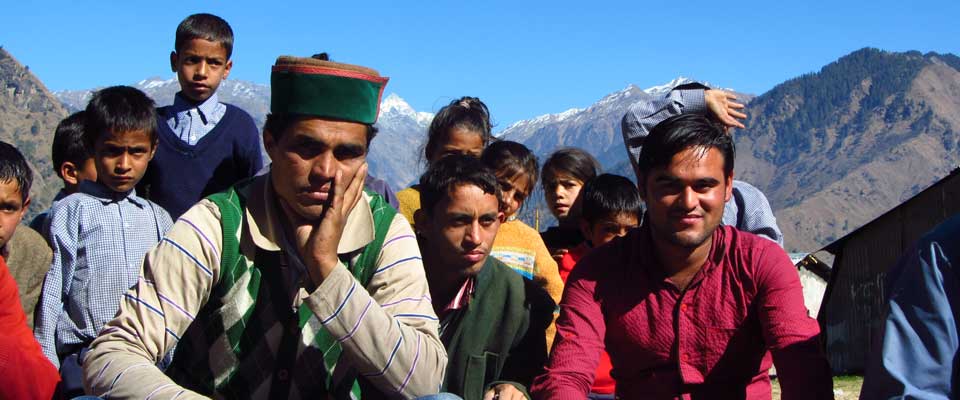
The tradition carries social knowledge as well. Skills in buffalo husbandry, herbal care, weather reading, camp construction, and route planning are passed between generations. Women often play a major role in milking, processing, household management, and caring for animals during migration.
| Seasonal period | Typical landscape | Main livelihood priorities | Common pressures |
|---|---|---|---|
| Winter | Lower forest edges and foothills | Shelter, fodder, milk production | Access restrictions, cold nights |
| Spring | Transitional slopes and valleys | Herd movement, fresh grazing | Uncertain weather, water shortages |
| Summer | Higher pastures and mountain areas | Grazing, animal health, dairy work | Landslides, limited services |
| Monsoon return | Descending routes and forest settlements | Safe travel, rebuilding camps | Flooding, damaged paths |
Barriers To A Traditional Livelihood
Forest regulations and conservation measures can limit access to customary grazing and settlement areas. When pastoral families lack secure forest and domicile rights, they may face eviction threats, fines, or uncertainty about where they can legally camp. This insecurity makes long-term planning difficult.
Public services are another challenge. Schools, healthcare, veterinary support, roads, and ration access are often designed for settled populations. A mobile family may struggle to keep children enrolled or obtain timely treatment for a sick buffalo. Limited access to fair milk markets can also reduce the value of their work.
Digital financial literacy has become relevant as families increasingly interact with online services and payment systems. Clear guidance helps communities distinguish reliable information from risky promotions, including material about online bonus offers, while protecting personal data and household income.
Climate Change And New Uncertainty
Climate change is altering the timing and reliability of transhumance. Earlier springs, irregular rainfall, warmer winters, and prolonged dry spells can change the availability of grass and water. These shifts may force families to leave later, move sooner, or spend more money purchasing fodder.
Animal health risks can also increase when buffalo experience heat stress, poor nutrition, or long journeys over difficult terrain. Veterinary camps, mobile clinics, vaccination services, and locally appropriate fodder support can reduce losses without undermining pastoral independence.
Practical Ways To Support Mobility
Rights-based development should strengthen the system rather than replace it with permanent settlement. Effective support can include:
- Recognizing customary forest access, grazing corridors, and domicile rights through participatory mapping.
- Creating mobile veterinary and animal vaccination services along seasonal routes.
- Improving fair milk collection, storage, transport, and local processing facilities.
- Providing flexible education and healthcare options for mobile households.
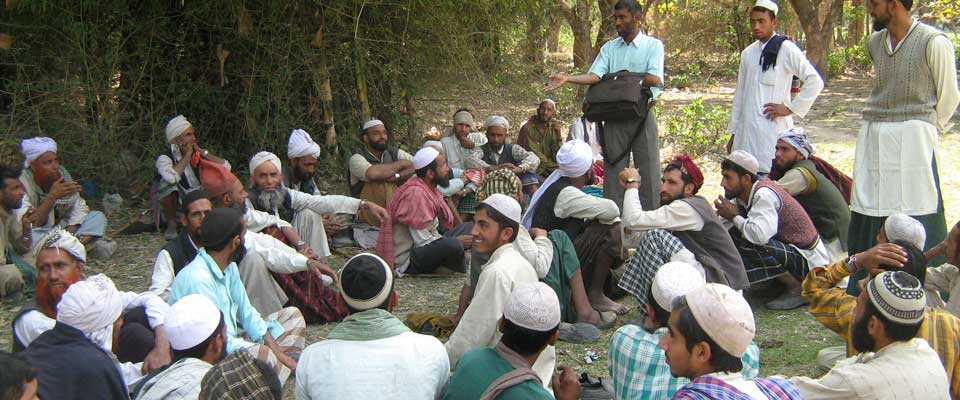
- Including Van Gujjar representatives in forest management and government planning.
Protecting The Routes And The Future
The Van Gujjar seasonal journey is a living system of livelihood, culture, and environmental knowledge. Its future depends on secure rights, respectful government engagement, stronger milk markets, and services that reflect mobility rather than penalize it.
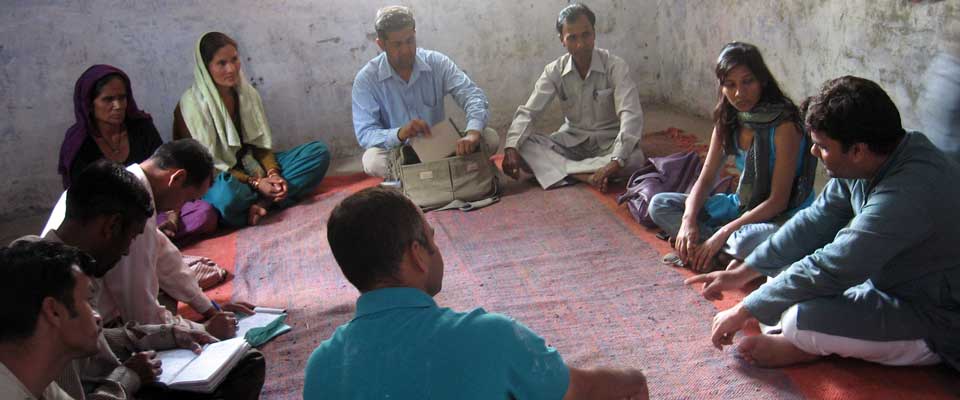
Organizations such as SOPHIA work with communities through social mobilization, advocacy, buffalo husbandry support, and partnerships that connect local priorities with public institutions. Readers can support this work by learning about indigenous pastoral rights, sharing accurate information, strengthening responsible partnerships, and helping ensure that Van Gujjar families remain decision-makers in the future of their ancestral routes.