




Buffalo calf gifting among Van Gujjars: a festival tradition rooted in the Himalayas
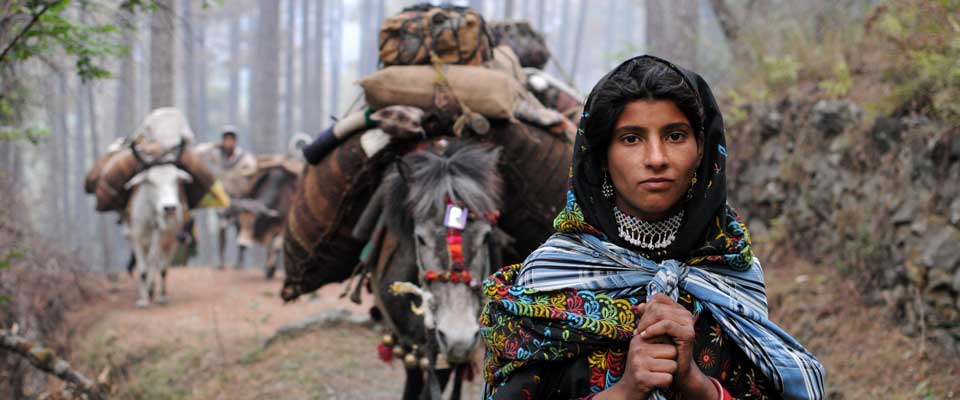
In the lower Himalayan foothills, where pine forests meet open grazing meadows, the Van Gujjar community observes centuries-old customs that bind families and neighbours together. One practice involves the ceremonial gifting of buffalo calves during festivals, a gesture that carries spiritual meaning and practical value. For visitors tracing the cultural heritage of South Asia, this tradition offers a window into how nomadic pastoralists maintain social cohesion through livestock exchange.
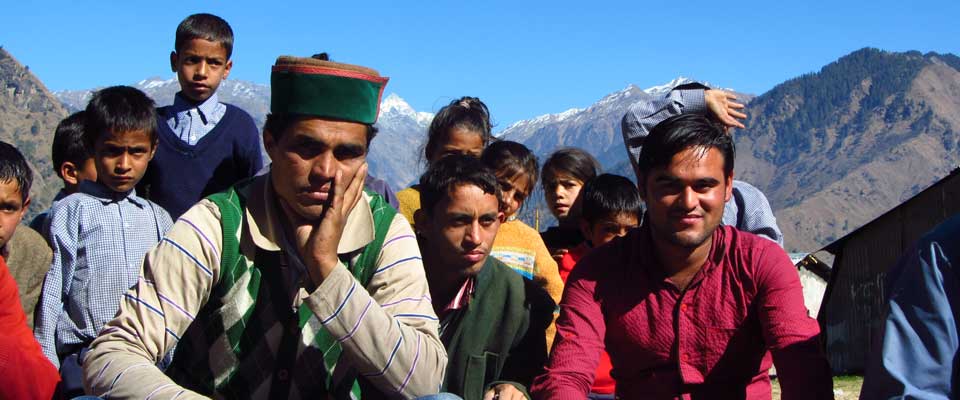
The custom intersects with themes of sustainable pastoralism, forest rights, and community resilience, areas where SOPHIA works alongside Van Gujjars across Uttarakhand, Himachal Pradesh, and Uttar Pradesh. Understanding these rituals helps outsiders appreciate why organisations advocate for the protection of indigenous livelihoods against displacement and environmental change.
Origins of the festival custom
Buffalo hold a central place in Van Gujjar life, providing milk, ghee, and draft power while serving as portable wealth for a community that moves seasonally between pastures. Gifting a calf during a festival reinforces the symbolic link between prosperity and livestock, treating the animal not as mere property but as a vessel of blessing. Elders recall that the practice predates written records, preserved through oral tradition.
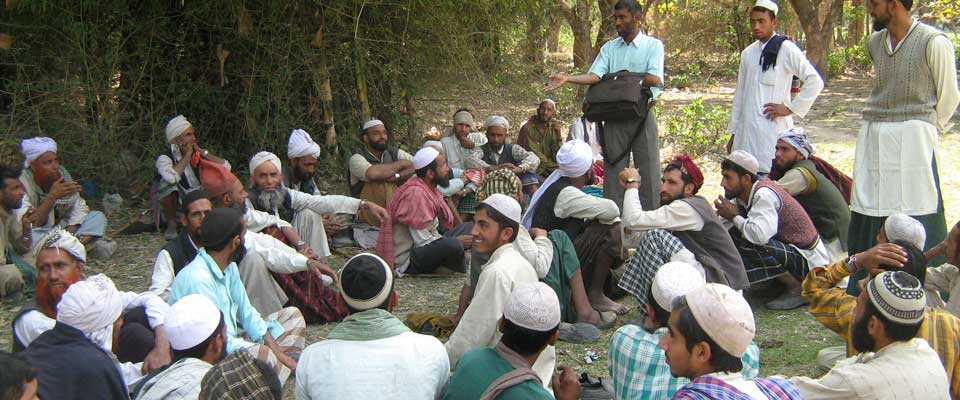
The exchange typically aligns with major celebrations such as Eid, local forest gatherings, or rites marking seasonal migration. A family receiving a calf is believed to gain spiritual merit, while the gifting family demonstrates generosity and secures social standing. Researchers studying pastoral societies have noted parallels in nomadic communities from Central Asia to the Mediterranean, where livestock exchange cements alliances.
Animals at the heart of the ritual
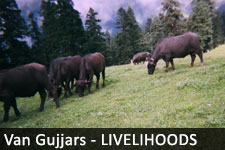
The choice of buffalo calf rather than a mature animal reflects practical wisdom. A young calf represents potential, mirroring the hopes a family places in its future herd. Van Gujjars typically select healthy female calves, as these contribute directly to milk yields that sustain the household economy. The animal is often decorated with bright cloth or garlands before the handover, transforming a simple transaction into a vivid community moment.
In contemporary Australia, buffalo husbandry has carved out a niche, with farms from the Top End of the Northern Territory down to Victoria supplying specialty cheese and mozzarella to cities such as Melbourne and Brisbane. Though scales differ vastly from Himalayan pastoralism, Australian buffalo producers similarly prize strong bloodlines and recognise that a single healthy calf can transform a small operation. This shared appreciation for livestock value underscores how animal husbandry connects cultures across continents.
Social bonds and reciprocity
Beyond the religious dimension, gifting buffalo calves functions as a sophisticated system of social insurance. Families in need can call upon neighbours who received calves in past years, drawing on a network of obligation that strengthens communal resilience. The practice echoes gift economies documented in other pastoral societies, where the flow of goods circulates prestige and mutual support over decades.
Australian readers familiar with country agricultural societies, from the Royal Easter Show in Sydney to field days in regional Queensland, will recognise similar mechanisms of rural reciprocity. Showing prized cattle brings honour and opens doors to mentorship and breeding exchanges. Both traditions reveal how livestock become conduits for human connection and shared prosperity.
Gender, ceremony, and family roles
Within Van Gujjar communities, the gifting of a calf often involves specific family members according to age, gender, and status. Women frequently lead in selecting and preparing the animal, while elders officiate the handover with prayers and small offerings of milk. Children participate as witnesses, absorbing rituals they will later perform.
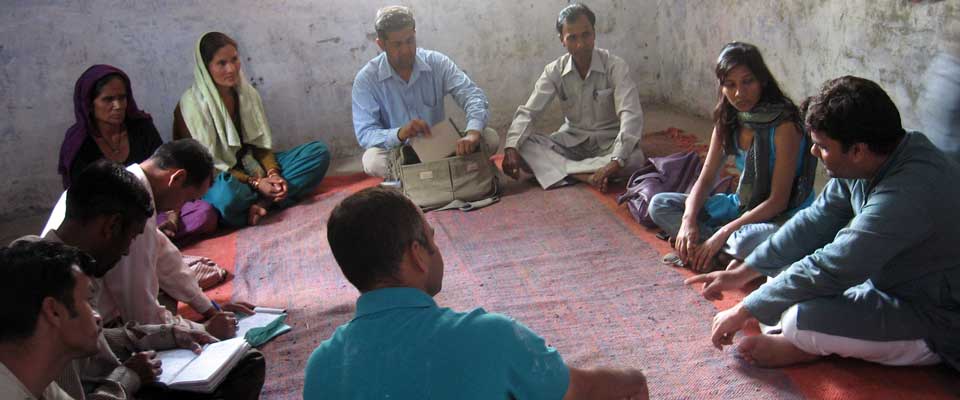
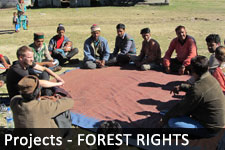
This layered participation ensures the tradition survives even as younger Van Gujjars navigate schooling, urban migration, and competing livelihoods. SOPHIA's programmes support such continuity through advocacy for forest rights and domicile certificates. Their work shows how cultural practices and legal recognition sustain a way of life.
The festival calendar across the year
The exchange of calves slots into a wider cycle of occasions that mark the Van Gujjar year. Eid al-Fitr and Eid al-Adha often anchor the calendar, alongside harvest gatherings when buffaloes return from high meadows. Smaller ceremonies mark births, marriages, and new forest shelters, each strengthening kin ties.
Australian pastoralists observe their own rhythm through events such as the Royal Melbourne Show and regional cattle competitions around towns like Wodonga. These gatherings similarly punctuate the year with moments of display, trade, and storytelling. Both communities structure the seasons around livestock and the social life that grows with them.
Challenges from modern pressures
The practice now faces headwinds from road construction, tourism development, and restrictions on grazing access in protected forest areas. As pastureland shrinks, some families can no longer afford to part with young animals, weakening the cycle of ceremonial exchange. Climate variability has also altered the timing of seasonal migration, disrupting the festival calendar.
Australian parallels emerge in the Murray-Darling region, where dairy and buffalo farmers contend with water allocation rules and shifting rainfall. Producers around Echuca or Albury have watched small herds consolidate, mirroring how Himalayan pastoralists adapt to shrinking commons. Both show how environmental policy and traditional livelihoods must negotiate shared ground.
Supporting the Van Gujjar future
Preserving the buffalo calf gifting tradition requires more than documentation. It demands that Van Gujjars retain control over their grazing routes, that young couples receive support to keep their herds viable, and that government schemes recognise the unique needs of mobile pastoralists. Conservation initiatives that ignore indigenous land use risk erasing customs that have sustained forests and herders for generations.
For Australians drawn to ethical consumption and fair trade, backing organisations that work alongside forest-dwelling communities offers a meaningful way to engage. Whether sourcing ghee from cooperatives, volunteering skills, or simply learning more, every gesture sustains traditions like this calf exchange.
Visit SOPHIA's website to explore projects with Van Gujjar communities and discover ways to support indigenous Himalayan livelihoods through donations, partnerships, or fieldwork placements.