



The Van Gujjar Knowledge of Wild Edible Plants
For Van Gujjar families, forests are more than grazing grounds. They are seasonal sources of food, medicine, fodder, fuel, and cultural memory. Knowledge of wild edible plants has developed through close observation of forests, grasslands, riverbanks, and mountain paths across generations.
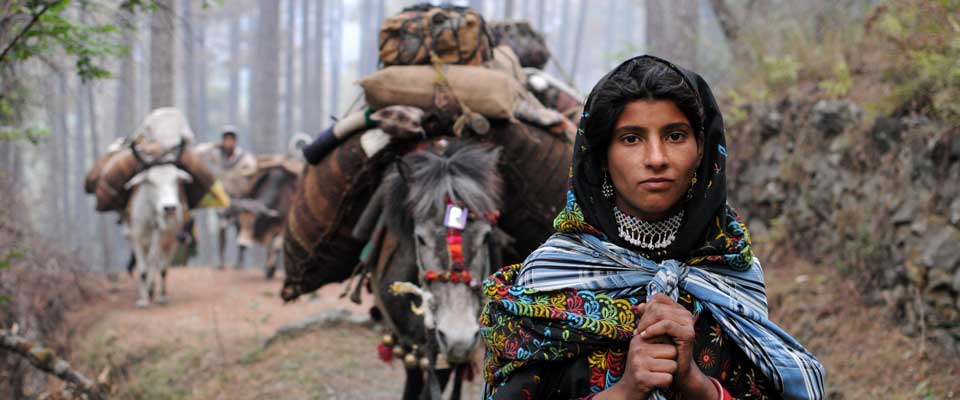
This living tradition reflects mobility and adaptation. Families moving with buffalo herds understand when tender shoots appear, which leaves remain edible after flowering, and how weather changes affect plant availability. Their knowledge connects nutrition with pastoral livelihoods and responsible use of common landscapes.
Wild greens and forest fruits can supplement household diets, particularly when market access is limited or seasonal work makes regular shopping difficult. Recording this knowledge, however, must be done with consent and with respect for community ownership.
A seasonal food map shaped by movement
Van Gujjar plant knowledge follows the rhythm of the year. Spring may bring young leaves and shoots, while the monsoon encourages the growth of ferns, herbs, and edible greens. Autumn and winter offer different roots, seeds, fruits, and dried plant stores.
The same plant may be harvested at different stages depending on its use. Tender leaves are often preferred for cooking, while mature plants may be collected for fodder or household remedies. Families also recognize areas where harvesting should be limited so that plants can regenerate.
Mobility strengthens this detailed understanding. Routes between forest settlements, seasonal camps, and grazing areas become practical maps of edible biodiversity. Elder family members often teach children through gathering, preparation, and shared meals.
Plants, preparation, and local safety
Commonly recognized Himalayan and north Indian wild foods can include nettle or kandali, bathua, fiddlehead fern, wild berries, edible tubers, and various leafy herbs. Names and uses differ between communities and regions, so local identification is essential. A plant that is edible in one preparation may be unsafe when raw or immature.
Cooking methods help reduce bitterness, soften fibrous leaves, and improve digestibility. Greens may be washed, blanched, chopped, and cooked with spices, while some fruits are eaten fresh or preserved. Drying is another important method, allowing seasonal harvests to support households beyond the period of abundance.
This knowledge should never be converted into a generalized foraging guide. Plant identification can be difficult, and pollution, pesticides, roadside contamination, or changing habitats may create risks. Community elders and trained local practitioners should guide any documentation or educational work.
What this knowledge reveals
| Knowledge area | What it includes | Why it matters |
|---|---|---|
| Seasonal timing | When leaves, shoots, fruits, and roots are available | Supports food planning and conservation |
| Plant identification | Local names, habitat signs, growth stages, and look-alikes | Reduces the risk of harmful collection |
| Preparation | Washing, boiling, cooking, drying, or preserving | Improves safety, taste, and storage |
| Landscape care | Rules about quantity, location, and regeneration | Protects shared forest resources |
| Cultural transmission | Learning through elders, gathering, and meals | Keeps community memory active |
| Household nutrition | Supplementary greens, fruits, and wild foods | Diversifies diets and reduces dependence on markets |
Ecological knowledge and forest rights
The ability to identify edible plants is closely connected with access to forests. When customary movement is restricted, families may lose the places where they gather food and teach younger generations. Forest rights and domicile rights therefore have practical importance for food security and cultural continuity.
Van Gujjar communities also observe ecological change through everyday experience. Shifts in rainfall, invasive plants, altered grazing areas, forest fires, and road construction can affect when and where edible species grow. Their observations offer valuable evidence for conservation planning grounded in local realities.
Rights-based organizations can help ensure that such knowledge is recognized without extracting it from the people who maintain it. SOPHIA’s community-led work with Van Gujjar and Himalayan village communities connects social mobilization, indigenous rights, and sustainable livelihoods.
Keeping knowledge in community hands
Documentation can support cultural education when communities decide what should be recorded, who may access it, and how it may be shared. Local plant registers, audio histories, school activities, and intergenerational cooking sessions can preserve vocabulary and seasonal practices without treating knowledge as a commercial resource.
Young people can play a central role by combining family teaching with photographs, maps, and careful field notes. Elders should remain recognized knowledge holders, while women’s expertise must receive particular attention because women often manage gathering, food preparation, preservation, and household nutrition.
Any research partnership should establish clear consent, attribution, and benefit-sharing arrangements. Sensitive locations, rare species, and sacred uses may need to remain private. Preservation is strongest when it reinforces community authority rather than replacing it.
Supporting sustainable gathering
Wild edible plants can contribute to resilient pastoral livelihoods, but collection must remain within ecological limits. Harvesting roots or whole plants may damage regeneration, while repeated removal of young shoots can reduce future growth. Rotating collection areas and leaving enough plants to flower and seed are simple but important practices.
Local conservation rules can work alongside government forest management when authorities recognize community experience. Training in safe identification, nutrition, seed saving, and habitat restoration can strengthen food security while protecting biodiversity.
Community members, researchers, educators, and supporters can contribute by:
- Respecting Van Gujjar ownership of traditional ecological knowledge
- Supporting forest and domicile rights through informed advocacy
- Funding community-controlled documentation and local language materials
- Promoting sustainable harvesting and restoration of native edible species
- Creating fair partnerships for research, education, and livelihood development
Protecting wild food knowledge means protecting the landscapes, rights, and relationships that make that knowledge possible. Support organizations working with Van Gujjar communities, share accurate information responsibly, and help create space for elders and young people to carry this heritage forward.