



Plant-Based Colouring Traditions Among Van Gujjar Communities
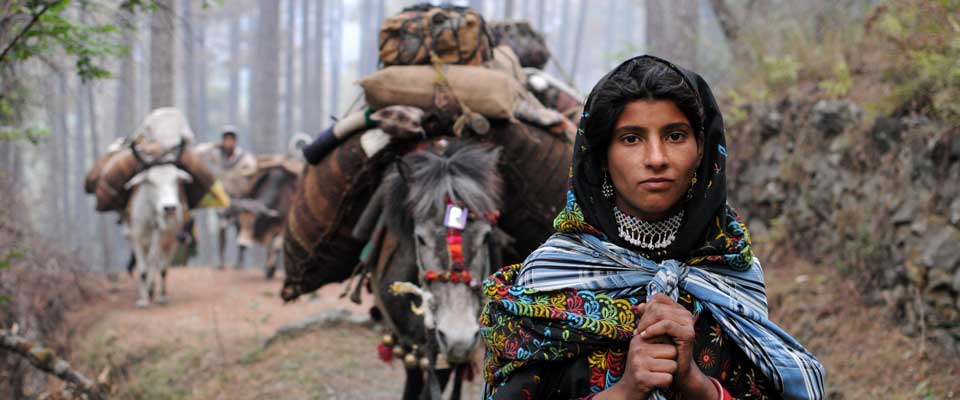
For Van Gujjar families moving through the forests and foothills of northern India, wool and cotton are practical materials connected to pastoral life, household work and local identity. Colour can come from plants gathered carefully, prepared with water and heat, and fixed with natural mordants such as alum, iron-rich mud or wood ash.
These methods hold value beyond the finished cloth. They preserve ecological knowledge, encourage low-waste production and show how indigenous communities have adapted to seasonal landscapes. For Australian readers interested in ethical textiles, natural dyes and Indigenous-led development, Van Gujjar dyeing traditions offer a meaningful view of craft, livelihood and environmental responsibility.
Plants, Landscapes And Colour Knowledge
The availability of dye plants changes with altitude, rainfall, forest access and seasonal migration routes. Van Gujjars may use materials available through household gardens, forest margins or local exchange networks rather than relying on a single fixed recipe. The colour produced also depends on the plant part: bark, leaf, root, fruit husk, flower or seed.
Walnut husks are known across Himalayan regions for producing warm browns and deep tan shades. Pomegranate rind can create yellow to ochre tones, while turmeric gives a bright yellow that may fade with sunlight. Himalayan rhubarb and other locally available plants can provide yellow, rust or reddish hues, although results differ according to soil, water quality and preparation.
Preparing Wool And Cotton
Wool generally accepts plant colour more readily than cotton because its protein fibres bond well with many natural dye compounds. Cleaned wool may be soaked in a mordant bath before being simmered with prepared plant material. The length of heating and the concentration of the dye bath influence whether the final shade is pale, earthy or intense.
Cotton is a cellulose fibre and often needs more preparation. Washing, scouring and mordanting help the colour penetrate the yarn or fabric. A repeated dye bath can deepen the result, while iron may shift browns and yellows towards grey, olive or charcoal. These processes rely on observation and experience, with makers judging colour by sight, touch and the behaviour of the fibre.
Sustainable Use And Community Rights
Plant dyeing can support a careful relationship with forests when leaves, fallen bark, fruit skins and other renewable materials are prioritised. Harvesting roots or stripping living trees can damage slow-growing plants, so community knowledge is important in deciding what can be collected, when it can be collected and how much should be left behind.
For Van Gujjar communities, access to forests is closely connected with pastoral mobility, buffalo husbandry and cultural continuity. Rights-based work must therefore recognise that conservation is strongest when forest-dependent people participate in decisions. Protecting customary knowledge also means ensuring that outside organisations do not commercialise recipes or plant resources without consent and fair benefit-sharing.
Relevance For Australian Textile Buyers
Interest in natural fibres is visible in Australian cities such as Melbourne, Sydney and Brisbane, where shoppers often encounter small-batch clothing, handmade yarns and ethical goods at weekend craft or farmers’ markets. Many consumers also value practical habits such as buying fewer garments, repairing woollens and choosing products with clear information about fibre origin and production.
Australian buyers should distinguish between “plant dyed”, “natural”, “organic” and “sustainably sourced”, as these terms do not mean the same thing. Under the Australian Consumer Law, environmental and ethical claims must not mislead consumers. Country-of-origin information may also be required for covered goods, while imported plant matter is subject to strict biosecurity controls under Australia’s biosecurity framework. Finished textiles and packaged products should be checked before purchase or import.
Ways To Support Responsible Craft
SOPHIA’s community-centred approach places local leadership, indigenous rights and sustainable livelihoods at the heart of development. Support for natural dyeing is most useful when it strengthens community priorities rather than treating a living tradition as a decorative trend.
For Australian organisations, designers and individual supporters, practical engagement can include:
- Buy from projects that identify the artisan group, fibre source and dyeing process.
- Ask whether plant materials are harvested sustainably and with community permission.
- Prefer durable wool and cotton products that can be repaired and used for many years.
- Avoid bringing untreated seeds, bark, leaves or other plant material into Australia.
- Check environmental and cultural claims before using them in marketing or retail.
- Support partnerships that return income, skills and decision-making power to Van Gujjar communities.
Learning about the people behind a textile is as important as appreciating its colour. A naturally dyed scarf or yarn should represent fair exchange, accurate storytelling and respect for knowledge holders, rather than simply a fashionable “earth-toned” aesthetic.
Supporting SOPHIA helps connect community rights, forest stewardship and sustainable pastoral livelihoods. Explore the organisation’s projects, media archive and partnership opportunities, and share the value of Van Gujjar knowledge through responsible purchasing and informed advocacy.