



Reading weather and forage through living knowledge
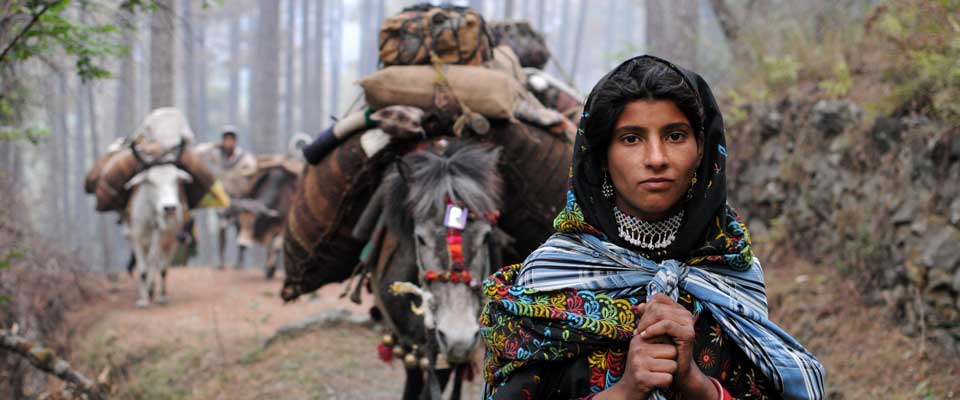
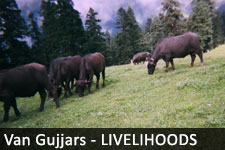
Across the Himalayan foothills, weather is read as a pattern rather than a single forecast. Van Gujjar pastoralists observe cloud movement, wind, insects, plant growth, animal behaviour and the condition of water sources. These signs guide decisions about when to move buffalo, where to graze and how to protect animals from sudden cold, rain or heat.
This knowledge is built through repeated attention to place. It connects seasonal memory with practical action: a particular grass appearing on a slope, a stream becoming cloudy, or buffalo changing their feeding habits can signal a shift in local conditions. Such observations may be highly specific to one valley and cannot be separated from the community’s relationship with forests, routes and customary grazing areas.
For Australian readers, the principle is familiar. Many people check a Bureau of Meteorology app before a trip, a day of farm work or a weekend bushwalk, while Aboriginal and Torres Strait Islander communities maintain seasonal calendars based on plants, animals, weather and cultural responsibilities. Both approaches show that useful forecasting begins with careful observation, although Indigenous knowledge carries its own laws, histories and custodial obligations.
SOPHIA works with Van Gujjar and Himalayan village communities to value this expertise alongside rights-based development, sustainable pastoral livelihoods and engagement with government. Recording local indicators can strengthen community voice, provided the process protects ownership, respects cultural boundaries and supports the people who hold the knowledge.
Weather signs are read as connected systems
Indigenous forecasting rarely depends on one isolated signal. The timing of rain may be considered alongside wind direction, cloud shape, humidity, insect activity, the flowering of particular plants and the behaviour of buffalo. When several signs appear together, pastoralists can form a stronger judgement about whether to remain in an area or seek safer pasture.
Forage prediction follows the same logic. A green flush after early rain may offer short-term grazing, while a dry spell can reduce both grass quality and water availability. Experienced herders distinguish between plants that sustain buffalo, species that indicate soil moisture and vegetation that may be harmful at a particular stage of growth.
Animals and plants act as local indicators
In Australia, seasonal calendars developed by Aboriginal groups similarly link ecological events rather than treating weather as a separate subject. Their observations may identify when fish move, flowers appear, insects emerge or particular winds arrive. These systems differ across Country, just as Himalayan knowledge differs between forests, valleys and pastoral routes.
Useful observations may include:
- Buffalo feeding higher or lower on a slope than usual
- Changes in bird calls, insect numbers or animal movement
- New leaves, flowering, seed formation and grass colour
- Cloud build-up, wind shifts and the smell or flow of water
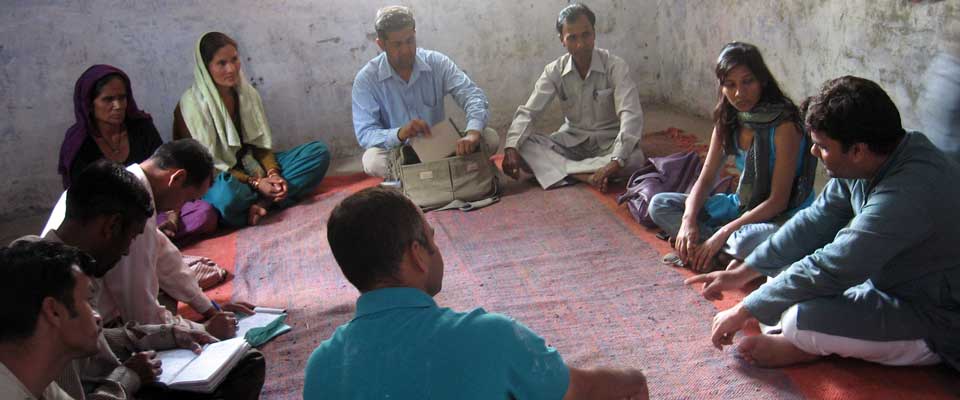
These indicators are most valuable when they are recorded over time and discussed by several knowledge holders. A single unusual event can mislead; a recurring relationship between signs and outcomes can become a dependable guide for local planning.
Knowledge becomes stronger when communities share decisions
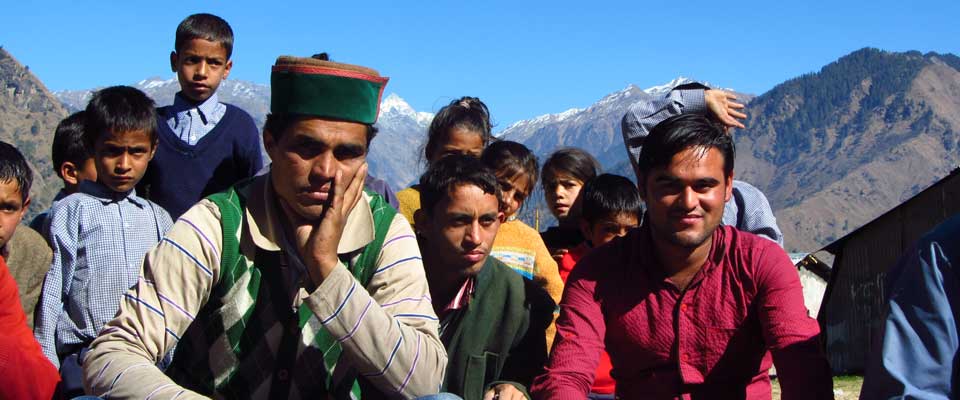
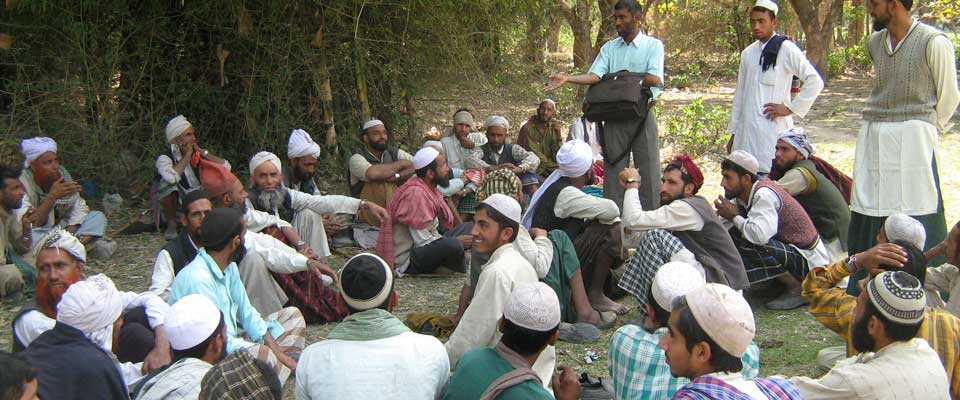
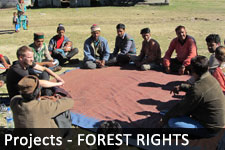
Pastoral knowledge is practical because it is used collectively. Families may discuss grazing pressure, water points, animal health and the safety of travel before changing a route. Elders and experienced herders contribute memory, while younger people may use phones, photographs or mapping tools to record changes.
This combination is relevant in Australia, where farmers and rangers may compare local observations with Bureau of Meteorology warnings, fire danger ratings and seasonal outlooks. Checking a forecast before driving between Melbourne and regional Victoria, delaying work during extreme heat or adjusting a school sports plan shows how formal information and lived observation can work together.
Community monitoring can support decisions such as:
- Moving buffalo before a dangerous weather change
- Protecting recovering pasture from excessive grazing
- Preparing fodder, shelter and veterinary supplies
- Reporting changes in springs, grasslands and forest access
- Sharing seasonal information through village meetings
The purpose is not to turn cultural knowledge into a simple database. It is to make community experience visible in planning while leaving authority with the people who have inherited, practised and safeguarded that knowledge.
Rights shape access to pasture and water
Weather and forage cannot be separated from land rights. If a community loses access to a forest route, seasonal pasture or water source, its ability to respond to changing conditions is weakened. For Van Gujjar families, forest and domicile rights, secure movement and recognition of pastoral livelihoods are therefore connected to resilience.
Australian policy provides a useful point of comparison without making the systems identical. The Native Title Act 1993 recognises certain rights and interests connected to traditional laws and customs, while the Environment Protection and Biodiversity Conservation Act 1999 regulates matters of national environmental significance. Local land access can also involve parks rules, pastoral leases, state legislation and agreements with land managers.
Rights-based work should ask who controls information, who benefits from research and whether a project improves practical security. Consent, attribution and fair partnerships matter when outside organisations document seasonal indicators or use them in environmental programs.
Climate change makes local memory increasingly important
Rainfall patterns, heatwaves, wildfire conditions and pasture growth are becoming harder to predict in many regions. Australian communities may face prolonged drought, sudden flooding or dangerous fire weather, while Himalayan pastoralists encounter changing snowfall, irregular monsoons and pressure on springs and grazing areas.
Long-term local memory can reveal changes that short datasets miss. It can also identify which coping strategies have worked before, such as conserving fodder, shifting grazing timing or protecting specific water sources. Scientific forecasts add valuable regional information, but they do not replace knowledge of a particular hillside, forest track or animal herd.
SOPHIA’s work can help create respectful spaces where community observations inform advocacy, government engagement and partnerships with other organisations. The strongest collaborations treat Van Gujjar and village knowledge holders as decision-makers, not as sources of raw information.
Learning across places requires respect
Australian readers can learn from the method of close observation without copying cultural practices or presenting one Himalayan system as universal. Aboriginal and Torres Strait Islander knowledge must likewise be approached through the authority of the relevant community and Traditional Owners. Country, language, law and seasonal indicators vary widely.
Everyday actions can support this respect: buying locally produced food when possible, recognising Traditional Owners, following access rules on Country and paying attention to seasonal conditions before travelling. Farmers’ markets, regional food networks and responsible dairy purchasing can also reinforce interest in the landscapes that sustain food production.
SOPHIA’s community-centred approach shows that forecasting is more than predicting rain. It is about relationships among people, animals, plants, weather and rights. Supporting this work helps protect living knowledge and the pastoral livelihoods that depend on healthy, accessible landscapes.
Learn more about SOPHIA’s work with Van Gujjar and Himalayan communities, explore its projects and media archive, and support partnerships that place indigenous knowledge, community rights and sustainable pastoral futures at the centre of action.