





Buffalo hide traditions, pastoral skill and sustainable livelihoods
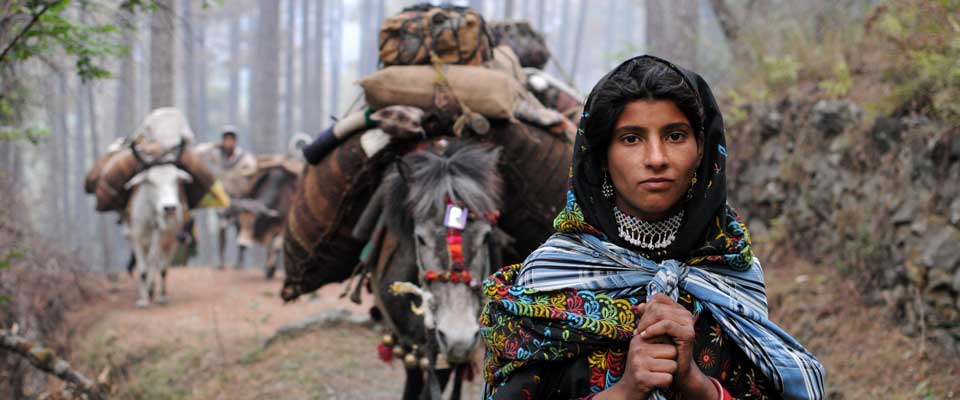
Across the Himalayan foothills, buffalo husbandry is closely connected with food, income, mobility and household resilience. When an animal is processed, its hide may become a valuable material rather than waste, carrying practical knowledge from pastoral communities into everyday life.
Traditional footwear and working gear made from buffalo hide reflect local landscapes. Thick, resilient leather can protect feet from stones, mud and cold ground, while straps, pouches and harness components support travel, animal care and trade. For Van Gujjar and Himalayan village communities, these skills also sit within wider questions of forest rights, dignity and sustainable livelihoods.
Material shaped by pastoral life
Buffalo hides are valued for their strength, thickness and ability to withstand repeated use. Their properties suit rugged environments where people may walk through forest paths, steep slopes, wet grassland and unpaved village tracks. Footwear made from carefully prepared hide can offer protection while remaining repairable with local tools and knowledge.
The material also reflects a pastoral economy. Buffalo provide milk, manure and income, and the hide can add value after an animal’s working life. Supporting responsible buffalo husbandry and fair milk marketing can therefore strengthen several parts of a household economy at once.
How hides become durable footwear
Preparing a hide traditionally involves cleaning, scraping, drying and tanning. The precise method varies by community and available materials, but each stage affects flexibility, odour, water resistance and durability. Vegetable tanning and other lower-impact approaches may require time and skill, while poorly managed chemical tanning can pollute waterways and expose workers to harm.
Traditional footwear is generally designed for repair rather than quick replacement. Soles, ties and stitched sections can be renewed as they wear down. That long service life contrasts with disposable footwear and makes hide products relevant to current conversations about repair culture, responsible consumption and material efficiency.
Gear beyond the foot
Buffalo leather can also be used for belts, straps, bags, knife sheaths, animal tack and other working items. These objects are often shaped by need rather than fashion, with form following the demands of carrying loads, handling livestock or travelling across difficult terrain.
A useful piece of gear may show small details of local ingenuity: reinforced edges, adjustable ties, folded seams or a shape that sits comfortably against the body. Such features are practical records of experience. They also demonstrate why traditional knowledge should be recognised as living expertise rather than treated as an anonymous craft resource.
Knowledge, dignity and customary rights
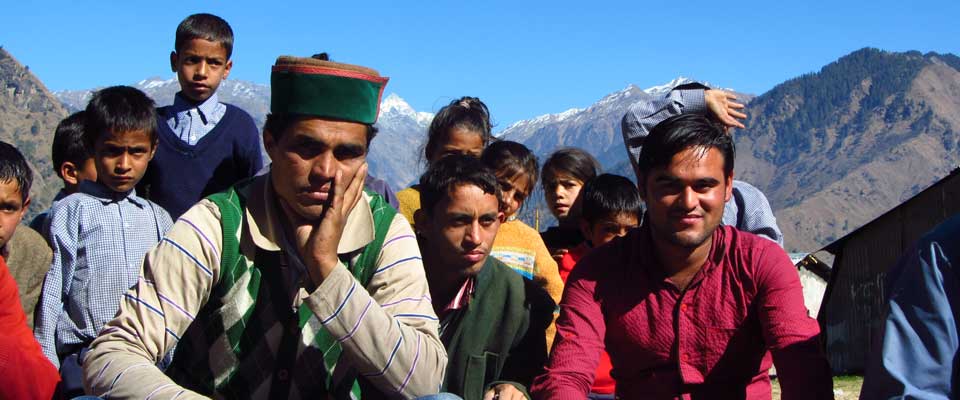
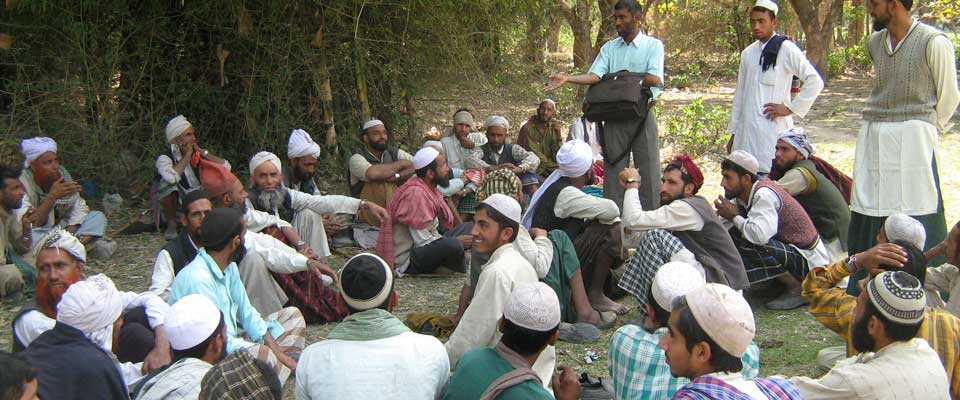
For indigenous and pastoral communities, craft cannot be separated from access to land, forests and animals. Van Gujjar families face pressures linked to settlement, forest access, documentation and changing livelihood systems. When material traditions are discussed, the people who hold that knowledge should remain visible and central.
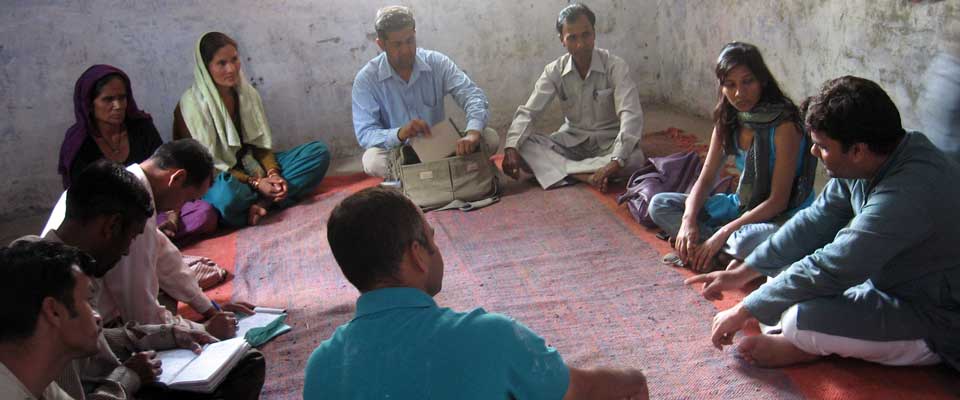
Rights-based organisations such as SOPHIA work with communities through social mobilisation, advocacy, government engagement and partnerships. This approach can help connect traditional skills with secure livelihoods while respecting community decision-making, cultural identity and customary practices.
What Australian readers can notice
Australian audiences may encounter similar questions through different materials and markets. Cattle stations in Queensland and New South Wales have long relied on hard-wearing leather for work, while bushwalking around the Blue Mountains creates demand for practical, repairable outdoor gear. In Melbourne and Sydney, design markets and ethical retail stores increasingly present handmade leather goods alongside discussions about traceability.
The comparison should be made carefully. Himalayan buffalo hide traditions belong to specific communities and landscapes, not to a generic global “rustic” aesthetic. Australian shoppers can appreciate the material while recognising that cultural credit, fair payment and environmental safeguards matter as much as appearance.
When assessing a hide product, consider:
- Whether the material is a by-product of food or dairy systems
- How the hide was tanned and whether wastewater was responsibly managed
- Whether makers and communities receive fair compensation
- Whether the item can be repaired locally
- Whether its design has been represented accurately and respectfully
Buying with care in the local market
Australian customers may find leather footwear and gear at markets in Brisbane, Melbourne or Sydney, through specialist outdoor retailers, or in stores connected with station and bush clothing. Local customs such as repairing boots, re-soling work shoes and buying durable equipment for camping provide useful alternatives to short-lived fashion purchases.
Product descriptions should be clear about the animal source, tanning process and place of manufacture. Terms such as “genuine leather” provide little information by themselves. A transparent seller should be able to explain whether the hide is buffalo, cattle or another animal, and how workers and environmental impacts are considered.
Responsible purchasing includes practical questions:
- Is the item built for frequent use rather than display?
- Can the sole, strap or stitching be replaced?
- Is the origin of the leather documented?
- Does the seller identify the makers or producer group?
- Are cultural references used with permission and context?
Keeping living skills connected to opportunity
Traditional footwear and gear remain meaningful when communities can choose how knowledge is shared and adapted. Training, cooperatives, producer groups and fair market access may help younger people see value in inherited skills without forcing them to reproduce older designs unchanged.
SOPHIA’s work with Van Gujjar and Himalayan village communities provides a wider framework for this conversation. Support for indigenous rights, forest and domicile rights, sustainable pastoral livelihoods, buffalo husbandry and milk marketing can help create the conditions in which craft knowledge survives on community terms.
Learning about buffalo hide traditions is one way to recognise the intelligence embedded in pastoral life. Support SOPHIA’s community-centred work by sharing its projects, exploring responsible partnerships and contributing to initiatives that strengthen rights, livelihoods and locally led development.