




From forest trails to a stronger community voice
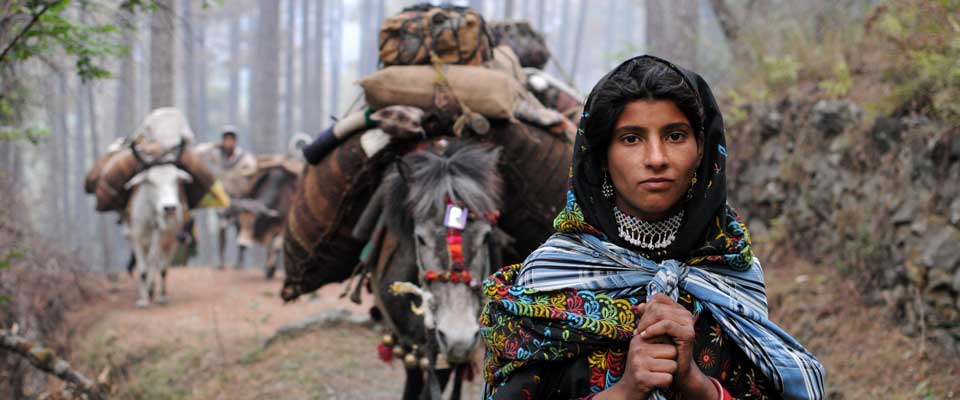
Before she spoke at government offices, Jamuna knew the forest through its seasons. She understood where buffalo could graze after the monsoon, which paths became dangerous in winter, and how far a family might travel to sell milk. Her knowledge was practical, inherited, and essential to the survival of her Van Gujjar community.
For many years, however, this knowledge remained outside formal decision-making. Women carried much of the responsibility for animals, children, fodder, water, and household income, while public meetings were usually led by men. Jamuna’s journey began when she recognized that daily experience could become a powerful foundation for community leadership.
Her story reflects the wider work of indigenous women across Uttarakhand and neighbouring Himalayan regions. With collective support, rights awareness, and opportunities to engage with officials, a pastoral woman can move from being consulted informally to representing her community with confidence.
Learning that rights begin with recognition
Jamuna first joined a village discussion about forest access and domicile documents. She had seen families struggle when customary use of forest landscapes was treated as unauthorized activity. Some households also lacked the papers needed to access welfare schemes, education support, or other public services.
At early meetings, she listened more than she spoke. She learned how forest rights, settlement records, grazing access, and social protection were connected. Community mobilization helped her understand that these were not isolated administrative problems. They were questions of dignity, security, and the right of Van Gujjar families to participate in decisions affecting their lives.
Turning everyday experience into leadership
Her responsibilities as a buffalo keeper became a source of authority. Jamuna could explain how changes in grazing routes affected milk production, animal health, and household income. She knew that a policy designed without pastoral voices could create new burdens, even when its stated purpose was conservation or development.
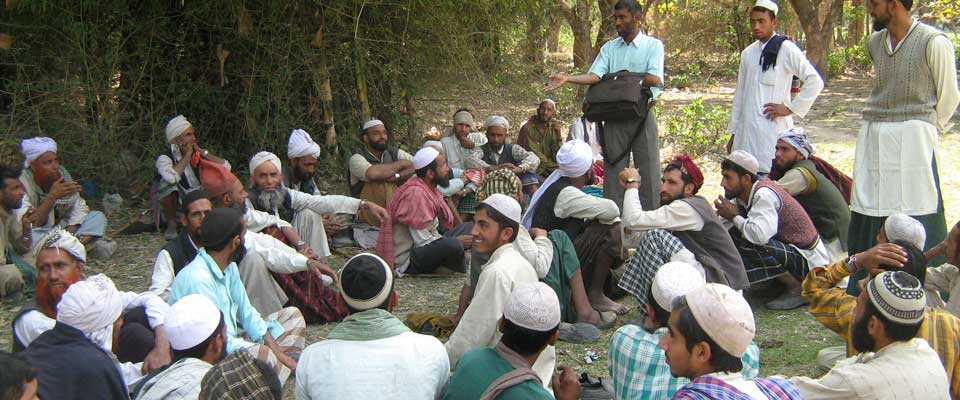
She began sharing this practical knowledge in women’s gatherings and village meetings. Instead of presenting leadership as a formal title, she treated it as a responsibility: collecting concerns, checking facts, and carrying the community’s message accurately. This approach earned trust because it was grounded in lived experience rather than personal ambition.
The confidence to speak with officials
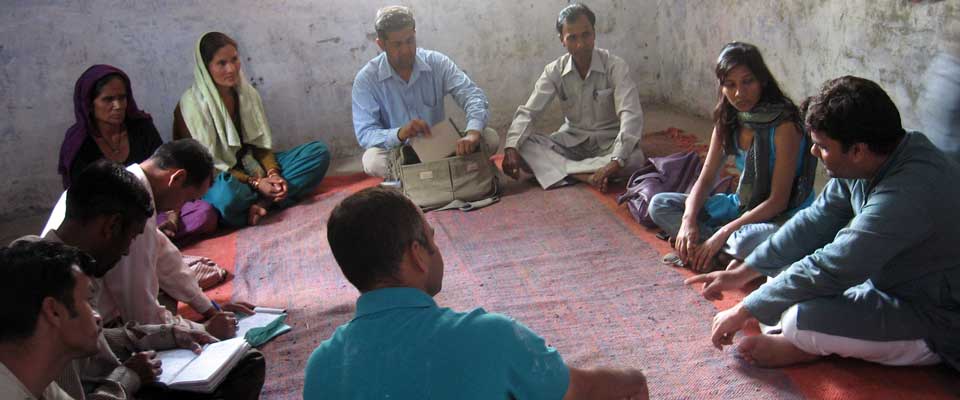
A major change came when Jamuna joined a delegation meeting local authorities. She helped prepare a short list of concerns, including access to forest resources, recognition of community rights, schooling for children, healthcare, and safe routes for seasonal movement. Preparing together made the meeting less intimidating.
She did not speak in technical language. She described what happened when families were unable to reach grazing areas or when milk had to be sold at an unfair price. Officials could connect these examples to policy, but the strength of her presentation came from its clarity. Jamuna showed that community testimony is evidence when it is organized, consistent, and supported by many voices.
Building a livelihood around buffalo husbandry
For Van Gujjar households, buffalo husbandry is more than an occupation. Animals provide milk, income, food security, and a reason to maintain knowledge of pasture, water, and seasonal movement. Jamuna encouraged women to discuss animal care, fodder availability, veterinary services, and fair milk marketing as shared economic concerns.
The group also began examining how small improvements could reduce vulnerability. Better links with veterinary workers, reliable information about public schemes, and collective conversations with milk buyers helped families make more informed decisions. These steps did not remove every difficulty, but they strengthened women’s role in household and community economics.
| Area of change | Before collective action | After women’s participation |
|---|---|---|
| Forest and domicile rights | Concerns remained private or scattered | Families documented issues and raised them together |
| Buffalo care | Support depended on individual access | Women shared information and sought veterinary services |
| Milk marketing | Prices were often accepted without discussion | Producers compared buyers and discussed fairer terms |
| Public meetings | Women attended quietly or stayed away | Women prepared statements and spoke for their settlements |
| Community confidence | Problems felt isolated | Shared advocacy created a stronger negotiating position |
Protecting culture while seeking services
Jamuna’s leadership did not require her to abandon Van Gujjar identity. She argued that education, healthcare, documentation, and government services should be available without forcing families to give up their pastoral culture. Her position connected cultural survival with practical rights.
She also encouraged younger women to record oral histories, understand local ecology, and learn how public institutions work. This balance matters. A community can seek roads, schools, and healthcare while still defending customary knowledge and relationships with the forest. SOPHIA’s field story archive reflects the importance of documenting such voices and experiences with care.
A model of shared, accountable leadership
Jamuna’s influence grew because she did not speak over others. She returned from meetings with updates, explained what had been promised, and asked families whether proposed actions reflected their priorities. Accountability made her leadership durable.
Her example also changed expectations within the settlement. Men began to recognize women’s knowledge of livestock, markets, and household pressures as essential to public discussions. Younger girls saw that a woman could travel to an office, address officials, and still remain deeply connected to community life.
Ways to support women-led community action
- Fund rights-awareness meetings in remote pastoral settlements.
- Support women’s training in documentation, public speaking, and local governance.
- Strengthen veterinary access and fair milk-marketing systems.
- Share community-led research with government departments and partner organizations.
- Preserve women’s oral histories, photographs, and accounts of seasonal pastoral life.
Jamuna’s story is a reminder that leadership often begins with a person naming a problem that everyone already knows. When that voice is supported by collective action, rights-based advocacy, and respectful partnerships, it can influence institutions far beyond one settlement.
SOPHIA welcomes people who value indigenous rights, sustainable pastoral livelihoods, and women’s participation in community decisions. Explore its work, follow the experiences of Van Gujjar and Himalayan village communities, and contribute to efforts that turn local knowledge into lasting change.