




Buffalo Herds and the Cultural Life of Van Gujjar Communities
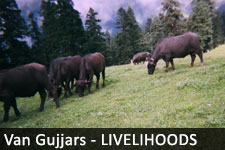
For Van Gujjar families, the buffalo is far more than a source of milk or household income. It is part of a pastoral way of life shaped by seasonal movement, forest knowledge, family labor, and close relationships between people and animals. Herds connect everyday work with community memory and a strong sense of belonging.
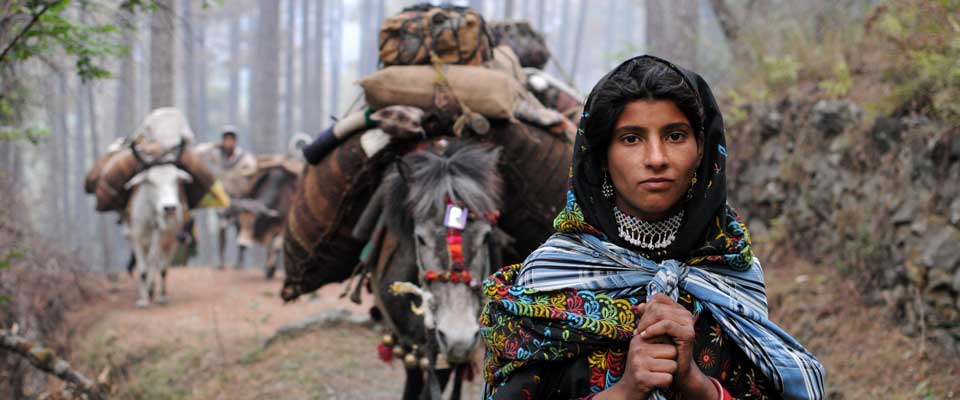
Van Gujjar pastoralists traditionally move with their buffalo between summer and winter grazing areas across the Himalayan foothills. These journeys require knowledge of forests, water sources, weather patterns, fodder, and safe routes. The herd makes this mobility possible while anchoring families to a shared cultural identity.
The significance of the buffalo in Van Gujjar identity and culture can therefore be understood through several connected dimensions: livelihood, social relationships, ecological knowledge, dignity, and rights. Protecting the animal also means protecting the conditions that allow this heritage to continue.
A Herd That Carries Memory
Buffalo husbandry is learned within families. Children observe milking, feeding, grazing, and animal care from an early age, while older generations pass on knowledge about breeding, illness, fodder, and movement through the landscape. These skills are practical, yet they also carry stories about ancestors, journeys, and places connected to the community.
Individual animals may be recognized by appearance, temperament, age, or lineage. Caring for them demands patience and daily attention. In this setting, the herd is part of the household and reflects the labor, experience, and resilience of the people who maintain it.
Milk, Work, and Household Security
Buffalo milk supports nutrition and provides a dependable source of income. Families may consume milk, prepare traditional products, or sell surplus through local markets. Milk marketing can help meet costs related to food, education, transport, animal health, and seasonal migration.
The value of the herd extends beyond cash. Buffalo contribute to household stability during uncertain agricultural seasons and changing labor conditions. Their dung can support soil fertility and household needs, while their presence allows pastoral families to make productive use of grazing landscapes that may be unsuitable for cultivation.
Seasonal Routes and Forest Knowledge
Van Gujjar mobility is closely connected to the health and accessibility of forests and grazing areas. Families know how landscapes change through the year and how to find water and fodder for animals. This knowledge represents a form of environmental stewardship developed through long experience.
The buffalo also influences the rhythm of migration. Herds require suitable grazing, shade, water, and resting places, so decisions about when and where to travel are made with animal welfare in mind. Restrictions on forest access, shrinking grazing areas, and unclear domicile or forest rights can disrupt this carefully balanced system.
| Cultural dimension | Role of the buffalo | Wider community value |
|---|---|---|
| Livelihood | Provides milk and market income | Supports household security |
| Mobility | Shapes seasonal movement | Sustains pastoral traditions |
| Knowledge | Requires care, breeding, and grazing skills | Passes learning between generations |
| Social life | Connects households through exchange and cooperation | Strengthens community bonds |
| Environment | Uses pasture and forest resources | Encourages attention to water and fodder |
Custom, Care, and Community Bonds
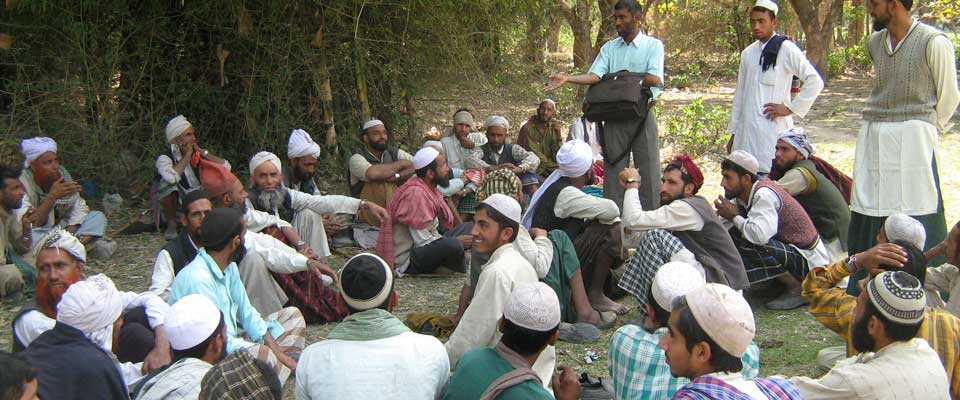
Buffalo care is often organized through cooperation among family members and neighbors. People may share information about grazing conditions, animal illness, water availability, or safe routes. Such cooperation strengthens trust and helps families respond to difficulties during migration.
Milk and animal-related exchanges can also support social relationships. The herd may be part of celebrations, household decisions, and community discussions. These practices give economic activity a cultural meaning and reinforce the idea that pastoral life is sustained collectively rather than by isolated households.
Pressure on a Living Tradition
The future of buffalo-based pastoralism is affected by reduced access to customary forests, settlement pressures, market fluctuations, animal disease, and limited veterinary services. When families cannot reach seasonal grazing areas, the cost of keeping animals rises and traditional movement becomes harder to maintain.
Administrative barriers can create additional uncertainty. Recognition of forest rights, domicile rights, identity documents, education, healthcare, and access to government schemes all influence whether pastoral households can continue their way of life with dignity. Cultural preservation must therefore be linked to legal recognition and practical services.
Supporting Rights and Future Generations
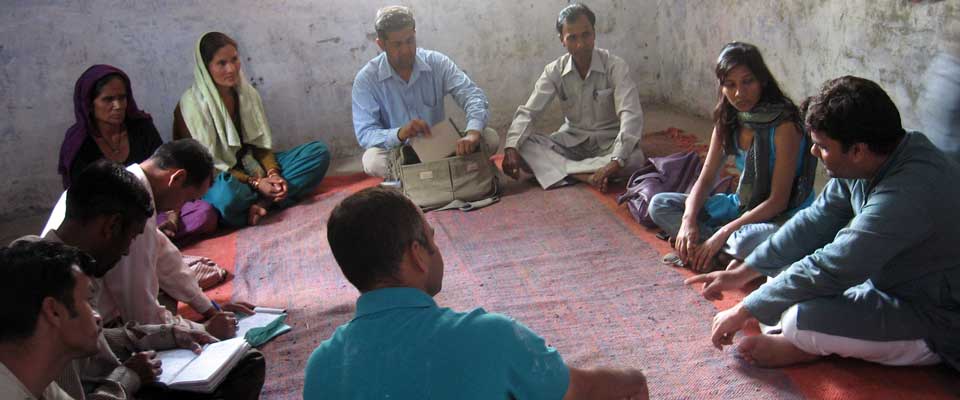
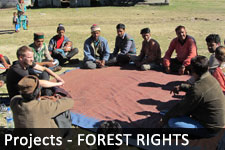
Protecting Van Gujjar culture requires attention to both the herd and the people who depend on it. Rights-based organizing can help communities participate in decisions about forests, grazing, settlement, animal health, and local development. Government engagement and partnerships with civil society groups can make these concerns more visible.
Young people also need opportunities to value their heritage while gaining access to education, skills, and new forms of livelihood. A strong future does not require abandoning pastoral identity. It can include improved veterinary care, fair milk markets, mobile services, better documentation, and community-led planning.
Practical Ways to Support Pastoral Life
Organizations, institutions, and individuals can contribute by:
- Supporting community-led work on forest, grazing, and domicile rights
- Promoting fair and reliable milk marketing systems
- Improving access to veterinary care, vaccination, fodder, and clean water
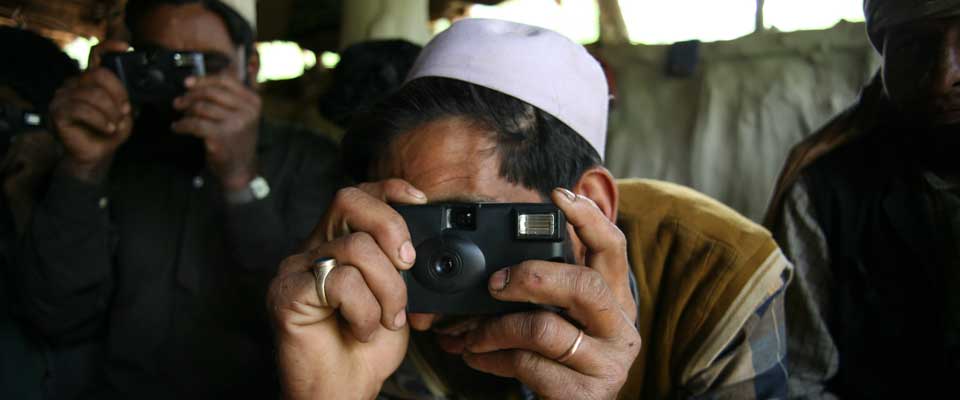
- Documenting Van Gujjar histories, oral traditions, migration routes, and photographs with community consent
- Creating partnerships that include pastoral families in decisions affecting their land and livelihoods
For SOPHIA, the buffalo represents a living connection between indigenous rights, sustainable livelihoods, and community strength. Supporting Van Gujjar families means recognizing their knowledge and agency, not treating pastoralism as a remnant of the past. Explore SOPHIA’s work, learn from its community partnerships, and support efforts that help protect both buffalo husbandry and the cultural landscape it sustains.