




Women shaping buffalo milk value chains in Himalayan communities
Buffalo milk is central to food security and household income for many pastoral and village families in the Himalayan region. Yet the work that turns fresh milk into safe, marketable products often happens quietly inside the household, where women manage milking, straining, boiling, storage, and sales.
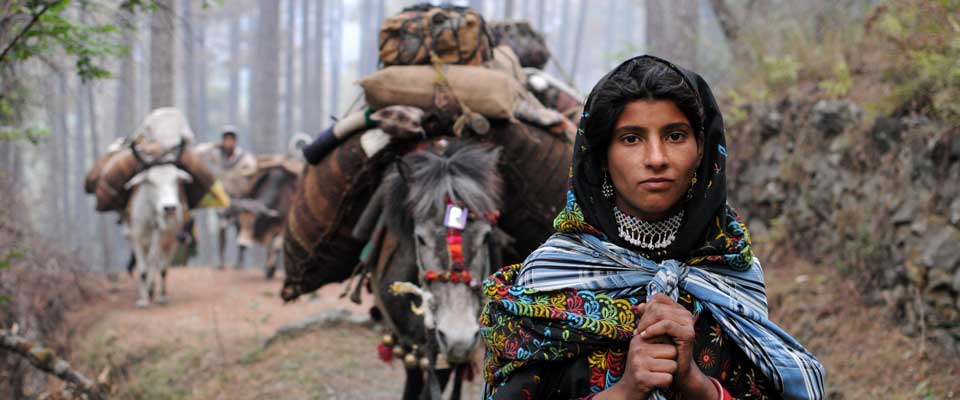
For Van Gujjar and other Himalayan communities, women’s knowledge connects animal care with nutrition, local trade, and cultural continuity. Their contribution to milk processing and value addition deserves recognition as skilled economic work rather than unpaid domestic support.
Value addition can include converting milk into curd, buttermilk, butter, ghee, paneer, khoa, and other products. With appropriate training, equipment, market access, and decision-making power, these activities can strengthen livelihoods while respecting community traditions and mobility patterns.
Everyday expertise in milk handling
Women frequently oversee the daily routines that determine milk quality. They clean utensils, monitor buffalo health, identify changes in milk, and decide whether fresh milk should be consumed, stored, or processed. These practical judgments reduce waste and protect family health.
Traditional methods also provide a foundation for small-scale enterprise. Fermentation for curd, controlled heating for khoa, and churning for butter rely on observation and experience. When combined with basic hygiene guidance, these skills can produce consistent goods without displacing local knowledge.
From household production to added value
Selling raw milk can provide immediate cash, but processed products often offer greater flexibility and a longer selling period. Ghee, for example, can be stored longer than fresh milk, while paneer and curd may serve nearby consumers seeking convenient, locally produced foods.
Women’s involvement in this process includes more than physical labour. They may select recipes, calculate quantities, negotiate with customers, maintain informal credit relationships, and decide how income is used. These roles make women essential actors in the buffalo milk value chain.
Products, skills, and market opportunities
Different products require different levels of time, fuel, equipment, packaging, and market coordination. Understanding these differences helps communities choose options that match their resources and seasonal routines.
| Product | Processing needs | Strength for household enterprise |
|---|---|---|
| Curd | Clean containers, starter culture, controlled setting | Regular local demand and simple preparation |
| Buttermilk | Churning or dilution, hygienic storage | Affordable product using routine household skills |
| Butter | Churning, filtering, cool storage | Converts surplus cream into a higher-value food |
| Ghee | Slow heating, filtering, sealed packaging | Longer shelf life and easier transport |
| Paneer | Heating, coagulation, pressing, refrigeration | Good value in village and town markets |
Training can focus on small improvements such as stainless-steel utensils, clean water, covered containers, accurate weighing, and simple labels. These changes can improve consumer confidence while keeping production affordable and community-owned.
Income, agency, and household decisions
When women control a portion of dairy earnings, income can support food, education, healthcare, animal care, and emergency needs. Financial participation may also increase their confidence in public meetings, producer groups, and negotiations with traders or institutions.
However, participation should not mean adding commercial responsibilities to an already heavy workload. Processing schedules need to account for childcare, fuel collection, seasonal migration, grazing patterns, and other unpaid tasks. Collective kitchens, shared equipment, or rotating work groups can help distribute labour fairly.
Collective action and stronger local systems
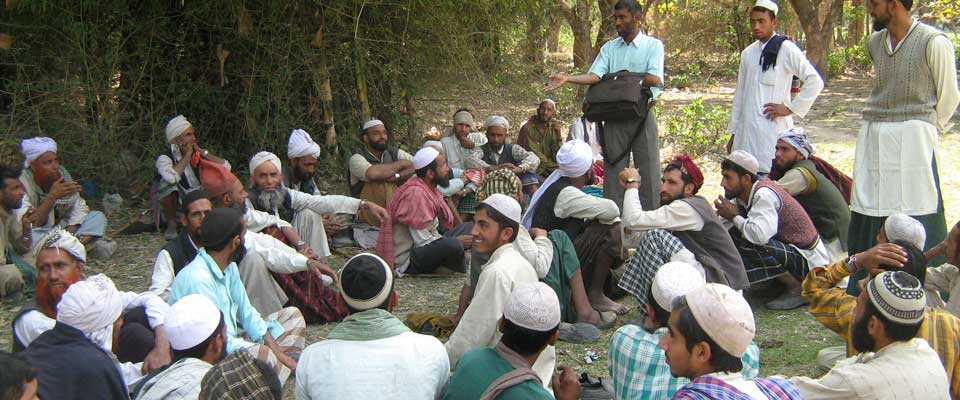
Women’s groups can pool milk, purchase packaging, coordinate transport, and agree on quality standards. Collective action may also improve bargaining power when selling to shops, hotels, schools, or local markets. Transparent records are important so every contributor understands prices, costs, and payments.
Organizations supporting pastoral and forest-dependent communities can connect women’s producer groups with government programmes, veterinary services, food safety guidance, and suitable finance. SOPHIA’s community work demonstrates the value of rights-based engagement, social mobilization, and partnerships that place local priorities at the centre.
Priorities for dignified value addition
A practical approach should strengthen women’s authority while protecting the cultural and ecological foundations of buffalo husbandry. Useful priorities include:
- Provide hands-on training in hygiene, processing, packaging, bookkeeping, and product quality.
- Establish women-led milk groups with clear rules for purchasing, pricing, and profit sharing.
- Improve access to clean water, fuel-efficient equipment, cooling facilities, and safe transport.
- Link producers with fair local markets instead of relying only on middlemen.
- Include women in decisions about animal health, grazing resources, household income, and enterprise planning.
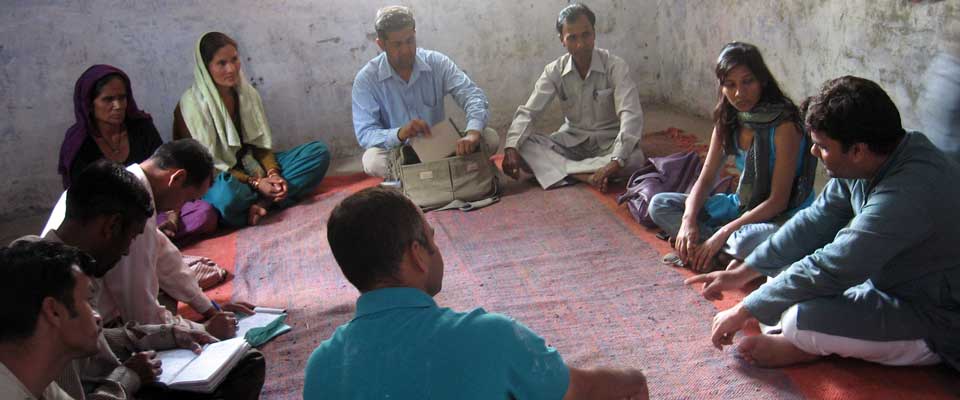
These measures work best when designed with women rather than delivered to them as fixed solutions. Community consultations can identify which products fit local demand, which equipment is manageable, and how seasonal movement affects production.
Recognizing women’s expertise in buffalo milk processing changes how rural development is understood. Their labour sustains families, preserves food traditions, and creates opportunities for locally controlled enterprise. Supporting this work can help pastoral and village communities earn more from existing resources while strengthening women’s voice in economic and social decisions.
Organizations, local institutions, and responsible consumers can contribute by partnering with women’s groups, purchasing fairly priced products, and investing in community-led dairy initiatives. Supporting women’s value-added enterprises is a direct way to strengthen resilient livelihoods across Himalayan communities.