


The Role of the Van Gujjar Mahila Mandal
The Van Gujjar Mahila Mandal is a vital platform for women from pastoral and forest-dwelling communities to shape decisions affecting their families, livelihoods, and future. Through collective action, women can bring community concerns into discussions about forest access, domicile rights, education, health, and sustainable development.
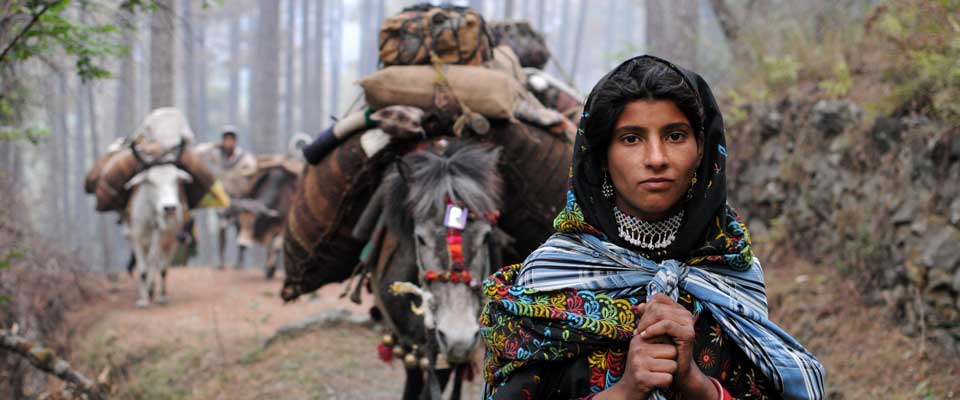
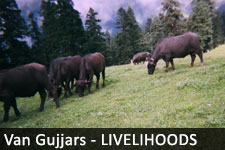
For Van Gujjar families, buffalo husbandry, seasonal migration, milk production, and access to grazing areas are closely connected. Women contribute significantly to each of these activities, yet their knowledge and labour are often overlooked. A women’s group helps make their contribution visible while strengthening their ability to speak, organize, and negotiate.
SOPHIA’s rights-based work provides space for women to build confidence, share experiences, and engage with institutions. The Mahila Mandal can connect household realities with wider advocacy for indigenous rights and secure pastoral livelihoods.
A Collective Voice For Community Rights
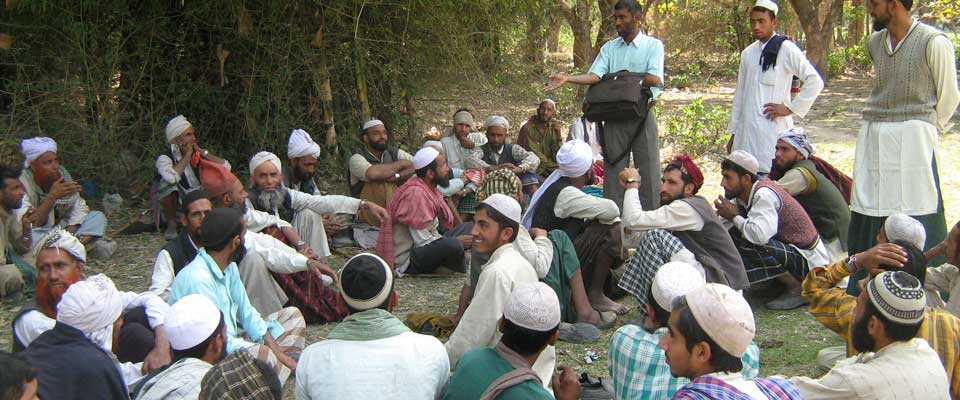
Women acting together are better placed to identify common problems and seek fair solutions. The group can document difficulties related to forest permits, relocation, public services, land records, and access to traditional living spaces. This information supports dialogue with local authorities and strengthens community-led advocacy.
The Mahila Mandal also helps women understand legal and administrative processes. By sharing information about forest and domicile rights, government schemes, identity documents, and social protection, members can assist one another in claiming entitlements that may otherwise remain inaccessible.
Strengthening Pastoral Livelihoods
Van Gujjar women are central to buffalo care and milk production. They manage feeding, milking, cleaning, processing, and many household responsibilities linked to livestock. Their practical knowledge can improve animal health, fodder planning, hygiene, and the quality of dairy products.
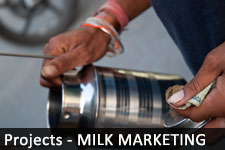
A women’s collective may also help families receive better value for milk. Group discussions can encourage transparent milk measurement, reliable buyers, improved market connections, and shared learning about costs and prices. When women participate in decisions about income, household financial security can improve.
Knowledge That Sustains Forest And Family Life
Women carry detailed knowledge of seasonal routes, fodder, water sources, medicinal plants, weather patterns, and household nutrition. This knowledge is important for sustainable pastoralism and for adapting to changes in forests, climate, markets, and public services.
The Mahila Mandal creates a setting where this experience can be recorded and passed to younger members. It can also connect traditional practices with useful information about animal care, maternal health, sanitation, education, and environmental protection without dismissing community traditions.
| Area of action | Contribution of the women’s group | Wider community benefit |
|---|---|---|
| Rights awareness | Shares information and records concerns | Stronger claims and informed engagement |
| Buffalo husbandry | Exchanges knowledge on care, fodder, and hygiene | Healthier animals and more dependable income |
| Milk marketing | Supports collective discussion about prices and buyers | Fairer and more transparent transactions |
| Social welfare | Helps members access schemes and documents | Improved household security |
| Community leadership | Builds confidence and public participation | More inclusive local decisions |
Creating Space For Women’s Leadership
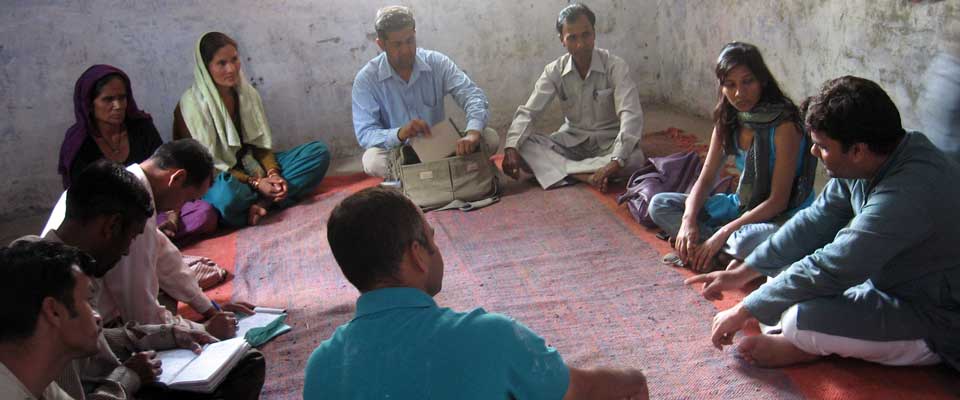
Participation in a Mahila Mandal can help women move from being consulted informally to taking active leadership roles. Meetings offer practice in speaking publicly, setting priorities, keeping records, resolving disagreements, and presenting demands to officials or partner organizations.
Leadership does not need to follow a single model. Some women may coordinate meetings, others may maintain accounts, collect information, support health activities, or represent the group in village forums. Shared responsibilities make the group more accountable and allow different skills to emerge.
Linking Households With Institutions
A women’s group can serve as a bridge between Van Gujjar settlements and government departments, NGOs, schools, health workers, veterinary services, and milk buyers. Collective communication can make it easier to explain community needs and follow up on commitments.
SOPHIA can support this process through social mobilization, rights education, advocacy, and engagement with public institutions. Partnerships with other civil society organizations can add technical knowledge and help amplify issues that require action beyond one settlement.
Priorities For An Effective Women’s Group
The strength of the Mahila Mandal depends on regular participation, trust, and attention to the priorities identified by women themselves. A practical approach includes:
- Hold accessible meetings that respect seasonal migration and household responsibilities.
- Maintain simple records of members, concerns, decisions, and follow-up actions.
- Include younger women and encourage intergenerational knowledge sharing.
- Promote transparent discussion of milk income, group funds, and partnerships.
- Build respectful links with officials while preserving community ownership of decisions.
When women organize around shared experience, their work becomes a foundation for wider social change. The Van Gujjar Mahila Mandal can help protect cultural identity, strengthen pastoral livelihoods, and ensure that development efforts reflect the voices of those most affected.
SOPHIA invites supporters, community partners, researchers, and responsible institutions to recognize and strengthen women-led action among Van Gujjar and Himalayan communities. Supporting the Mahila Mandal means investing in rights, dignity, sustainable livelihoods, and a stronger future for the whole community.