




NGOs as bridges between government and grassroots communities
Government programmes often look clear on paper but feel distant in villages, forest settlements, and pastoral camps. Communities may struggle to understand eligibility rules, while officials may receive incomplete information about local livelihoods, seasonal movement, or customary rights. This gap can weaken otherwise valuable public services.
Non-governmental organizations help close that distance. By working with residents over time, NGOs can translate policy into accessible language, carry community priorities into official forums, and support constructive responses from public authorities. Their role is especially important where indigenous rights, forest access, domicile recognition, and livelihood security are closely connected.
For organizations such as SOPHIA, dialogue is a practical process rather than a single consultation. It involves social mobilization, documentation, advocacy, government engagement, and partnerships that enable Van Gujjar and Himalayan village communities to participate in decisions affecting their lives.
Why government and communities struggle to connect
Officials often work within departmental boundaries, fixed schedules, and written procedures. Grassroots communities may organize their lives around livestock cycles, seasonal migration, forest resources, and informal social networks. These different systems can create misunderstandings even when both sides want effective solutions.
Language, literacy, distance, and unequal access to information add further barriers. A pastoral family may know exactly how a policy affects its buffaloes, grazing routes, or settlement rights but lack the documents or institutional access needed to communicate that knowledge. Government staff, meanwhile, may depend on reports that omit these daily realities.
NGOs as trusted intermediaries
An NGO can create a reliable channel for two-way communication. It listens to residents, identifies shared concerns, and helps communities present evidence collectively rather than as isolated individual complaints. At the same time, it can explain administrative processes, clarify responsibilities, and reduce the fear many people feel when approaching public offices.
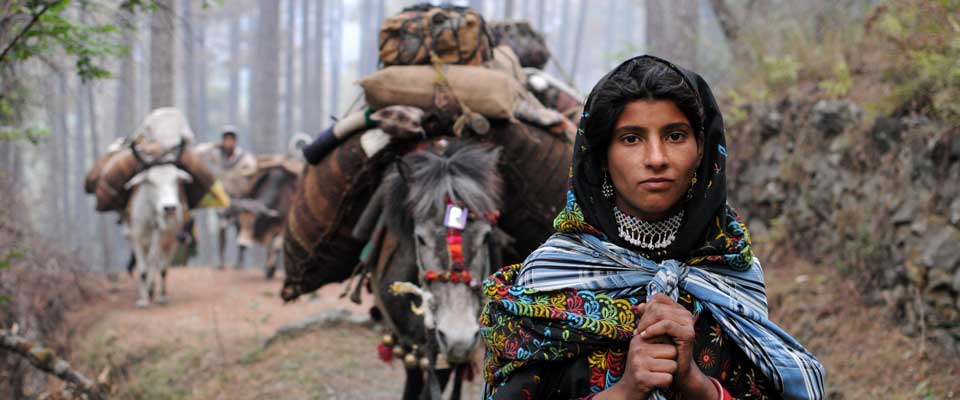
Trust is built through continuity. Field visits, village meetings, legal awareness sessions, and follow-up with officials show that dialogue does not end when a meeting closes. In pastoral contexts, understanding Van Gujjar nomadism is essential to representing mobility patterns accurately and avoiding assumptions based on settled communities.
Turning local knowledge into public policy
Grassroots dialogue becomes influential when lived experience is converted into usable evidence. NGOs may document customary forest use, map seasonal routes, record barriers to milk marketing, or collect testimonies about difficulties accessing welfare schemes. This material gives officials a stronger basis for planning and helps communities support their claims.
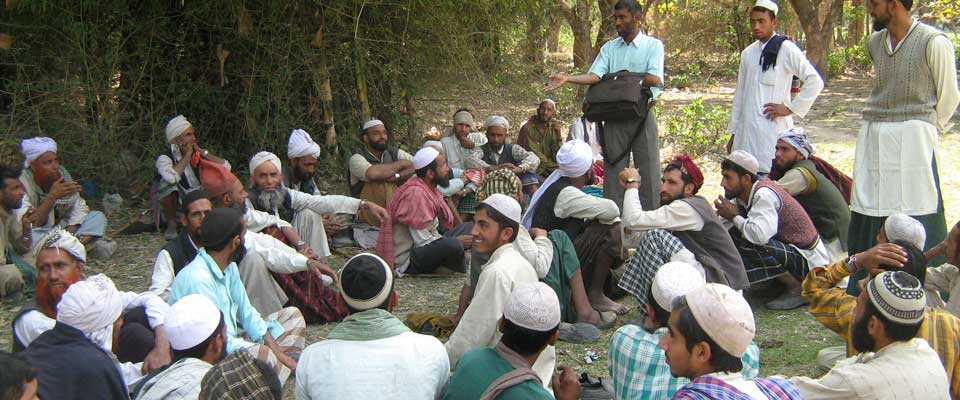
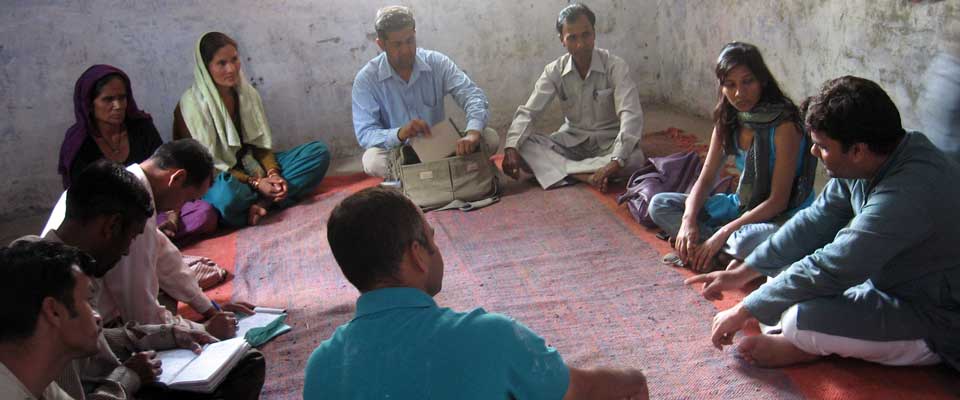
The process also protects local knowledge from being reduced to a symbolic consultation. A carefully facilitated meeting can compare community priorities with existing laws, budgets, and departmental mandates. The following framework shows how an NGO can connect local concerns with administrative action:
| Grassroots concern | NGO contribution | Government engagement | Potential outcome |
|---|---|---|---|
| Unclear forest or domicile rights | Rights awareness, documentation, and case support | Meetings with relevant departments and local authorities | More informed claims and clearer procedures |
| Seasonal pastoral movement | Community mapping and livelihood research | Planning discussions across administrative areas | Services better suited to mobile households |
| Weak milk market access | Producer organization and market analysis | Coordination with dairy and rural development agencies | Improved collection, pricing, or transport options |
| Limited welfare access | Eligibility guidance and referral support | Follow-up on applications and service gaps | Greater inclusion in public schemes |
From consultation to shared accountability
Dialogue has value only when responsibilities and next steps are visible. NGOs can help record meeting decisions, identify responsible offices, establish timelines, and return to communities with updates. This creates a simple accountability chain between a public commitment and its implementation.
Independent civil society organizations can also raise difficult issues without turning every disagreement into confrontation. Evidence-based advocacy allows them to point out exclusion, discrimination, or administrative delay while keeping space open for negotiation. Constructive pressure is often more effective when it is rooted in community consent and supported by credible documentation.
Practices that make dialogue work
Effective government–grassroots engagement depends on preparation, inclusion, and sustained follow-through. NGOs should ensure that women, elders, young people, landless households, and mobile pastoral families are heard, rather than allowing the most confident participants to speak for everyone.
Useful practices include:
- Hold consultations in accessible locations and at times that reflect seasonal work and migration.
- Use local languages, visual materials, and plain explanations of laws and government schemes.
- Build representative community groups with transparent decision-making and clear mandates.
- Combine testimonies with maps, records, photographs, and other verifiable evidence.
- Track commitments after meetings and share progress with both residents and officials.
These methods turn participation into a working relationship. They also help government departments recognize communities as partners in implementation, monitoring, and problem-solving rather than as passive recipients of assistance.
Strengthening democratic participation through partnerships
No single organization can address the full range of issues affecting indigenous and rural communities. NGOs can connect local groups with legal networks, researchers, cooperatives, media organizations, and other civil society institutions. Such partnerships expand technical capacity while keeping the community’s priorities at the center.
For SOPHIA, collaboration can support wider advocacy on forest and domicile rights, sustainable pastoral livelihoods, buffalo husbandry, and milk marketing across Uttarakhand, Himachal Pradesh, and Uttar Pradesh. Engagement with public authorities is strongest when it combines local leadership with practical knowledge of policy, budgets, and administrative systems.
When NGOs facilitate respectful dialogue, government becomes more responsive and communities gain greater confidence in claiming their rights. Support SOPHIA’s community-led work by learning about its projects, sharing its advocacy, and contributing to partnerships that connect Himalayan communities with accountable public institutions.