




How Local Fairs Sustain Van Gujjar Communities
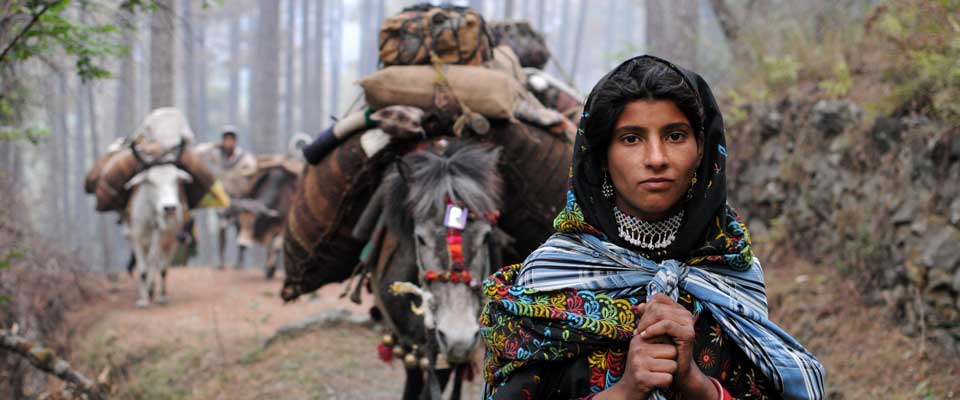
For Van Gujjar families in the Himalayan foothills, a local fair is far more than a place to purchase household goods. Seasonal gatherings connect pastoral communities with traders, neighbouring villages, service providers and extended family networks. They create a practical meeting point between forest-based livelihoods and the wider rural economy.
These exchanges are especially important across Uttarakhand, Himachal Pradesh and Uttar Pradesh, where families may travel with their buffaloes between winter settlements and forest grazing areas. Looking at the role of local fairs in Van Gujjar social and economic exchange helps explain how community relationships, milk marketing and indigenous rights are closely linked.
Seasonal Routes Meet Market Days
Van Gujjar pastoralism follows seasonal rhythms. Families move livestock according to pasture, weather and forest access, and market days can become important points along these routes. A haat, or periodic rural market, offers opportunities to sell milk, ghee and other products while buying grain, clothing, tools, animal feed and medicines.
The timing of a fair matters. A market held near a migration route can reduce travel costs and help families obtain supplies before moving into more remote areas. It also allows pastoralists to exchange news about grazing conditions, road access, government services and changes affecting forest use.
Milk, Buffaloes And Household Income
Buffalo husbandry is central to many Van Gujjar livelihoods. Fresh milk may be sold locally, while ghee and other dairy products can be traded when families need longer-lasting goods or additional cash. Local fairs bring producers into contact with customers and small traders without requiring every household to depend on distant commercial networks.
Prices are shaped by season, transport, quality and bargaining power. When producers have limited market information, they may receive less value for their work. Community organisation can help families compare prices, improve handling and storage, and explore fairer routes to market. These concerns will be familiar to Australian audiences who see similar debates around farm-gate prices, food miles and the value of regional produce at farmers’ markets in Melbourne or Sydney.
Social Ties Strengthened Through Exchange
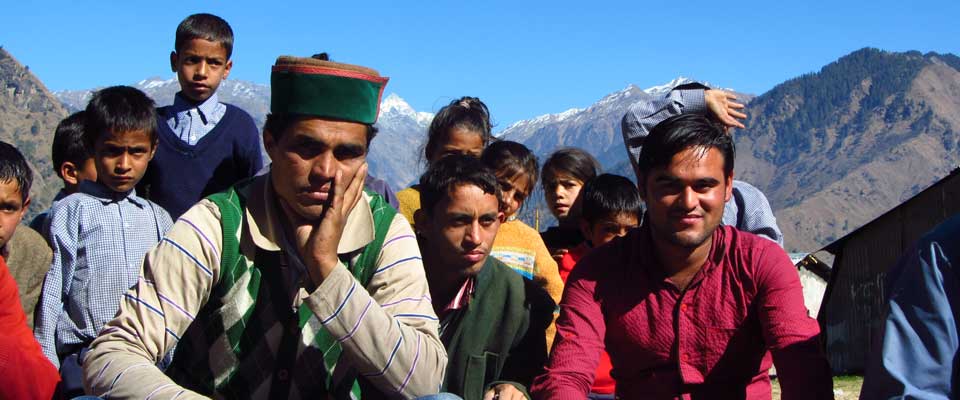
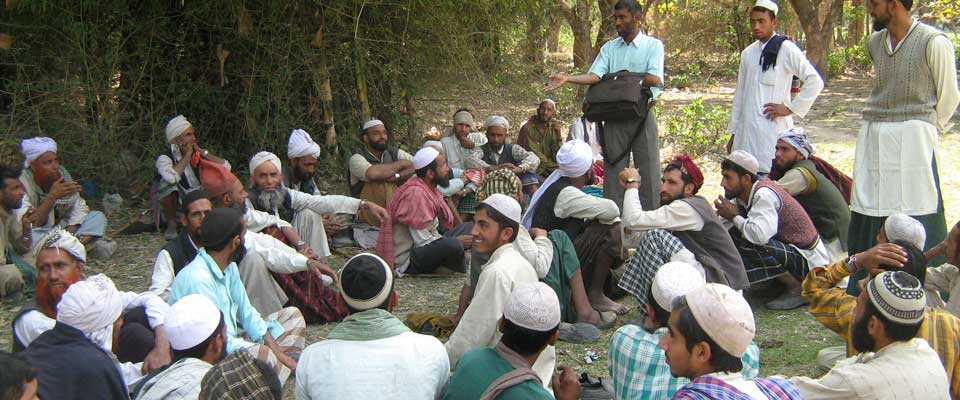
A fair is also a social institution. Families meet relatives, arrange marriages, settle disagreements and maintain connections that may be difficult to sustain during seasonal movement. Conversations at the market can reinforce collective identity and pass on knowledge about animal care, customary practices and community responsibilities.
These gatherings often include exchanges that have no formal price. A family may share information, help another household reach a government office or recommend a reliable trader. Such relationships build trust and mutual support. The atmosphere can resemble the community purpose of regional Australian showgrounds or weekend markets, where commerce sits alongside storytelling, local customs and social belonging.
Access, Rights And Representation
Market access depends on more than distance. Documentation, transport, forest rules, domicile rights and access to public services can all influence whether Van Gujjar families can trade securely. Restrictions on traditional movement may increase costs and make it harder to reach buyers, schools, health facilities or animal-care services.
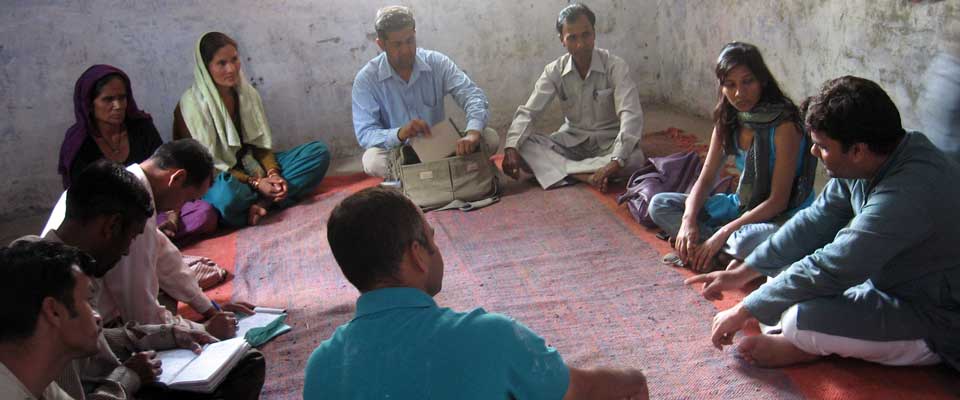
Local fairs therefore provide a setting where concerns become visible. Community members can discuss forest and pastoral rights, share experiences with officials and strengthen collective advocacy. Rights-based organisations such as SOPHIA support this process by connecting local knowledge with government engagement, social mobilisation and partnerships across civil society.
Resilience In A Changing Rural Economy
Climate variability, changing forest access, rising transport costs and shifting consumer preferences are reshaping Himalayan pastoral livelihoods. A delayed monsoon can affect pasture and milk production, while poor roads can prevent families from reaching a market at the most profitable time. Younger people may also seek education or employment away from traditional pastoral routes.
Even so, fairs remain adaptable. They can support new dairy products, direct relationships with consumers and better links between producer groups and local institutions. Clear information about prices, hygienic processing and demand can help families make decisions without abandoning cultural practices or community-based resource management.
Supporting Fairer Local Exchange
People and organisations working with Van Gujjar communities can strengthen the value of local fairs through practical, locally led measures. The most useful actions respect mobility, customary knowledge and the decisions of community members.
- Support producer groups that improve milk collection, storage and transparent pricing.
- Invest in safe transport, clean market spaces and access to veterinary services.
- Include Van Gujjar representatives in decisions about forests, pastoral routes and rural markets.
- Promote direct links between dairy producers, ethical buyers and local institutions.
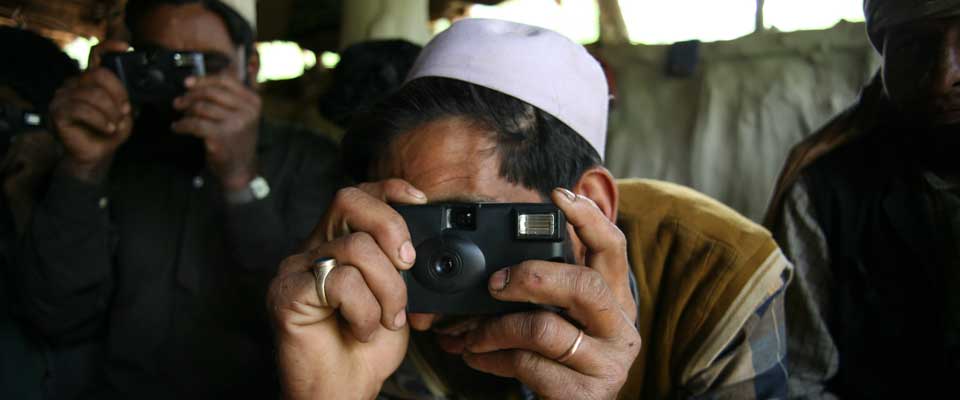
- Record community perspectives through respectful photography, media and public education.
For Australian supporters, this approach connects with familiar principles of ethical sourcing and regional resilience. Buying from responsible producers at a community market, supporting Indigenous-led organisations and valuing provenance can help build fairer food systems without treating Himalayan communities as a tourism product.
SOPHIA’s work offers a way to learn more about Van Gujjar rights, buffalo husbandry, milk marketing and sustainable pastoral livelihoods. Explore its projects, community stories and partnership opportunities, then support approaches that place local leadership at the centre of social and economic change.