



Buffaloes as Bonds in Van Gujjar Marriage Negotiations
The Van Gujjar community, spread across the lower Himalayan foothills of Uttarakhand, Himachal Pradesh, and Uttar Pradesh, has long viewed buffaloes as more than livestock. They function as currency, inheritance, and social capital within a people whose identity revolves around buffalo husbandry. Understanding how these animals enter marriage negotiations reveals the depth of customary law governing one of India's most resilient pastoral groups.
SOPHIA, an Indian non-governmental organisation, has spent decades documenting how pastoral livelihoods intersect with cultural rituals. For observers in countries such as Australia, where cattle stations stretch across western Queensland and the dairy industry shapes parts of regional Victoria, the parallels are striking, yet the ceremonial weight placed on buffaloes in matrimonial alliances remains distinctive to the Van Gujjar worldview.
The pastoral identity of the Van Gujjar
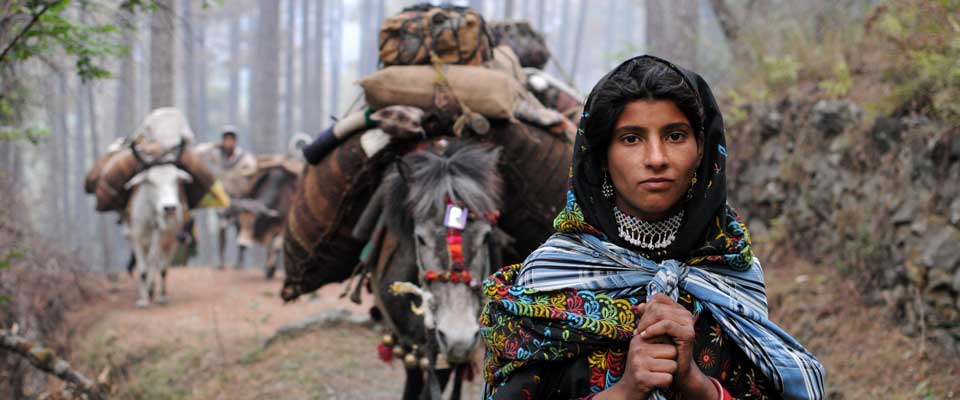
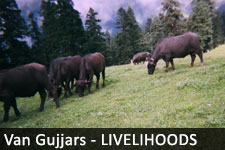
The Van Gujjar are transhumant herders, moving between sub-Himalayan forests in winter and alpine meadows in summer. Their economic life centres on buffalo milk, ghee, and the sale of male calves for cash, with milk processed each morning before the herd moves on.
A household's standing in the biradari, or community council, often reflects the size and quality of its buffalo herd. The parallels with cattle stations around Longreach or dairy farms in Gippsland are clear, even if the operating scale differs considerably across continents.
Buffaloes as a store of familial wealth
Herd accumulation acts as the primary savings mechanism for Van Gujjar families with limited access to formal banking. Income from milk sales, often arranged through cooperatives that SOPHIA helps facilitate, is reinvested into expanding the herd rather than stored in financial accounts.
In rural New South Wales, families similarly store wealth in livestock equity, measured at saleyards such as those in Wagga Wagga. The Van Gujjar system runs on parallel principles but adds a ceremonial layer, where buffalo ownership transitions mark life-cycle events including marriages and seasonal migrations.
The opening negotiations between families
When a marriage is proposed, the groom's family approaches the bride's father with informal gestures. Male buffalo calves, ghee, or labour offers signal serious intent. Elders read these gifts as measured responses to the groom's character and household stability.
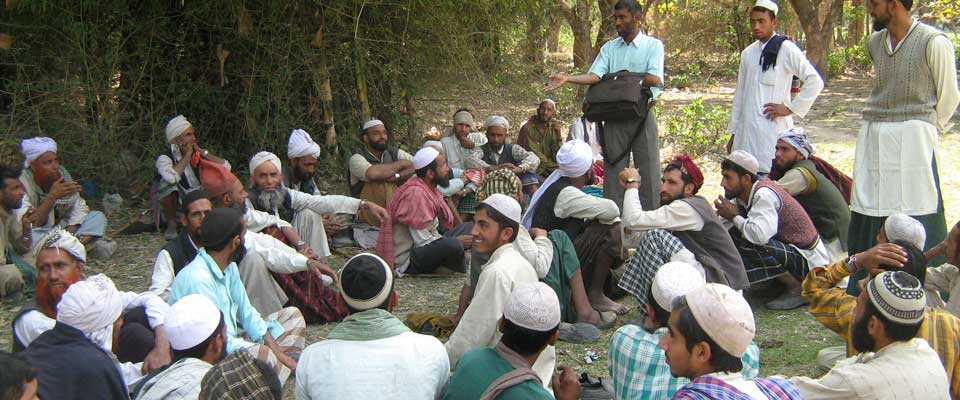
Clan elders then meet under a chinar tree to discuss the mehr, a customary payment to the bride, alongside broader exchanges of livestock and goods. The scale of the buffalo commitment quietly shapes the bride's worth in the wider community and the standing of both lineages going forward.
Livestock exchange and dowry composition
The negotiated package may include five to twenty buffaloes, cash, utensils, clothing, and occasionally land-use rights in forest areas. The dowry is staged across the engagement period and completed at the wedding itself, with witnesses recording each animal's transfer as it happens.
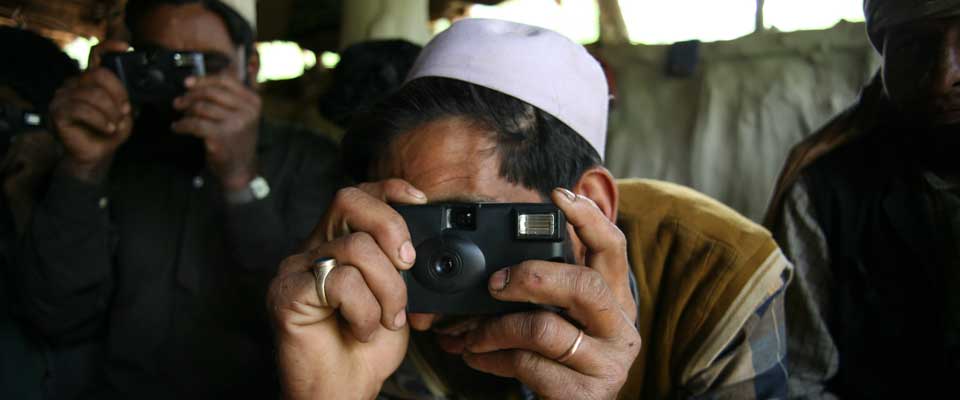
Photographs from SOPHIA's photo archive capture these gatherings, showing animals being led into the bride's homestead while elders record the transaction. The deliberate public nature of the exchange ensures the agreement cannot quietly be disputed in later years.
Social validation and the role of the biradari
A marriage becomes binding only after the biradari, the council of elders, gives its blessing. This council verifies the livestock exchange, ensures kinship ties are respected, and confirms the alliance strengthens broader community cohesion. Without endorsement, a couple may live together but lack full recognition at religious and social events.
In suburban Melbourne or Brisbane, couples register their unions through the Commonwealth Registry of Births, Deaths and Marriages, followed by a celebrant and weekend reception. The Van Gujjar version rests instead on witnessed livestock transfers and ancestral memory carefully preserved by elders across generations.
Pressures from outside and shifting practice
Market fluctuations, forest evictions, and government resettlement policies now disrupt these traditions. As buffalo herds shrink under grazing restrictions enforced by forest departments, families struggle to assemble the customary exchange on schedule. Younger Van Gujjar men sometimes marry outside the community, drawn by wage labour in cities like Dehradun or Chandigarh.
Australian parallels appear in the impact of water buybacks and prolonged drought policies on pastoral families, where intergenerational livestock transfers have become harder to maintain. SOPHIA responds by helping communities document forest and domicile rights, ensuring cultural claims remain recognised even as herd sizes decline.
Documentation, advocacy, and community resilience
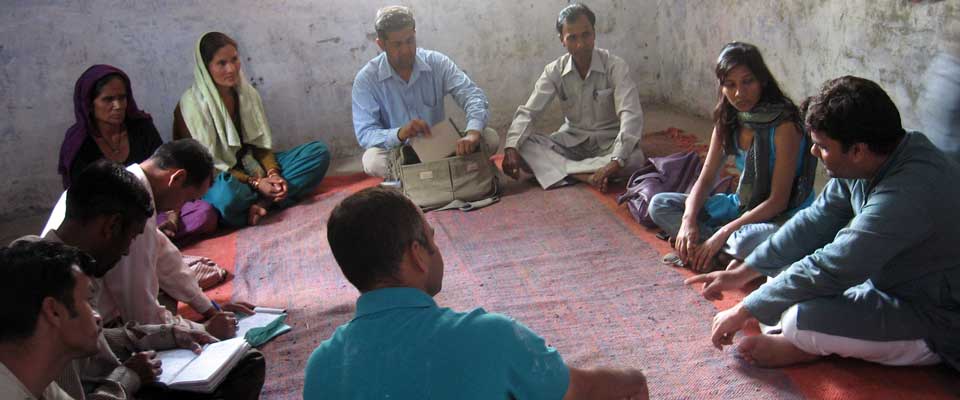
SOPHIA translates these customs into formats that government agencies, courts, and partner NGOs can understand. Stories of negotiations blocked by forest clearances are compiled and presented during advocacy campaigns in Delhi and at state-level hearings. Each documented case helps build a record future negotiators can rely upon.
For diaspora communities in Adelaide, Perth, or Sydney interested in indigenous rights globally, supporting SOPHIA offers direct engagement with Himalayan pastoralists confronting pressures reminiscent of those once faced by Aboriginal stockmen dispossessed of their traditional lands under earlier limitations of the Native Title framework.
Recommendations for ethical engagement with pastoral customs
- Support SOPHIA's documentation projects to preserve records of customary marriage practices.
- Encourage research partnerships that treat Van Gujjar knowledge as authoritative rather than anecdotal.
- Promote fair market access for buffalo milk and ghee from small herders in Himalayan states.
- Advocate for forest and domicile rights that keep herds viable for ceremonial exchanges.
- Provide language and legal translation so elders can engage confidently with state authorities.
- Respect community decisions about when and how customary negotiations are shared publicly.
- Collaborate with Australian indigenous organisations to exchange best practices on pastoral rights.
To walk alongside the Van Gujjar in protecting their marriage customs and pastoral future, consider donating to SOPHIA or subscribing to field updates. Share this knowledge with networks who value indigenous resilience, and add your voice to the call for policies that respect both Himalayan forests and the cultures shaped by them.