




The Nutritional Role of Buffalo Milk in Van Gujjar Children’s Diets
For Van Gujjar families in northern India, buffalo milk is closely linked to pastoral life, household food security and cultural identity. Children may drink it fresh, use it with rice or flatbreads, or consume it as yoghurt, buttermilk, ghee and other traditional foods.
Milk can make an important contribution to childhood nutrition, particularly where access to varied foods is limited by seasonal migration, distance from markets and household income. Its value is greatest when it forms part of a balanced diet that includes grains, pulses, vegetables, fruit and safe drinking water.
Understanding this role requires more than listing nutrients. It means recognising the knowledge of Van Gujjar families, the realities of forest-based livelihoods and the importance of community-led action. SOPHIA’s community work connects nutrition and livestock with wider rights, livelihood and social development concerns.
A Food Connected To Pastoral Life
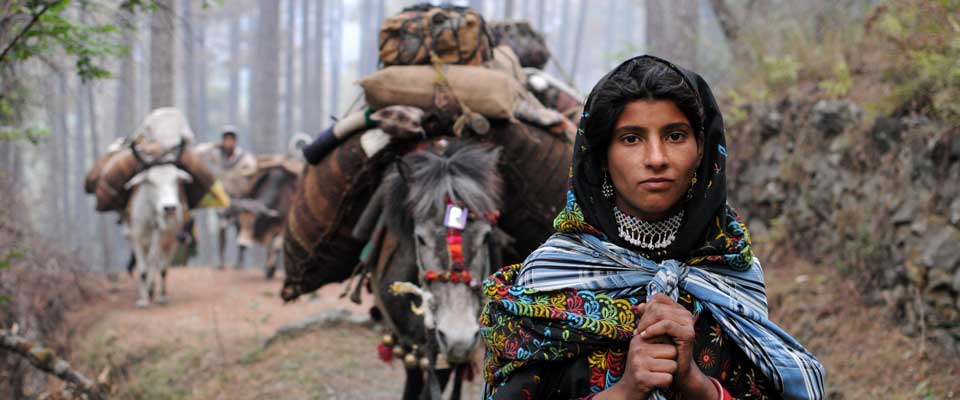
Van Gujjars traditionally move with their buffalo herds between seasonal grazing areas in Uttarakhand and neighbouring regions. Their animals provide milk, manure and household income, making buffalo husbandry central to daily life rather than a separate commercial activity.
For children, this closeness can mean regular access to a fresh animal-source food. It also allows families to preserve milk as yoghurt, cultured buttermilk or clarified butter when refrigeration and reliable transport are unavailable.
Protein For Growth And Development
Buffalo milk supplies high-quality protein, which supports the growth of muscles, organs and body tissues. Children need protein throughout childhood, with particularly important demands during infancy, early school years and periods of recovery from illness.
The milk’s protein is useful, but it cannot provide every nutrient a child needs. Pulses, lentils, eggs, seasonal vegetables, fruit and whole grains help broaden the diet and supply fibre, vitamin C and other essential nutrients.
Energy, Fat And Essential Minerals
Compared with standard cow’s milk, buffalo milk is generally richer in fat and energy. This can be helpful for active children who walk long distances, assist with household tasks or have limited access to calorie-dense foods.
It also contributes calcium and phosphorus for developing bones and teeth, along with vitamin B12 and other micronutrients. Its natural richness means that serving sizes and preparation should suit the child’s age, appetite and overall diet rather than assuming that more milk is always better.
Supporting Children During Seasonal Movement
Migration can disrupt access to anganwadi services, schools, health checks and public food programmes. A dependable household food such as buffalo milk may therefore become especially important during periods when families are away from permanent settlements.
This reality has parallels for Australian audiences familiar with seasonal work, remote communities and the higher cost of fresh food outside major centres such as Sydney, Melbourne or Brisbane. In both settings, nutrition advice works best when it reflects travel, distance, storage and household routines.
Safe Handling Matters
Fresh milk should be collected in clean containers and protected from dust, insects and contact with contaminated water. Boiling or pasteurisation can reduce the risk of harmful microorganisms, while clean hands and utensils remain essential during milking and serving.
Infants under six months should receive breastmilk as recommended by health professionals, and buffalo milk should not replace breastmilk or suitable infant formula at that age. For older children, safe milk can be offered with meals, while families should seek local clinical advice if a child has allergies, persistent diarrhoea or difficulty digesting dairy.
Building A Balanced Meal Pattern
A nutritious meal might combine buffalo milk or yoghurt with millet, wheat, rice, lentils, leafy greens and locally available fruit. Fermented products can be easier for some children to tolerate and may add variety to meals without requiring complex equipment.
Australian families may recognise similar principles in the Australian Dietary Guidelines: dairy foods can support bone health, but children also need foods from several groups. A supermarket carton of milk in Perth or Adelaide is convenient, while Van Gujjar families may rely on household production; the nutritional goal is shared, but the practical route is different.
Community Knowledge And Lasting Nutrition
Improving child nutrition involves more than distributing food. Support for forest rights, secure grazing access, veterinary care, women’s participation and fair milk marketing can strengthen the conditions that allow families to maintain healthy diets over time.
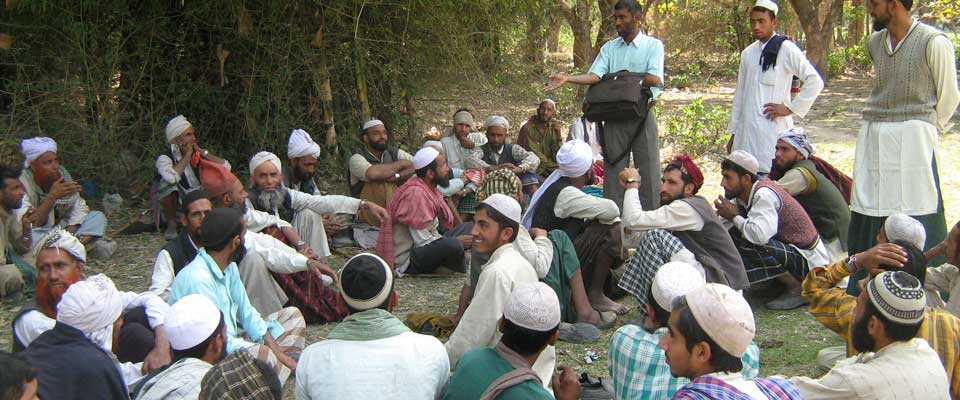
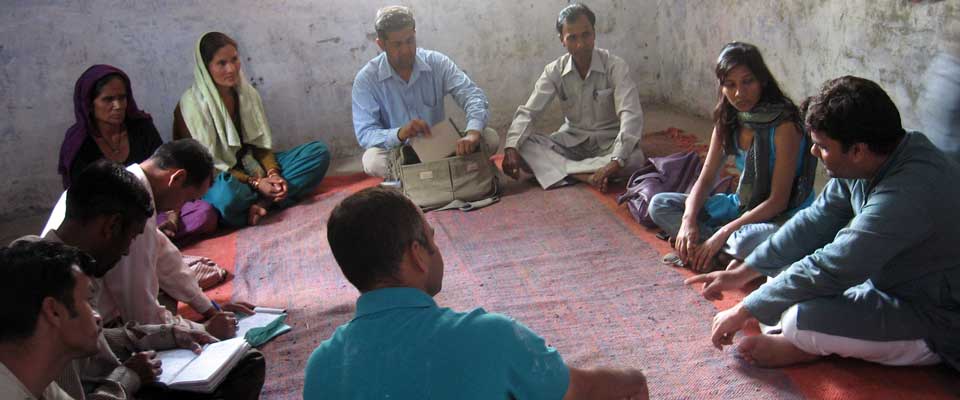
Community organisations can help connect pastoral households with government services, nutrition education and health workers without dismissing local knowledge. Projects that respect Van Gujjar priorities are more likely to be trusted, adapted to seasonal movement and sustained beyond a single intervention.
Readers in Australia can support organisations working alongside Himalayan communities by learning about their programmes, sharing reliable information and contributing through responsible partnerships. Visit SOPHIA’s website to explore its work with Van Gujjar and village communities and help strengthen rights-based, locally led solutions.