


Nourishing health across a semi-nomadic way of life
For Van Gujjar and Himalayan village communities, food is closely connected to forests, livestock, seasonal migration, and access to public services. A semi-nomadic lifestyle can provide fresh milk, gathered foods, and strong community knowledge, yet it can also make a balanced diet difficult to maintain throughout the year.
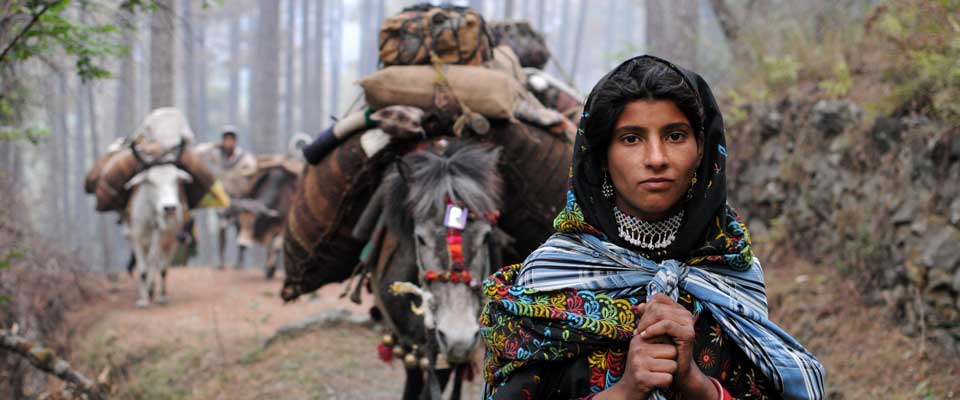
Families moving with buffalo herds may spend months in remote forest areas before returning to permanent or semi-permanent settlements. During these transitions, limited transport, uncertain income, and disrupted access to schools and health centres can shape what people eat and how often they receive care.
The nutritional challenges of a semi-nomadic lifestyle are therefore linked to rights, livelihoods, and infrastructure. Supporting better nutrition requires respect for pastoral traditions alongside practical measures that improve food security and community decision-making.
Seasonal movement and food access
Migration routes influence the availability of vegetables, pulses, grains, fruit, and other nutrient-rich foods. In forest settlements, families may depend heavily on milk, cereals, seasonal produce, and purchased staples. When markets are distant or roads are difficult to use, fresh foods can become expensive or unavailable.
Lean periods may occur when household earnings fall, animals produce less milk, or families are moving between grazing areas. Food supplies can also be affected by weather, forest restrictions, livestock illness, and disruptions to local markets. These pressures may encourage a diet based on filling staples rather than a wider variety of foods.
The role of milk and buffalo husbandry
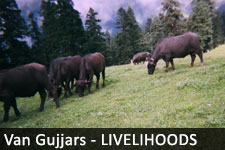
Buffalo milk is an important source of energy, protein, calcium, and household income. It supports children’s diets and helps families meet daily needs when other employment is limited. Traditional knowledge of animal care, grazing, and dairy processing is a valuable community resource.
However, milk alone cannot supply every nutrient required for healthy growth and wellbeing. Diets also need iron-rich foods, vitamin A, vitamin C, folate, fibre, and other micronutrients. When milk marketing is prioritised during periods of financial stress, families may sell a large share of their production and have less available for household consumption.
Common nutritional risks
Children, pregnant women, older people, and those recovering from illness can face the greatest risks when meals lack variety or become less frequent. Iron deficiency may contribute to tiredness and reduced learning capacity, while inadequate protein and micronutrients can affect childhood growth and immune function.
Poor nutrition is not always visible. A child may receive enough calories from grains or dairy while still lacking essential vitamins and minerals. Repeated infections, unsafe water, limited sanitation, and long distances to health services can further reduce nutrient absorption and increase vulnerability.
| Challenge | Possible effect | Community-sensitive response |
|---|---|---|
| Limited access to fresh produce | Low intake of vitamins, minerals, and fibre | Seasonal kitchen gardens, local food distribution, and nutrition education |
| Heavy dependence on staple foods | Low dietary diversity | Promote pulses, leafy greens, eggs, fruit, and locally suitable crops |
| Milk sold to meet household expenses | Less milk retained for family meals | Strengthen fair milk marketing and household nutrition planning |
| Seasonal migration | Interrupted health and nutrition services | Mobile outreach, portable records, and coordinated service delivery |
| Unsafe water and sanitation | Infections and reduced nutrient absorption | Community-led water, hygiene, and sanitation initiatives |
Maternal and child nutrition
Pregnancy and early childhood are critical periods for nutrition. Women may need additional energy, iron, folate, and other nutrients, yet remote locations can make antenatal check-ups, supplements, and counselling difficult to reach. Workloads linked to livestock care, fuel collection, water, and household duties can add to the strain.
Young children benefit from timely complementary foods alongside breastfeeding. Simple, locally available meals combining grains, pulses, vegetables, dairy, and seasonal fruit can improve dietary diversity. Support should be practical, affordable, and adapted to migration patterns rather than based on assumptions about one fixed settlement.
Community-led ways to improve diets
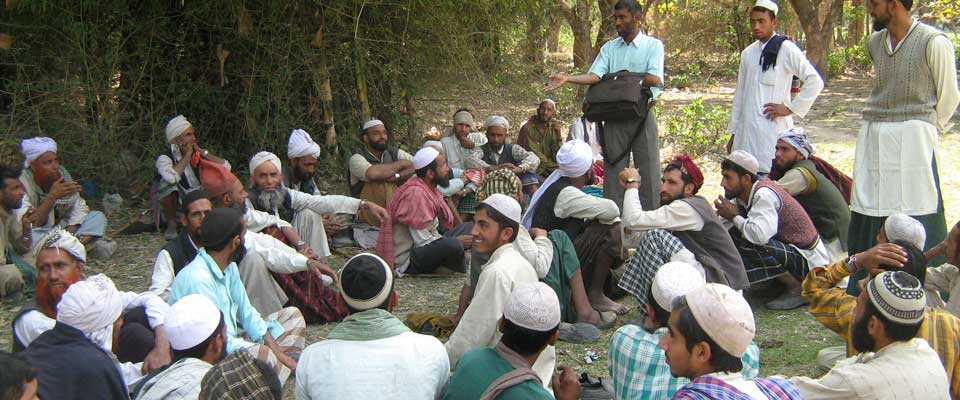
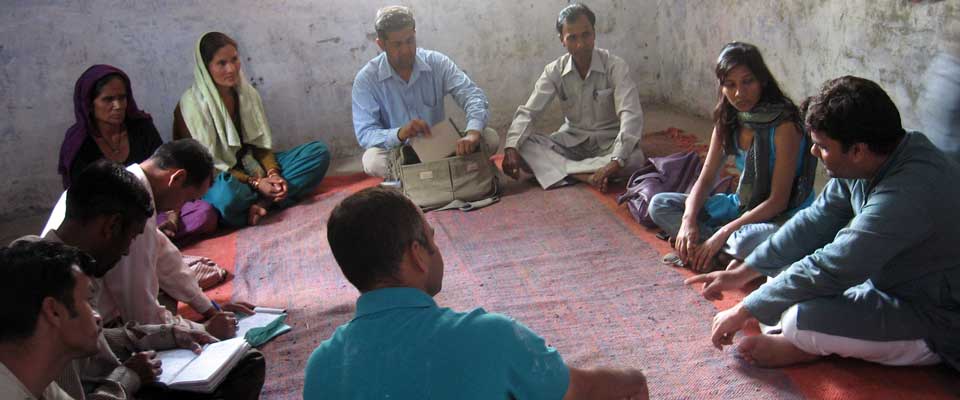
Nutrition programmes are more effective when communities help define priorities and decide how activities should work. Van Gujjar and Himalayan families possess detailed knowledge of edible plants, livestock, seasonal conditions, preservation, and household food practices. This knowledge can guide solutions that are culturally appropriate and realistic.
SOPHIA can support this work through social mobilisation, rights-based advocacy, government engagement, and partnerships with local organisations. Better access to forest and domicile rights, education, health schemes, and fair livelihood opportunities can strengthen the conditions that make nutritious food possible.
Practical priorities include:
- Improve access to public nutrition, health, and social protection services during migration.
- Encourage diverse household diets using locally available pulses, vegetables, fruit, eggs, and dairy.
- Strengthen buffalo health, fodder access, and fair milk marketing so families can protect both income and food supply.
- Support women’s participation in nutrition decisions, community groups, and livelihood planning.
- Promote safe water, sanitation, food storage, and hygiene alongside dietary guidance.
Linking nutrition with rights and livelihoods
A narrow focus on individual food choices cannot address the structural causes of poor nutrition. Families need secure routes for seasonal movement, recognition of customary rights, reliable markets, and accessible public services. When these foundations are weak, even strong nutrition advice may be difficult to follow.
Sustainable pastoral livelihoods can improve household resilience. Healthy buffaloes, fair prices for milk, veterinary support, and opportunities to preserve or process dairy products may increase income while protecting food security. Government departments and civil society partners can work with communities to reduce service gaps without undermining their cultural identity.
Nutrition should be treated as part of community wellbeing and indigenous rights. Listening to families, documenting local priorities, and measuring progress over time can help ensure that interventions address real needs rather than imposing unsuitable models.
SOPHIA’s work with Van Gujjar and Himalayan communities can help connect nutrition, pastoral livelihoods, forest access, and public services. Support community-led action by learning about these issues, sharing accurate information, partnering with local initiatives, or contributing resources that help families secure healthier and more resilient futures.