





The Legal Battle for Domicile Rights of Nomadic Communities in Uttar Pradesh
For nomadic and pastoral communities, domicile is more than a certificate issued by a local office. It can determine access to education, public employment, welfare schemes, land-related services, voting records, and official recognition as a long-standing resident of Uttar Pradesh.
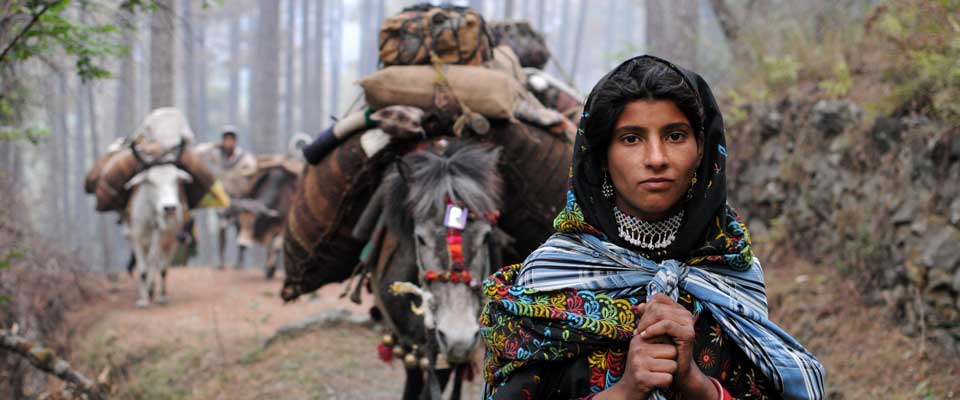
Van Gujjar families and other mobile households often live across seasonal routes linking forests, villages, and grazing areas. Their movement is part of a livelihood system, yet government procedures frequently treat permanent residence as the only acceptable form of belonging. This creates a legal and administrative conflict between customary mobility and fixed-address documentation.
The struggle for domicile rights in Uttar Pradesh therefore involves constitutional equality, access to public services, revenue records, forest governance, and fair treatment by local authorities. It also requires careful documentation and sustained community advocacy.
Why Domicile Matters
A domicile or residence certificate may be requested for school admissions, scholarships, recruitment, social security benefits, and applications under state-specific welfare programmes. Without it, a family can be treated as an outsider even when it has lived, worked, paid local taxes, or maintained social ties in the state for generations.
The problem is especially serious for households whose residence changes with the seasons. A temporary shelter, forest settlement, or traditional grazing route may not fit the address fields used by online portals and government forms. Women, children, and older people can face additional barriers when family records list inconsistent names, villages, or dates of birth.
Constitutional And Legal Foundations
Indian constitutional protections provide an important basis for challenging arbitrary exclusion. Equality before the law under Article 14, protection against discrimination under Article 15, and the right to practise a livelihood under Article 19 can support claims for fair administrative treatment. Article 21 also protects dignity and access to essential conditions of life.
Domicile should not be confused with citizenship, nationality, or permanent ownership of land. A state residence certificate is an administrative document governed by applicable rules and evidence requirements. Officials must apply those rules consistently, give reasons for rejection, and avoid making mobility itself a ground for denial.
| Issue | Common administrative difficulty | Rights-based response |
|---|---|---|
| Proof of residence | No fixed house or utility bill | Accept a range of lawful records and verified community evidence |
| Seasonal migration | Addresses differ across applications | Record permanent community links and explain migration patterns |
| Missing documents | Birth, school, or identity records are incomplete | Use correction, legal aid, and alternative supporting documents |
| Forest habitation | Residence is not reflected in revenue records | Coordinate domicile claims with applicable forest-rights processes |
| Rejection by officials | Oral refusal or unexplained delay | Seek a written order, appeal, grievance remedy, or judicial review |
Evidence Beyond A Permanent Address
A strong application can include identity documents, ration cards, voter records, school certificates, health records, employment documents, land or tenancy papers, and letters from local institutions. No single document may prove every element of residence, but a consistent collection can establish family history and continuing links with a district.
Community testimony can also be significant when formal paperwork is incomplete. Statements from elected representatives, village-level workers, teachers, neighbours, pastoral associations, or recognised community leaders may help explain seasonal movement and longstanding residence. Such evidence should be truthful, specific, and supported wherever possible by official records.
From Office Representation To Court
The first step is usually a written application to the appropriate local authority, commonly through the tehsil or sub-divisional administration. Applicants should retain acknowledgment receipts, copies of documents, online application numbers, and any communication from officials. If an application is rejected, the written reason is essential for deciding whether to seek review or appeal.
Where authorities fail to act or apply requirements inconsistently, affected families may approach legal services institutions for assistance. A writ petition under Article 226 before the relevant High Court can challenge unlawful inaction, unreasonable rejection, or discriminatory treatment. Courts may direct officials to reconsider an application according to law, although they generally do not replace the administration’s fact-finding role.
Community Action And Institutional Support
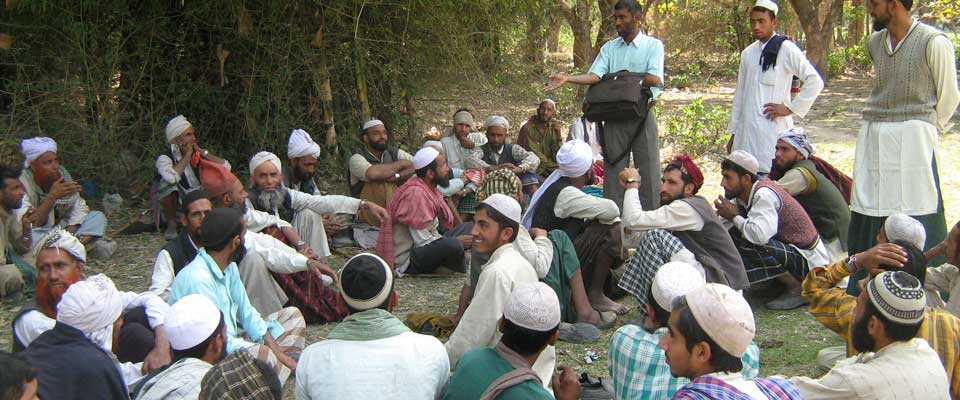
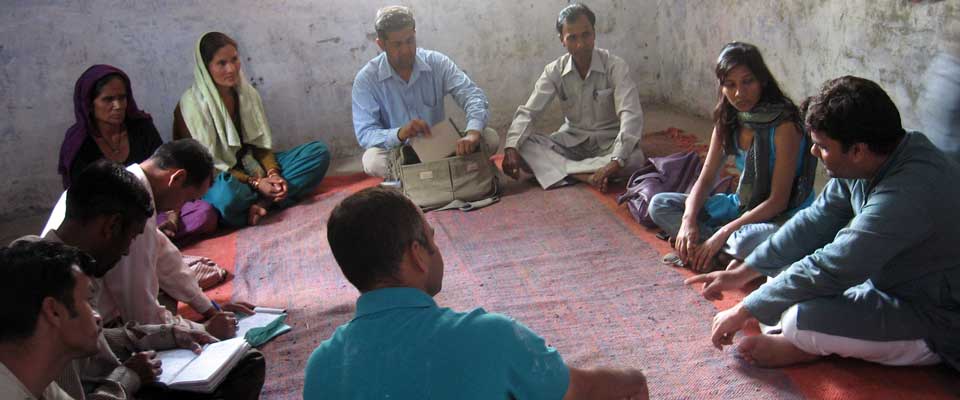
Individual applications often fail when families face the bureaucracy alone. Community mapping can identify households, migration routes, villages of origin, missing documents, and repeated points of rejection. A shared record also helps advocates show that the problem is structural rather than an isolated paperwork dispute.
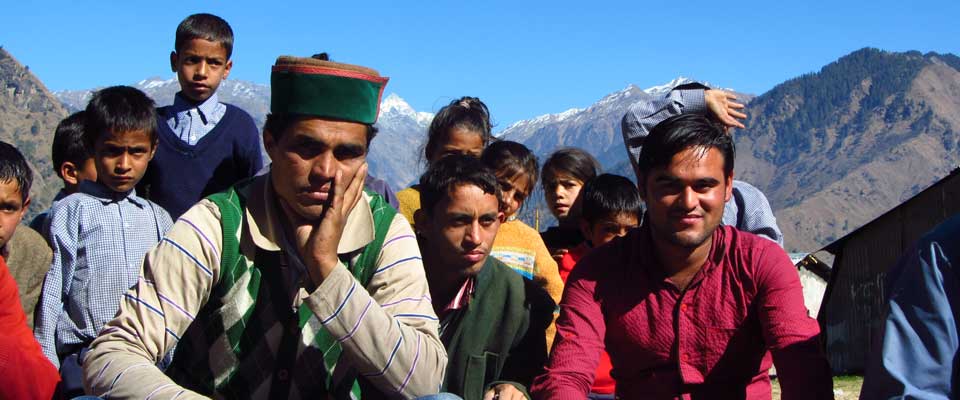
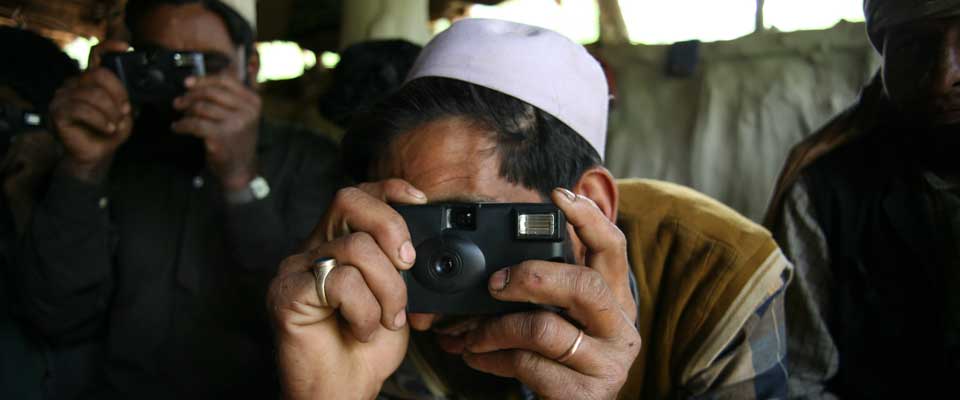
Organizations such as SOPHIA can support rights-based mobilisation by connecting communities with legal aid providers, local officials, researchers, and partner NGOs. Public education is equally important: families need to understand which documents to preserve, how to request written decisions, and how domicile claims relate to forest rights, pastoral livelihoods, and access to government schemes. Visual documentation in the community photo archive can also help communicate the lived reality behind administrative records.
Building A Fairer Domicile Process
A durable solution requires officials to recognise that mobility does not erase residence. Training at tehsil offices, simpler application forms, multilingual assistance, mobile documentation camps, and clear appeal procedures could reduce exclusion without weakening verification standards.
Community representatives should be involved in designing evidence guidelines for pastoral and nomadic families. These guidelines can clarify how seasonal residence, customary routes, family registers, and local testimony should be assessed. Coordination between revenue, welfare, education, forest, and panchayat authorities is necessary because families often encounter several departments for the same basic recognition.
Practical Priorities For Rights Defenders
- Create household files containing identity papers, school records, certificates, applications, and rejection notices.
- Maintain a community register explaining seasonal movement and long-term links with Uttar Pradesh villages.
- Submit applications collectively where the same administrative barrier affects many families.
- Request written reasons for delay or rejection and preserve every acknowledgment.
- Connect affected households with district legal services authorities and experienced rights organisations.
Domicile recognition can become a gateway to education, social protection, and equal participation in public life. SOPHIA’s work with Van Gujjar and Himalayan communities offers a foundation for combining legal advocacy with social mobilisation, government engagement, and protection of sustainable pastoral livelihoods.
Communities, lawyers, civil-society groups, and public officials can help turn scattered applications into a documented rights campaign. Supporting accurate records, legal assistance, and accountable administration is a practical step toward ensuring that nomadic families are recognised as residents rather than treated as permanently temporary.