



How Bollywood Shapes Van Gujjar Youth Aspirations
For Van Gujjar young people in the Himalayan foothills, films, music videos, television serials and social media provide windows into lives far beyond seasonal migration routes. A smartphone can connect a forest settlement with Mumbai, Delhi or Dubai in seconds, carrying images of fashion, education, romance, employment and urban independence.
These media influences do not simply replace pastoral traditions. Young people interpret popular culture through their own experience of buffalo husbandry, forest access, family responsibilities and community identity. The result is a complex mix of ambition and negotiation, where Bollywood dreams meet the practical realities of life in Uttarakhand, Himachal Pradesh and Uttar Pradesh.
Screen Worlds Reach Forest Settlements
Affordable smartphones and mobile internet have made digital entertainment more accessible, even where connectivity remains irregular. Young Van Gujjar viewers may watch films in short sections, share songs through messaging apps or follow influencers when they reach towns with stronger networks. Hindi cinema is especially influential because it combines familiar language with powerful visual stories.
Streaming habits in Australia offer a useful comparison. Many Australians watch content through Netflix, YouTube or free-to-air platforms at home, while young people often use phones during commutes in Sydney or Melbourne. For Van Gujjar families, access may depend on prepaid data, shared devices and journeys between forest camps and nearby markets.
Aspirations Beyond Pastoral Routes
Bollywood often presents success through city life, professional employment and personal choice. Characters become entrepreneurs, officers, performers or university graduates, encouraging young viewers to imagine careers outside traditional herding and milk production. These images can strengthen interest in schooling, vocational training and digital skills.
At the same time, popular stories can make rural livelihoods appear backward or temporary. A young person may feel pressure to leave the community in search of an office job, even when buffalo husbandry provides food security and cultural continuity. Aspirations become healthiest when education opens new paths without treating pastoral knowledge as something to abandon.
Beauty, Masculinity And Belonging
Films and advertising shape ideas about attractive clothing, hairstyles, body image and relationships. Young women may encounter expectations around fairness, slimness and urban fashion, while young men may absorb ideals of wealth, physical strength and romantic confidence. These messages can affect self-esteem and family discussions.
Local culture provides an alternative basis for belonging. Van Gujjar identity is connected to language, kinship, mobility, livestock care and knowledge of forests. Community conversations can help young people distinguish between creative self-expression and commercial pressure, particularly when advertising encourages constant consumption.
Education And Employment Dreams
Media exposure can motivate students to continue education, learn English, explore online courses or seek work in healthcare, teaching, tourism and government services. Films that show determined students overcoming barriers may be especially meaningful for communities facing distance from schools and limited documentation or public services.
Yet entertainment rarely shows the obstacles that shape real opportunities. Domicile rights, forest rights, transport costs, discrimination and access to identity documents can influence whether a young person can study or secure formal employment. Rights-based support must connect aspiration with practical assistance, including scholarships, mentoring and engagement with government institutions.
Women Negotiate Changing Expectations
Female characters in contemporary cinema sometimes present education, paid work and independent decision-making as achievable goals. This can encourage young Van Gujjar women to imagine leadership within community organisations, household enterprises and milk marketing groups. Digital platforms may also help them find information about health, education and legal rights.
Media can create tension when fictional relationships or lifestyles conflict with local expectations around safety, marriage and family responsibility. Supportive discussion spaces are important. Women and girls need opportunities to express their ambitions without being judged for either preserving cultural practices or seeking change.
Stories Can Erase Community Knowledge
Commercial cinema tends to simplify pastoral communities, forests and nomadic movement. Van Gujjar life may be shown as picturesque scenery rather than as a rights-bearing way of life shaped by ecological knowledge and historic relationships with forests. Such portrayals can influence how outsiders, officials and even young community members view their own identity.
Media literacy helps audiences recognise these omissions. Australian schools and public libraries increasingly discuss source evaluation, online safety and representation, while the eSafety Commissioner provides guidance on digital harms. Similar community-led learning can help Van Gujjar youth question stereotypes, identify misinformation and understand whose voices are missing from a story.
From Media Consumers To Community Voices
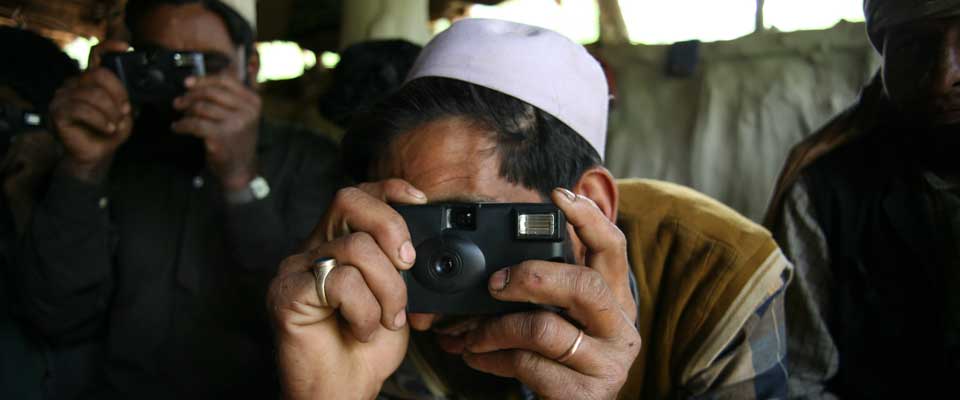
Young people are also becoming creators. Short videos, photography, podcasts and social posts can document buffalo care, seasonal migration, oral histories, forest practices and local markets. This shifts the conversation from how Bollywood represents rural communities to how Van Gujjar youth represent themselves.
Responsible storytelling should protect privacy, avoid exposing sensitive locations and seek consent from families and community elders. It can also support advocacy by showing the value of sustainable pastoral livelihoods to government agencies, urban audiences and potential partners. In the Australian market, where interest in ethical products and Indigenous rights is growing, authentic community media can build informed solidarity rather than charity based on stereotypes.
SOPHIA supports work that places community knowledge, rights and dignity at the centre of development. Australians can contribute by learning about Van Gujjar experiences, sharing reliable information, supporting rights-based projects and engaging with the organisation’s media and photo archive. Ethical partnerships, patient funding and respect for community leadership can help young people pursue new aspirations while keeping their cultural and pastoral heritage visible.