



Tourism and Van Gujjar life around Corbett
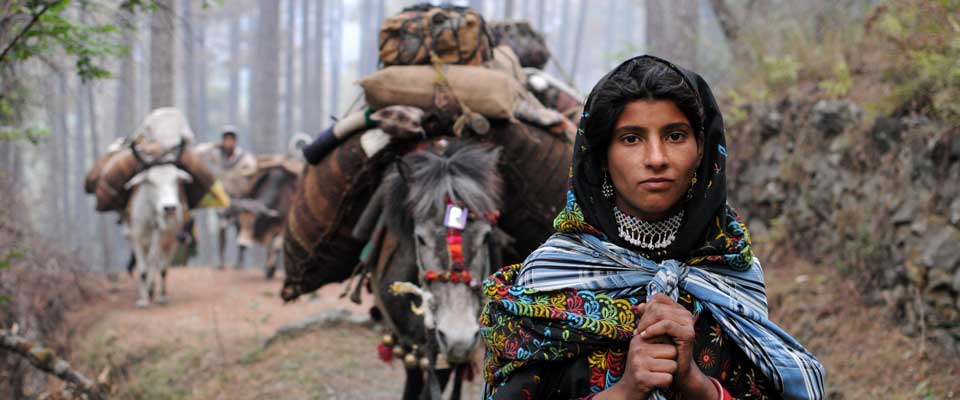
Corbett National Park is widely recognised for its Bengal tigers, sal forests, elephants and river landscapes. It is also part of a living cultural region where Van Gujjar families have maintained pastoral traditions, buffalo husbandry and seasonal movement across the Himalayan foothills for generations.
Tourism brings important income to Uttarakhand. Guides, drivers, homestay owners, small shops and forest-edge businesses can all benefit from visitors. Yet the growth of safari tourism also changes access to land, local prices, employment patterns and the relationship between communities and protected forests.
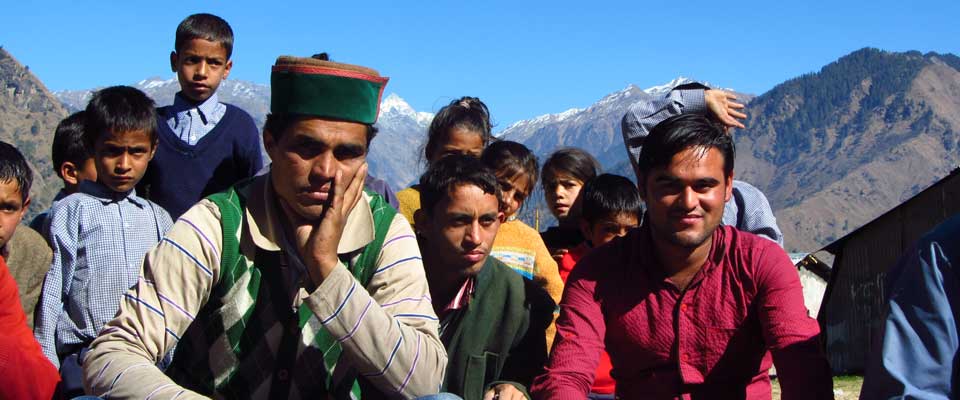
The impact of tourism on Van Gujjar settlements in Corbett National Park therefore cannot be measured through visitor numbers alone. It must be understood through questions of forest rights, secure housing, grazing access, education, health services and the ability of families to make decisions about their own future.
For Australian visitors, the setting may recall wildlife experiences in Kakadu, bushwalking in the Blue Mountains or cultural tourism near Uluru. These comparisons are useful when they encourage respect, though Corbett has its own history, social structures and community priorities. Responsible travel begins with listening to those realities.
A forest economy under pressure
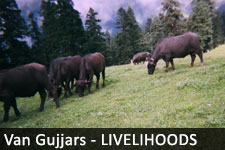
Many Van Gujjar households have traditionally depended on buffalo rearing, milk production, forest fodder and seasonal pastoralism. Their knowledge includes animal care, water sources, forest conditions and routes through changing landscapes. When tourism expands, these livelihoods may receive little recognition compared with safari businesses designed for outside investors.
Land-use restrictions can become more difficult when roads, resorts and visitor facilities are developed near forest settlements. Families may face pressure to relocate or abandon customary practices without receiving secure alternatives. Losing access to grazing areas can raise the cost of buffalo husbandry and weaken milk marketing, which remains central to household income.
Tourism can also increase the price of food, transport and building materials in nearby villages. A job at a lodge may provide useful cash, but seasonal work is often less secure than community-controlled livelihoods. For families in remote areas, the difference between temporary employment and long-term economic security is significant.
When wildlife tourism changes daily life
Wildlife tourism creates demand for jeep drivers, naturalists, cooks, cleaners, maintenance workers and local suppliers. These roles can benefit young people, particularly when training is accessible and recruitment is transparent. However, Van Gujjar residents may be excluded if hiring networks favour people from established towns or if formal qualifications are required for entry-level work.
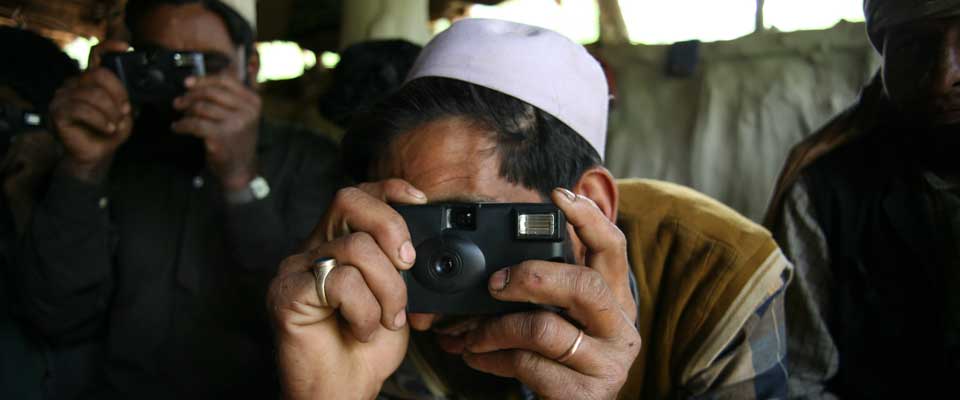
The visitor economy can also reshape local culture. Songs, clothing, pastoral practices and community stories may be presented as entertainment without proper consent or payment. Photographers and travellers sometimes treat settlements as open attractions, overlooking privacy and the dignity of families going about ordinary tasks.
Australian travellers familiar with Aboriginal cultural protocols around Uluru or Kakadu may recognise the importance of asking permission before taking photographs and following community guidance. Similar care is necessary in Uttarakhand. A wildlife holiday should not turn a marginalised community into a backdrop for social media.
What visitors can learn from Van Gujjar communities
Van Gujjar knowledge offers a deeper understanding of the forest landscape. Their experience with buffalo, fodder, water and seasonal movement can contribute to conservation discussions, especially when local people are treated as rights-holders rather than obstacles to protected-area management.
Travellers can support more respectful encounters by valuing community-led information and choosing businesses that explain where their income goes. Useful principles include:
- Ask before photographing people, homes, animals or religious spaces.
- Choose locally owned guides, homestays and transport where available.
- Pay fairly for products, stories, performances and guiding services.
- Avoid buying items made from protected wildlife or rare forest materials.
- Follow local instructions about waste, noise, clothing and access.
These practices are familiar to many Australian bushwalkers who follow Leave No Trace principles in national parks. They also fit the wider Australian ethical travel market, where visitors increasingly look for Indigenous-led experiences and evidence of community benefit.
Building a fairer visitor economy
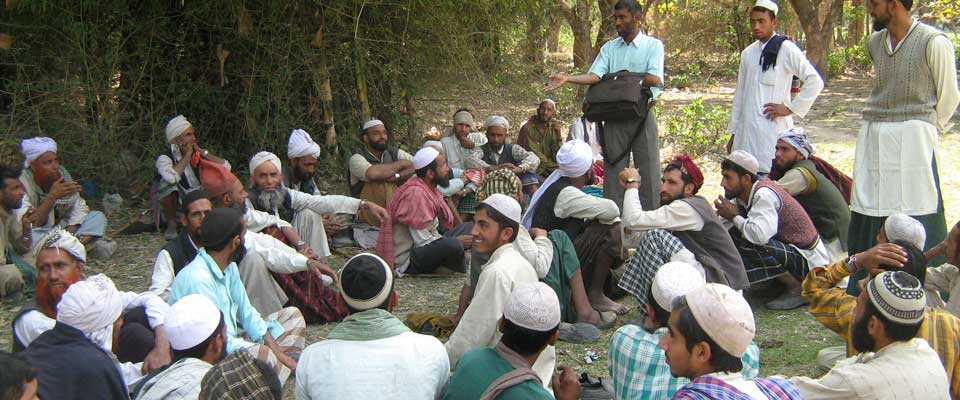
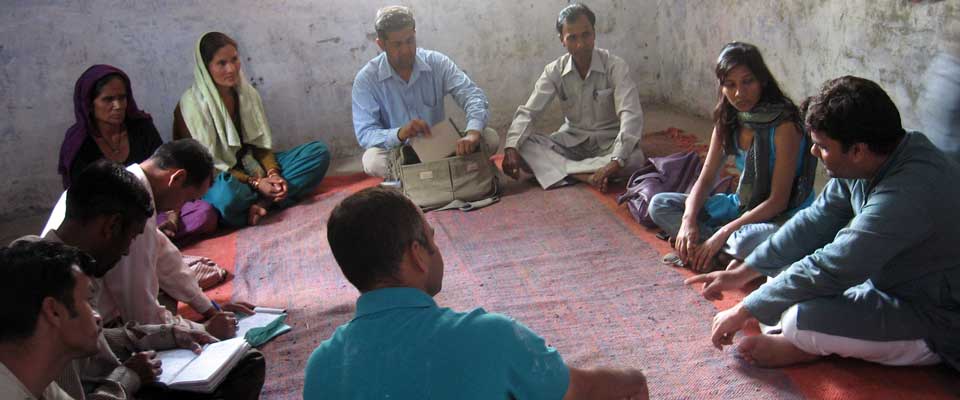
Tourism can support Van Gujjar settlements when communities have a meaningful role in planning, ownership and monitoring. Revenue-sharing agreements, local procurement and skills training can help ensure that tourism income remains in the area. Community institutions also need access to information about permits, conservation rules and government schemes.
A fair approach should include practical safeguards:
- Recognise forest and domicile rights before expanding tourism infrastructure.
- Create transparent pathways for local recruitment and training.
- Include women and young people in tourism and livelihood decisions.
- Invest in milk collection, cold storage and reliable market connections.
- Establish clear rules for photography, research and cultural visits.
For the Australian market, transparent pricing matters. Travellers comparing an itinerary in Melbourne, a safari in India and a family holiday during school breaks want to know what their spending supports. Operators that publish local employment policies and community contributions can build trust more effectively than vague claims about being “eco-friendly”.
A role for informed travellers
Tourists cannot resolve historic inequalities through individual choices, but their decisions influence which businesses grow. A traveller can ask whether a safari company employs local residents, whether a lodge respects nearby settlements and whether community consent was obtained for cultural activities. These questions encourage better standards across the tourism sector.
Support can extend beyond a single visit. Learning about SOPHIA’s work with Van Gujjar and Himalayan village communities, indigenous rights, sustainable pastoral livelihoods and buffalo husbandry helps connect tourism with wider development concerns. Donations, ethical partnerships and responsible sharing of information can strengthen community-led advocacy.
Corbett is valuable because of its wildlife, yet its future also depends on the people whose lives are connected to the forest. Australian visitors can help protect that balance by travelling with patience, spending locally, respecting consent and supporting rights-based organisations such as SOPHIA. Explore the organisation’s projects and community work, then make your next journey contribute to dignity, livelihood security and living forests.