



Protecting Pastoral Routes In A Changing Himalayan Landscape
Across the Himalayan foothills, roads connect villages to markets, schools, health services, and public institutions. For Van Gujjar families and other pastoral communities, however, a new road can also reshape the seasonal movement routes that sustain their herds and livelihoods.
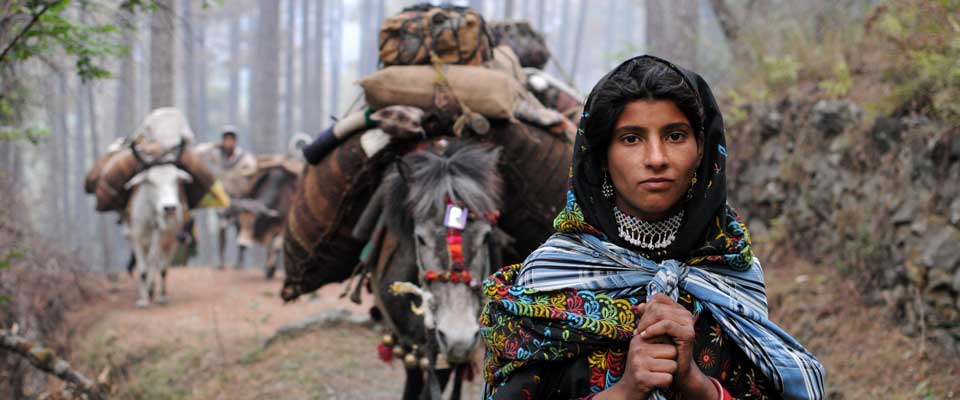
Pastoral migration corridors are more than lines across a map. They include forest passages, river crossings, grazing grounds, resting places, water sources, and access routes used by buffalo herders over generations. When these connections are blocked or altered, the effects can reach household income, animal health, food security, and community rights.
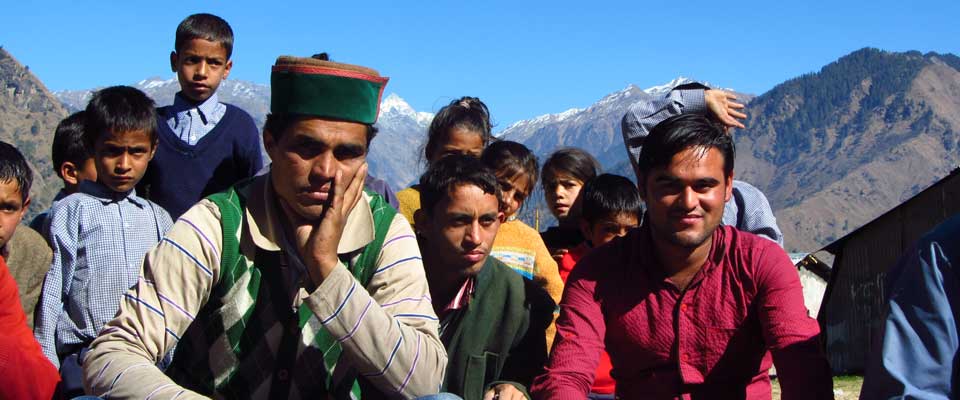
SOPHIA works with pastoral and Himalayan village communities in Uttarakhand, Himachal Pradesh, and Uttar Pradesh to promote informed participation in development decisions. Understanding the effects of infrastructure is an important step toward ensuring that mobility, forest access, and sustainable livelihoods remain part of regional planning.
Why Seasonal Mobility Matters
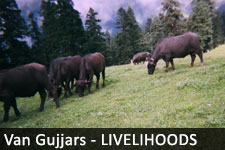
Van Gujjar pastoralism depends on transhumance: families move with their buffalo herds between seasonal locations as weather, forage, and forest conditions change. This movement reduces pressure on individual grazing areas and helps households use diverse ecological zones throughout the year.
Traditional migration paths are shaped by local knowledge. Herders understand where water is available, which slopes are safe, and when particular grasslands can support animals. A road project that overlooks this knowledge may divide a functioning system into disconnected pieces.
Livestock mobility also supports milk production. If animals cannot reach suitable grazing areas or must remain near settlements for longer periods, families may face higher fodder expenses, reduced milk yields, and greater dependence on commercial inputs.
How Roads Disrupt Migration Corridors
Road construction can directly occupy grazing land, narrow forest trails, and cut across routes leading to water sources. Bridges, drainage channels, retaining walls, and construction camps may create barriers that buffalo cannot cross safely. Heavy traffic introduces further risks, particularly where animals must share narrow roads with trucks and buses.
Dust, noise, blasting, and soil disturbance can affect grazing behavior and forest habitats. Construction materials may block streams or contaminate water points. In some locations, roadside fencing and private development create permanent obstacles after the main project has been completed.
The disruption is often cumulative. Several small roads, quarry sites, and settlements can gradually remove the connections between pasture, forest, and village. A route that appears usable on a map may become impractical for large herds during the monsoon or winter migration.
Social And Economic Consequences
When established routes are lost, pastoral families may be pushed toward longer and more dangerous journeys. Animals can suffer injuries, heat stress, or inadequate access to water. Families may also spend more on fodder, transport, veterinary care, and temporary accommodation.
Restricted mobility can affect rights and social relations. Herders may face disputes with landowners, checkpoints, traffic authorities, or forest officials when customary access has not been formally recognized. Women and children often carry a larger share of the additional work created by longer routes and reduced household income.
These pressures can encourage distress migration, herd reduction, or a shift away from buffalo husbandry. Such changes weaken a livelihood system that contributes to local milk supplies and reflects the cultural heritage of indigenous pastoral communities.
| Road-related change | Likely effect on pastoral movement | Practical response |
|---|---|---|
| Road crosses a traditional trail | Herd separation, accidents, delayed migration | Safe crossings, warning signs, and scheduled passage |
| Water source is blocked or polluted | Dehydration and reduced animal health | Protected water points and drainage planning |
| Grazing land is acquired | Fodder shortages and higher costs | Alternative pasture mapping and compensation |
| Traffic increases near settlements | Stress, injury, and conflict | Traffic controls during migration periods |
| Construction camps occupy resting areas | Loss of overnight shelter and sanitation | Designated rest sites agreed with communities |
Planning With Community Knowledge
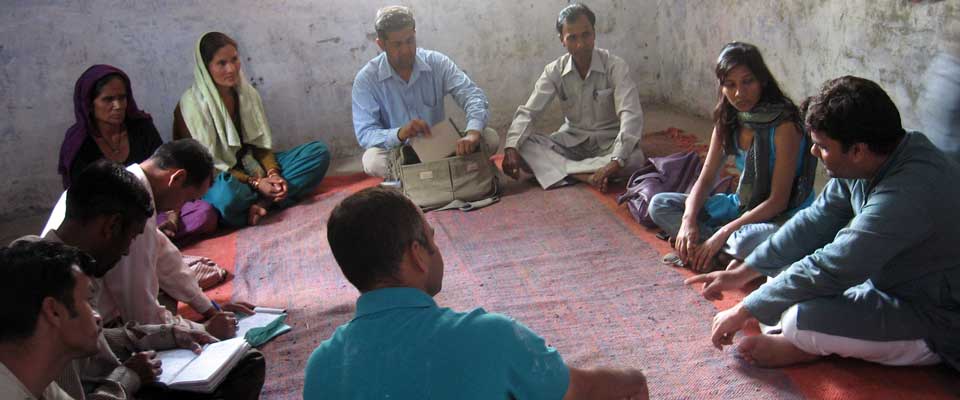
Effective infrastructure planning should begin with participatory mapping. Pastoral households can identify migration corridors, grazing areas, salt licks, water points, seasonal shelters, and locations where animals already face difficulty. This information can complement technical surveys and environmental assessments.
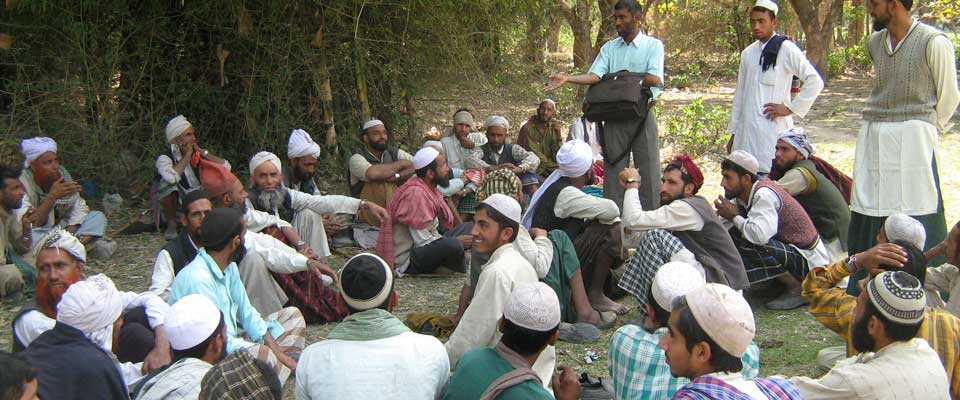
Consultation must be timely and meaningful. Communities need access to understandable project information before routes are finalized, with opportunities to document concerns and propose alternatives. Meetings should include women, elders, mobile households, and families whose customary access may not appear in official land records.
Rights-based planning also requires attention to forest and domicile rights. Recognizing customary use can help public agencies distinguish between unused land and landscapes that support active pastoral economies. Government engagement, legal awareness, and transparent grievance systems are essential when construction affects access.
Designing Safer Infrastructure
Roads and pastoralism can coexist when engineering decisions reflect animal movement. Underpasses, broad culverts, low-gradient crossings, and secure barriers can protect herds from traffic while maintaining access between grazing zones. Drainage structures should be designed so that buffalo can pass without falling or becoming trapped.
Project schedules also matter. Blasting, earthmoving, and heavy vehicle movement can be reduced during peak migration periods. Temporary detours should be wide, stable, and connected to water and resting areas rather than ending at a construction barrier.
Monitoring should continue after a road opens. Community representatives can report blocked passages, damaged water sources, traffic hazards, and changes in grazing access. Local monitoring creates accountability and allows relatively small problems to be addressed before they become permanent losses.
Community-Led Safeguards
SOPHIA’s approach can help connect pastoral experience with public decision-making. Through social mobilization, advocacy, partnerships, and engagement with government departments, communities can build a stronger voice in discussions about roads, forests, land, and livelihood security.
Useful safeguards include:
- Map and legally record seasonal migration corridors before construction begins.
- Include pastoral representatives in environmental and social impact assessments.
- Create safe crossings, water points, and resting places along affected routes.
- Establish clear compensation and grievance procedures for lost access or damaged assets.
- Track impacts on buffalo health, milk marketing, household income, and women’s work.
These measures should be treated as part of responsible development rather than optional additions. Protecting mobility preserves a living relationship between people, animals, forests, and mountain landscapes.
Building Connected Himalayan Livelihoods
Improved roads can benefit pastoral communities when they support access to markets, veterinary services, education, and healthcare without severing the routes on which herding depends. The goal is balanced connectivity: infrastructure that serves villages while respecting seasonal land use and indigenous rights.
Protecting pastoral migration corridors requires cooperation among communities, engineers, forest authorities, local governments, civil society organizations, and road agencies. With accurate mapping and continuous dialogue, construction can be adapted to local realities instead of forcing communities to absorb its costs.
Support SOPHIA’s work with Van Gujjar and Himalayan village communities by sharing reliable information, strengthening community participation, and promoting rights-based development. Together, public institutions and local people can help ensure that safer roads lead to stronger livelihoods rather than restricted movement.