



Protecting Buffalo Health From Pesticide Runoff
Buffaloes depend on clean water, safe grazing and uncontaminated fodder to produce healthy milk. When rain carries insecticides, herbicides or fungicides from cultivated land into streams, ponds and pasture, these chemicals can affect animals far from the original application site.
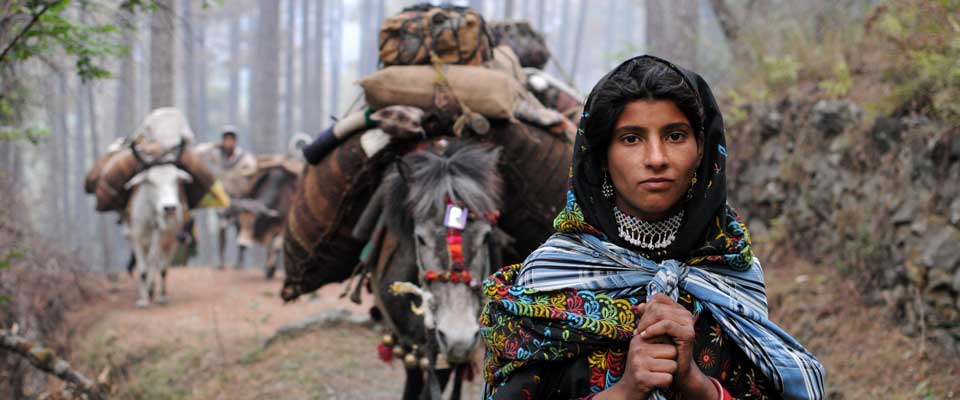
For Van Gujjar pastoralists in the Himalayan foothills, seasonal movement is closely tied to forests, rivers and village grazing areas. A polluted water source can therefore threaten animal health, household nutrition and the income earned from buffalo milk.
The issue also matters to Australian readers. Dairy regions in Victoria, New South Wales and Queensland manage chemical runoff alongside irrigation, storms and changing land use. Lessons from community-based monitoring in India can support practical conversations about clean water, responsible farming and trustworthy milk markets.
How Chemicals Reach Buffalo Grazing Areas
Rainfall can wash pesticide residues from crop fields, orchards, roadsides and stored farm chemicals into creeks and low-lying pasture. Runoff may also carry soil particles containing chemicals that bind to sediment and settle in ponds or river margins.
Buffaloes may be exposed by drinking contaminated water, grazing treated vegetation or eating fodder cut near sprayed fields. Exposure can occur gradually, making it difficult for herders to connect a decline in animal condition with a chemical event several weeks earlier.
In Australia’s Murray–Darling Basin, intense rain after a dry period can move pollutants quickly through drainage channels. Similar flash runoff can affect Himalayan villages during monsoon storms, especially where forest paths, farms and livestock routes meet.
Effects On Buffalo Health
Pesticide exposure can produce immediate signs such as drooling, muscle tremors, weakness, breathing difficulty or loss of coordination. Severe poisoning requires urgent veterinary attention and removal of animals from the suspected source.
Lower-level or repeated exposure may reduce appetite, fertility, growth and resistance to disease. Buffaloes may also experience stress when contaminated water changes its smell or taste, leading to reduced drinking and lower milk production.
Symptoms can resemble heat stress, poor nutrition or infection. Veterinary assessment, a record of spraying and rainfall, and laboratory testing of water, fodder or biological samples are important before drawing conclusions.
What Runoff Can Do To Milk
Chemical residues can enter milk when buffaloes absorb pesticides through the digestive system or lungs and then metabolise them into body tissues. Some compounds may accumulate in fat, which makes testing especially relevant for milk with a naturally higher fat content.
Milk from exposed animals may show reduced volume, altered fat or protein levels, or changes in flavour and shelf life. These changes are not proof of pesticide contamination, yet they can signal that feed, water, animal health and milking hygiene need review.
Australian consumers increasingly look for clear provenance at farmers’ markets in Melbourne, Sydney and Brisbane. Reliable residue controls protect that confidence, whether milk is sold through a cooperative, a local collection centre or a direct household arrangement.
Warning Signs Worth Recording
- Sudden changes in milk yield, taste, colour or consistency
- Buffaloes avoiding a pond, channel or recently treated grazing area
- Tremors, excessive salivation, weakness or unusual agitation
- Dead fish, insects or birds near a shared water source
Safer Water, Feed And Grazing Practices
Communities can reduce risk by mapping water points, recording chemical use upstream and keeping animals away from recently sprayed land. Covered storage tanks and clean troughs are preferable to allowing livestock to drink from drainage channels.
Farmers should follow product labels, observe withholding periods and avoid spraying before heavy rain or when wind may carry droplets towards pasture. Empty containers must never be reused for drinking water or animal feed.
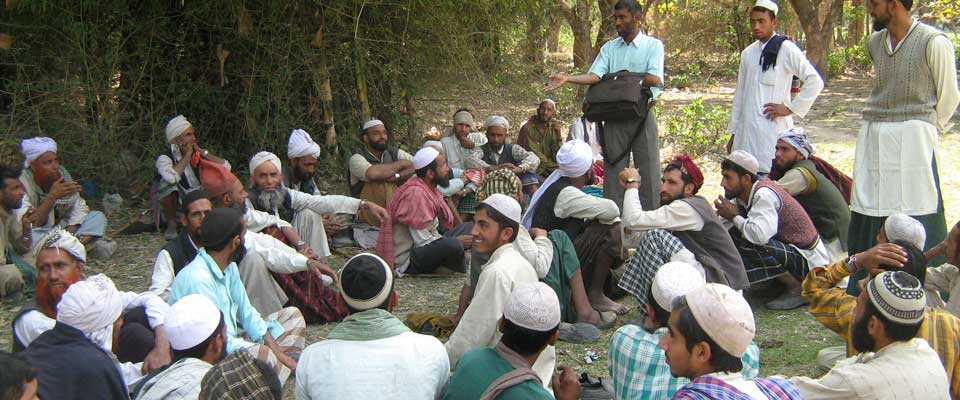
For Van Gujjar communities, locally agreed grazing rules can help protect shared routes and seasonal camps. Australian dairy producers can apply comparable principles through buffer zones, riparian vegetation and farm water plans that reflect local catchments and weather patterns.
Testing And Milk Safety Systems
Visual inspection cannot detect many pesticide residues. Water, fodder and milk samples should be collected carefully, labelled with the location and date, and sent to an accredited laboratory where possible. Testing should target chemicals known to be used in the surrounding area.
Milk should be withheld from sale if poisoning is suspected until qualified veterinary or food-safety authorities provide guidance. Mixing questionable milk with a larger collection can spread risk and undermine the reputation of an entire producer group.
Australia’s Food Standards Code and state dairy regulations provide a useful reference for hygiene, residue limits and traceability. Local requirements differ, so producers should work with agricultural departments, veterinarians and dairy cooperatives rather than relying on informal advice.
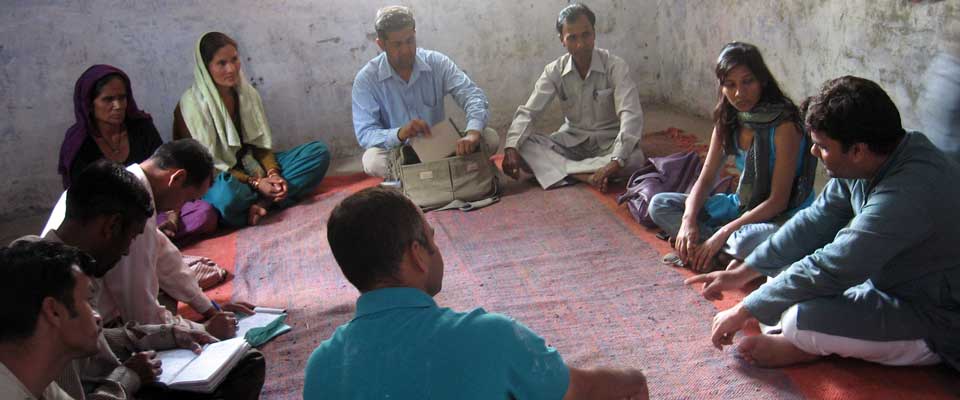
Community Actions That Build Protection
- Create a shared map of springs, streams, ponds and spraying sites
- Keep a seasonal log of rainfall, chemical applications and animal symptoms
- Establish a trusted contact list for veterinarians, laboratories and officials
- Discuss buffer areas with neighbouring farmers before the growing season
Rights, Livelihoods And Collective Advocacy
Clean water is a health issue and a livelihood issue. When milk quality falls, families may lose income, consumers may lose confidence and pastoral communities may face pressure to abandon traditional grazing systems.
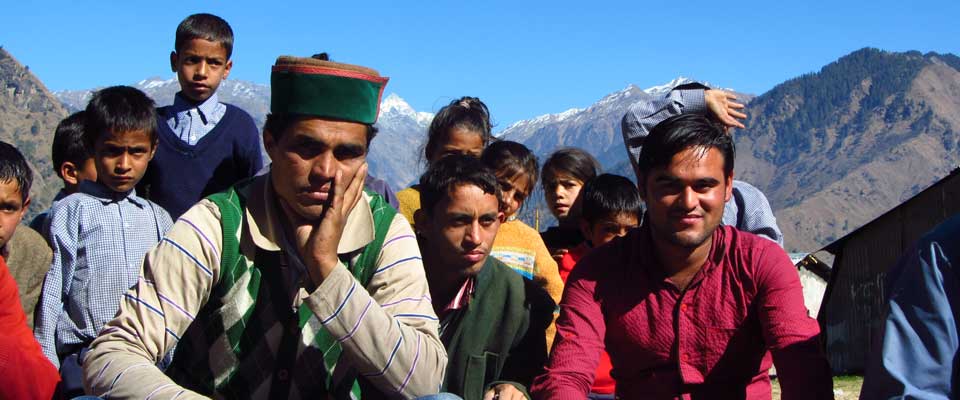
SOPHIA supports rights-based work with Van Gujjar and Himalayan village communities, including forest and domicile rights, sustainable pastoral livelihoods, buffalo husbandry and milk marketing. Community evidence can strengthen dialogue with government agencies and encourage fairer responses when pollution affects shared resources.
Partnerships with NGOs, veterinary services, researchers and responsible buyers can improve monitoring without placing the full burden on individual herders. Australian organisations and consumers can support this work by valuing traceable milk, learning from Indigenous and pastoral knowledge, and backing community-led environmental protection.
SOPHIA’s projects, media archive and community programmes offer ways to understand these priorities more closely. Support the organisation by sharing its work, building responsible partnerships or contributing to initiatives that protect pastoral livelihoods, clean water and safe milk.