




When Rainfall Changes the Route: Pastoral Migration in the Himalayas
For Van Gujjar and Himalayan village communities, seasonal movement is closely connected to rain, grass, water, and animal health. The timing and intensity of the monsoon shape where pastoral families can travel, how long they can stay, and whether buffalo herds reach winter or summer grazing areas safely.
The impact of monsoon patterns on pastoral migration is becoming more difficult to predict. Early rainfall, long dry intervals, cloudbursts, landslides, and unusually wet autumns can disrupt routes that communities have followed for generations. These changes affect household income, milk production, food security, and access to forests and public services.
Why monsoon timing matters
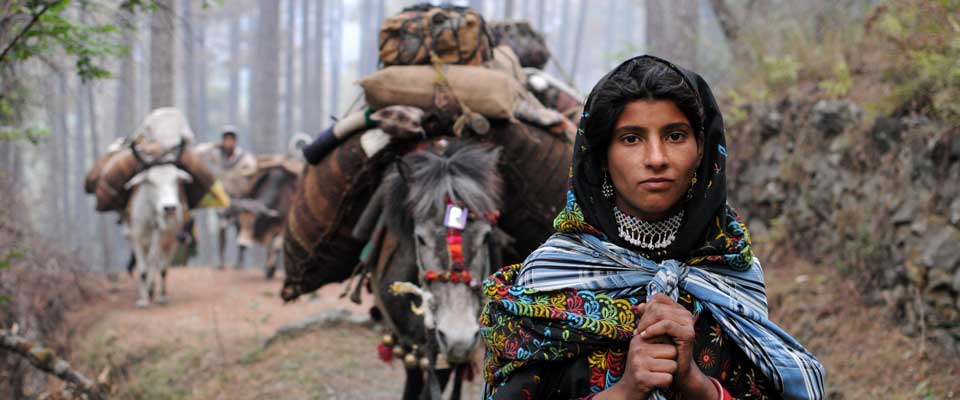
Pastoral migration follows ecological calendars rather than fixed dates. Families move with their buffaloes between forest edges, river valleys, foothills, and higher grazing areas as forage conditions change. Monsoon rain supports the growth of grasses and other fodder, replenishes springs, and improves access to drinking water for people and livestock.
When rainfall arrives at the expected time, herders can plan departures, resting points, fodder collection, and milk marketing. A delayed monsoon may leave lowland pasture dry and reduce water availability. Intense rain over a short period can create a different problem by washing away paths, damaging bridges, and making steep routes unsafe.
Disrupted routes and changing pasture
Heavy precipitation can trigger flash floods, slope failures, and erosion along migration corridors. A route that is accessible in a normal year may become dangerous for families moving with large buffalo herds. Temporary displacement can also force herders to use unfamiliar paths, increasing the risk of conflict over grazing space or encounters with wildlife.
Rainfall variability changes pasture quality as well. Extended wet conditions may encourage plant growth, but waterlogged ground can damage hooves and increase disease exposure. If rain is followed by heat, grasses may mature quickly and lose nutritional value. Herders then need larger grazing areas or additional purchased feed, raising the cost of pastoral production.
Effects on buffalo husbandry and milk
Buffalo depend on reliable water, shade, fodder, and safe resting grounds. Monsoon-related stress can reduce appetite and milk yields, while muddy enclosures increase the likelihood of infections and injuries. Calves and older animals are particularly vulnerable during long journeys or periods of poor pasture.
Milk marketing is also affected when roads become impassable or collection points close temporarily. Families may have to sell milk locally at lower prices, process it into products with a longer shelf life, or absorb losses. These pressures can weaken an already fragile livelihood system and encourage younger members to seek other work.
| Monsoon condition | Likely effect on migration | Practical community response |
|---|---|---|
| Delayed or weak rainfall | Poor pasture and reduced water access | Delay movement, conserve fodder, identify alternate water sources |
| Short periods of intense rain | Flooding, landslides, and damaged trails | Monitor routes, coordinate safe crossings, use temporary shelters |
| Long wet spells | Mud, livestock illness, and transport disruption | Improve drainage, strengthen animal care, protect milk collection |
| Erratic post-monsoon rain | Uncertain pasture recovery and altered departure dates | Use local weather observation and flexible migration calendars |
Traditional knowledge and local observation
Van Gujjar and village communities hold detailed knowledge of springs, grazing grounds, forest conditions, animal behavior, and safe travel routes. This experience can help interpret rainfall changes at a local level, especially where formal weather information is too general or unavailable in time.
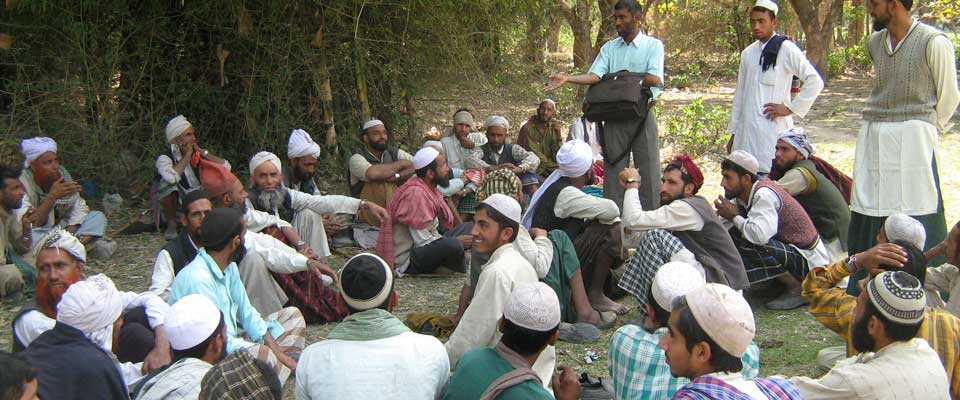
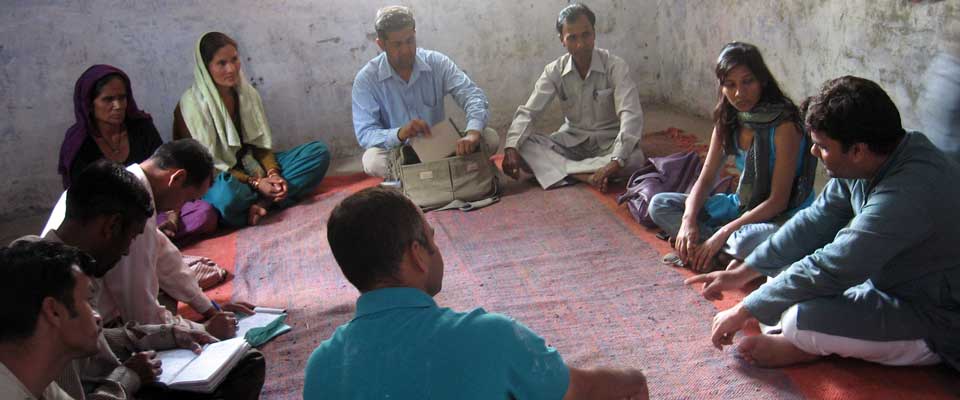
Community mapping can bring this knowledge together with rainfall forecasts, river alerts, and information from forest and disaster management authorities. Shared migration calendars can help families coordinate movement, reduce pressure on particular pastures, and communicate early when a route or bridge is unsafe.
Rights, access, and climate resilience
Adaptation depends on secure access to forests, grazing areas, water sources, and traditional routes. When communities lack recognition of forest and domicile rights, monsoon disruptions can become more severe because families have fewer alternatives. Temporary restrictions or unclear access arrangements may prevent herders from reaching suitable pasture after a flood or drought.
Rights-based support should include participation in decisions about forest management, disaster planning, livestock services, and rural infrastructure. Safe bridges, all-weather paths, veterinary outreach, fodder banks, and accessible milk collection can reduce the economic impact of extreme weather while respecting pastoral mobility.
Priorities for community-led adaptation
- Record migration routes, water points, shelters, and hazard locations through participatory community mapping.
- Combine local observations with reliable weather and early-warning information in accessible languages.
- Develop flexible movement calendars that account for delayed rainfall, flood risks, and changing pasture conditions.
- Strengthen buffalo health services, fodder storage, vaccination, and emergency animal care near migration corridors.
- Build regular coordination among pastoral groups, village institutions, forest officials, local government, and milk markets.
Working together across the migration landscape
SOPHIA can help connect community experience with government engagement, social mobilization, advocacy, and partnerships among civil society organizations. Supporting Van Gujjar and Himalayan communities means treating pastoral mobility as a valuable livelihood and cultural system, rather than as an obstacle to development.
Community-led monitoring and practical investment can make migration safer while protecting indigenous rights and local ecosystems. Support SOPHIA’s work by learning from the communities it serves, sharing its field priorities, and contributing to projects that strengthen sustainable pastoral livelihoods across Uttarakhand, Himachal Pradesh, and Uttar Pradesh.