


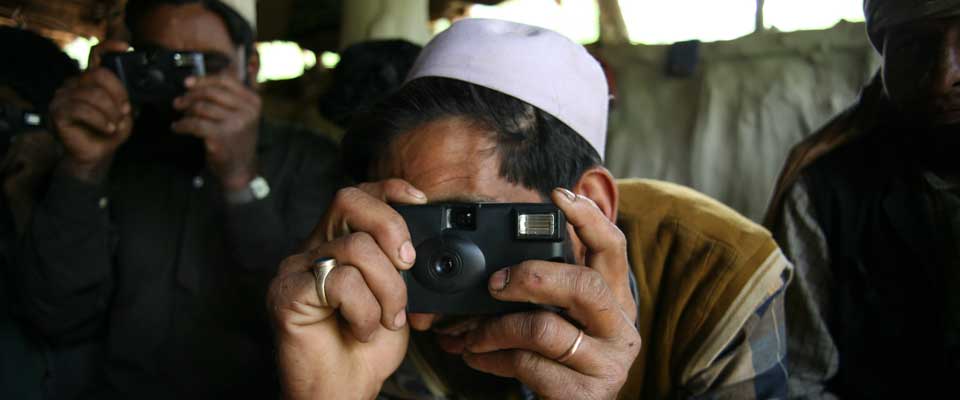



How mobile phone networks shape communication during seasonal migration
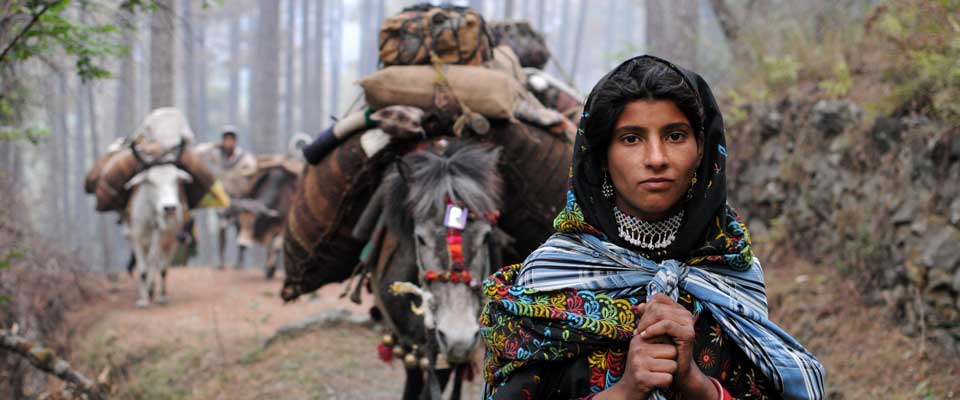
Across the foothills of the Himalayas, Van Gujjar families still move with their buffalo herds between summer highlands and winter lowlands, following centuries-old routes through Uttarakhand, Himachal Pradesh, and Uttar Pradesh. Mobile phone coverage has reshaped how these pastoralists coordinate movement, reach markets, and stay in touch with relatives and government services along the way. The spread of affordable handsets, prepaid recharge, and low-cost data plans has quietly transformed what was once an isolating journey into a more connected experience.
For NGOs working alongside indigenous communities, the shift carries both opportunity and responsibility. Reliable connectivity during migration helps safeguard forest and domicile rights, supports milk marketing logistics, and opens new channels for social mobilisation. It also raises questions about digital divides, language accessibility, and the durability of networks in remote terrain. The story is not simply about technology arriving in a landscape; it is about how communication infrastructures intersect with cultural practice, livelihood decisions, and human rights.
Connectivity along the migration trail
In the upper catchments of the Yamuna and Tons rivers, cellular towers have been added over the past decade, although coverage remains patchy in densely forested stretches. Many families now carry dual-SIM handsets, switching between operators as the herd crosses administrative boundaries. Prepaid recharge vouchers available at small roadside shops keep costs manageable for households whose income depends on milk sales in towns such as Dehradun, Saharanpur, and Rishikesh.
Australian parallels are easy to find. In the outback, stations spanning thousands of square kilometres rely on Telstra's rural network for everything from bore runs to medical evacuations coordinated through the Royal Flying Doctor Service. The Commonwealth's Mobile Black Spot Program has funded hundreds of new towers since 2015, much as India's Universal Service Obligation fund has financed sites in remote districts. Both countries confront the reality that seasonal movement, whether of cattle or of people, exposes gaps that fixed infrastructure struggles to cover.
The pattern of mobile use along the trail is shaped by terrain and weather. Storms, landslides, and dense sal forests cut signal strength unpredictably, so pastoralists often plan movement around known coverage windows. Messages about water availability, grazing rights, or family welfare are queued for sending when the signal returns. This practice mirrors what grey nomads do along the Stuart Highway, where travellers stockpile texts and rely on community-sourced coverage maps before heading into central Australia.
Voice, video, and the changing rhythm of pastoral life
A decade ago, news of a buffalo falling ill or a relative falling pregnant travelled slowly, often through intermediaries at forest checkposts. Today, a short video clip shared over WhatsApp can confirm the health of an animal before a long drive, and a voice note in Gojri can update elders waiting in the winter camp. The cultural significance of this shift is hard to overstate: it shortens distances, preserves dialects, and gives younger herders a way to remain engaged with both the herd and the household.
Milk marketing has been particularly affected. Cooperatives and private buyers in Uttar Pradesh now coordinate pickups via phone, allowing families to negotiate better prices before the herd arrives at a collection point. In Australia, dairy operations across Gippsland and Tasmania use a comparable mix of text, app-based ordering, and farm-management software; the difference is largely one of scale and formality, not of underlying behaviour. Both contexts show how a simple mobile signal can shift bargaining power towards the producer.
Reliance on personal devices introduces new vulnerabilities. A lost handset in the monsoon can mean losing contact details for an entire season, and a single damaged charger in a remote stretch can silence a household. Field teams working with SOPHIA have observed that backup power banks, spare cables, and shared community phones help reduce these risks, yet the question of who bears the cost remains unresolved.
Rights, identity, and digital documentation
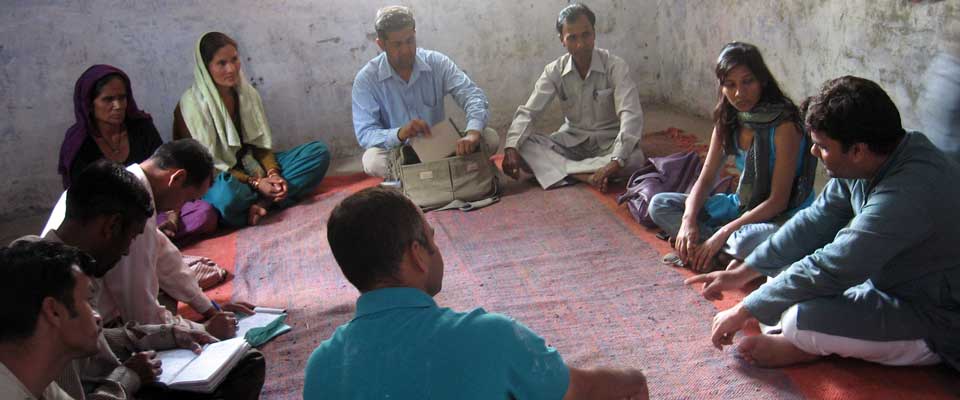
For Van Gujjar communities, mobile phones are increasingly tools of citizenship as well as conversation. Photographs of forest produce, recordings of meetings with forest officials, and location-tagged notes about grazing sites can support claims under the Forest Rights Act and help establish domicile. When a family migrates and a bureaucratic deadline falls during their absence, a phone call to a local NGO or community leader can sometimes bridge the gap.
Comparable dynamics appear in Australia, where Aboriginal and Torres Strait Islander organisations have used mobile evidence to support native title claims and cultural heritage protections. In states such as New South Wales and Queensland, community-controlled legal centres help claimants gather digital records while remaining on country. Documentation gathered in real time by the people themselves often carries weight that third-party reports cannot replicate.
Language remains a barrier. Gojri, Pahari, and other Himalayan tongues have limited representation on mainstream operating systems, which pushes families towards Hindi or English interfaces. Partners of the organisation have begun recording voice-based complaint systems that do not require literacy, drawing inspiration from Australian services that offer Aboriginal English and First Nations language options on health and welfare hotlines.
Connectivity gaps and the gender dimension
Women in migrating households often have less direct access to phones, particularly when handsets are shared or controlled by male relatives. Community surveys carried out in the last two years suggest that women frequently depend on neighbours' devices for calls to health workers, while their own contact with government maternity services drops sharply during the migration season.
The same gap has been documented in remote Australia, where women in pastoral zones report poorer mobile coverage at homesteads than men experience in vehicle cabs. Programmes funded through bodies such as the Australian Competition and Consumer Commission and the Department of Infrastructure have begun addressing this disparity by funding towers near clinics and community halls, recognising that equitable access is not simply a matter of distance.
When women gain reliable access, the benefits extend across the household. Antenatal advice, school enrolment queries for children travelling with the family, and updates on subsidy schemes become routine rather than exceptional. A single well-timed call from a migration camp can mean the difference between a child staying enrolled and a child falling behind.
Practical steps for stronger communication during migration
- Distribute dual-SIM, low-cost handsets with replaceable batteries suited to monsoon conditions.
- Establish community charging hubs powered by solar panels at key grazing halts and winter camps.
- Train community members in basic phone maintenance and in documenting forest or grazing incidents.
- Develop voice-based information platforms in Gojri and other local languages, avoiding literacy barriers.
- Coordinate with telecom operators and the Universal Service Obligation fund to fill coverage gaps along migration routes.
- Keep spare chargers, cables, and power banks available at partner offices in towns like Dehradun and Saharanpur.
If the work of organisations like SOPHIA resonates with you, consider supporting community-led connectivity initiatives through donations, volunteering, or partnerships that prioritise indigenous voices in technological change. Reach out via the SOPHIA website to learn how seasonal pastoralists are shaping the next chapter of mobile communication across the Himalayan foothills.