



When the Law Moves: How Land Acquisition Reshapes Van Gujjar Lives
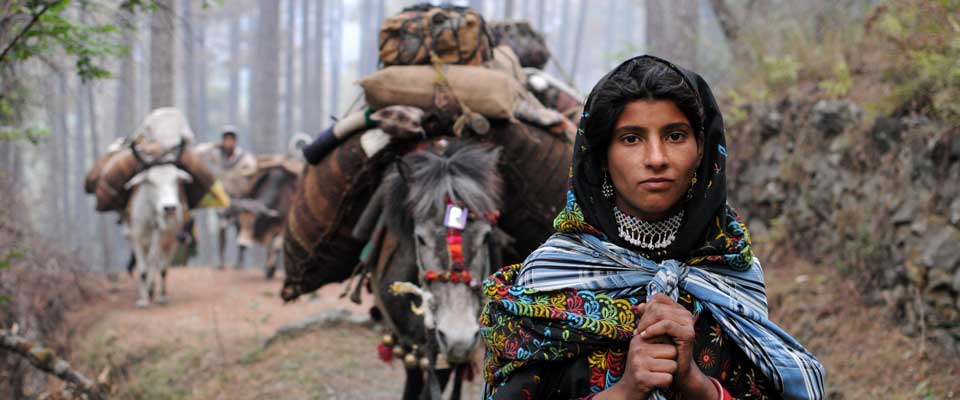
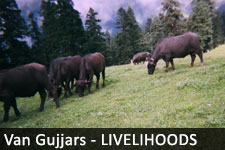
For the Van Gujjar community, the forest is not a backdrop. It is a calendar. Each year, families move with their buffaloes from the foothills in winter up into the high meadows of Uttarakhand and Himachal Pradesh as the snow melts, returning before the cold descends. Australian readers may recognise something familiar in this rhythm. The cattlemen of the Snowy Mountains have long driven mobs between low and high country, and Aboriginal people across the continent speak of Country as something cared for through movement, season after season.
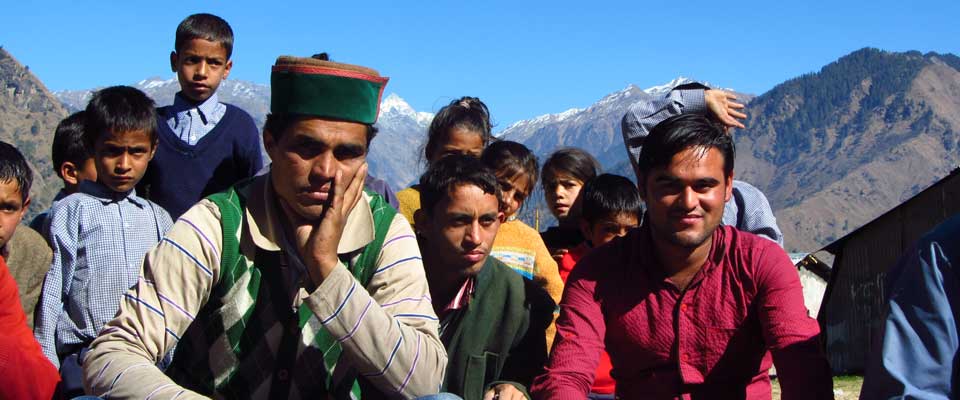
SOPHIA works alongside Van Gujjar families to protect this way of life. One of the sharpest pressures comes from the way modern land acquisition laws treat their temporary settlements. When the state classifies these seasonal homes as encroachments rather than customary dwellings, families lose access to grazing grounds, water points and the routes between them. The effect is rarely a single dramatic eviction. More often it is a slow narrowing of space, year after year, until a winter camp or a summer halt must shift again.
A calendar written in hooves and grass
Transhumance is a finely tuned response to altitude and rainfall, refined over centuries. Families know which glades hold water longest into the dry months, which ridges shelter calves, and which bugyals will receive the first flush of monsoon grass. Their temporary settlements sit at the joints of this knowledge. To call them temporary is accurate only in a narrow legal sense; in every other sense they are permanent fixtures of a moving household.
Australian alpine country holds echoes of this. In Kosciuszko National Park, families whose forebears took cattle up to the high plains in the nineteenth century still speak of the huts and seasonal runs as part of who they are. When policy treats seasonal presence as illegitimate, it erases a body of ecological knowledge that no map can replace.
Statutes that forget the moving household
Three overlapping regimes shape what happens to Van Gujjar land. The Indian Forest Act regulates movement inside reserved forests. Wildlife protection laws restrict grazing in declared sanctuaries. Land acquisition statutes, designed for industry and infrastructure, now reach into village forests and revenue lands where families have wintered for generations.
Australia has walked a similar path. The Native Title Act 1993 emerged from the recognition, after the Mabo decision, that pastoral leases had extinguished many Indigenous rights in law but not in practice. The lesson is that statutes written without mobile peoples in mind tend to flatten them into trespassers. Where Van Gujjar claims have been filed under the Forest Rights Act 2006, mapping seasonal routes as a single connected claim, the approach has sometimes shifted a forest officer's understanding of what counts as legitimate use.
When the corridors close
The damage often appears first in the corridors. A four-lane highway expanding through the Shivalik foothills does not need to bulldoze a settlement to disrupt it. Once the median cuts across the path between winter camp and summer halt, the herd must be driven around it, through unfamiliar ground, at greater cost. A railway line, a transmission corridor or a township buffer can have the same effect.
In New South Wales, upgrades to the Hume and Pacific highways did something comparable to Aboriginal pathways on the coastal plain. Communities responded by documenting routes and insisting on underpasses, crossings and recognition in planning. The maps SOPHIA helps build can serve the same evidentiary purpose.
The economics of a shrinking pasture
Buffalo husbandry and the milk marketing collectives SOPHIA supports depend on herd numbers, and herd numbers depend on grazing. When summer meadows shrink, families sell animals early. Where winter water points fall inside a project zone, milk yields drop and families lose bargaining power. Pastoral leases across Outback Queensland tell a similar story during prolonged drought: when the run shrinks, the family shrinks with it, and a way of life that once supported several generations narrows to one.
Women carry the cost most visibly
Walking, processing, negotiating with officials, carrying fodder during lean weeks: these tasks fall overwhelmingly to women. When a settlement is asked to move, women must scout the new ground, replant kitchen gardens, walk further for water and rebuild the informal networks through which milk is collected. Aboriginal women in remote Australia have described the same pattern, and the same exhaustion when Country is fenced off.
Community voice and patient recognition
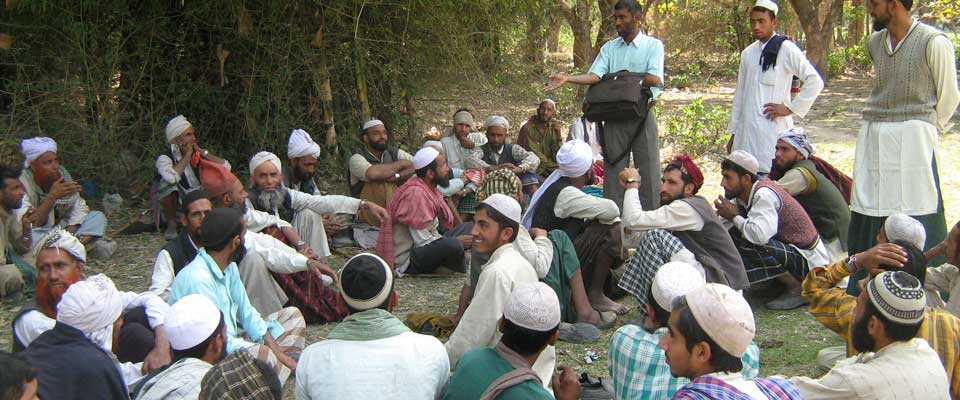
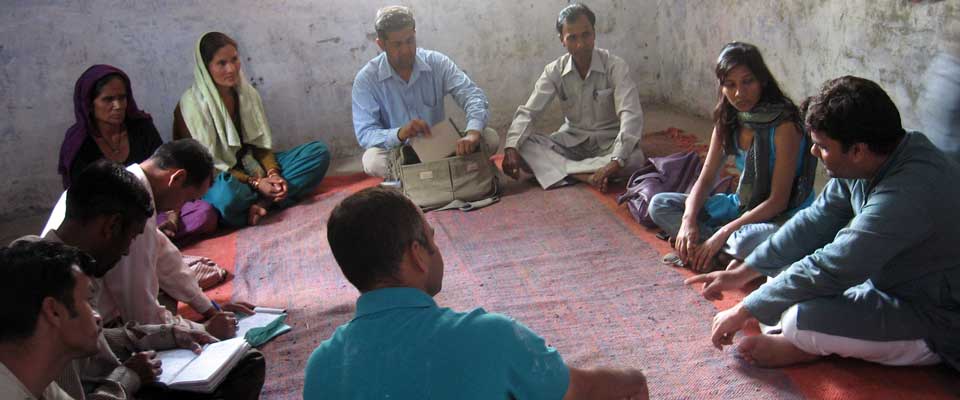
SOPHIA's approach rests on rights-based advocacy, social mobilisation and patient engagement with government. Community claims under the Forest Rights Act, mapping exercises and partnerships with aligned NGOs have produced scattered but real results. Some communities have secured interim protection while claims are heard. Others have negotiated relocation packages that recognise, on paper, the loss involved. Indigenous Land Use Agreements in Australia, where Traditional Owners and miners or pastoralists negotiate what survives of Country, offer a procedural model worth studying.
A fair go and a long memory
Australians often speak of wanting a fair go for people doing it tough, and of carrying a long memory about places. The Van Gujjar have both. Their seasonal settlements are not a problem to be solved but a way of being that has produced ecological knowledge, regional milk economies and cultural continuity for centuries. Land acquisition laws written for fixed farms and fixed towns will always struggle with mobile communities, and the task is to bring the law closer to the people it touches.
Practical ways to stand with Van Gujjar families
- Read SOPHIA's project updates and share seasonal route maps with networks interested in Indigenous rights.
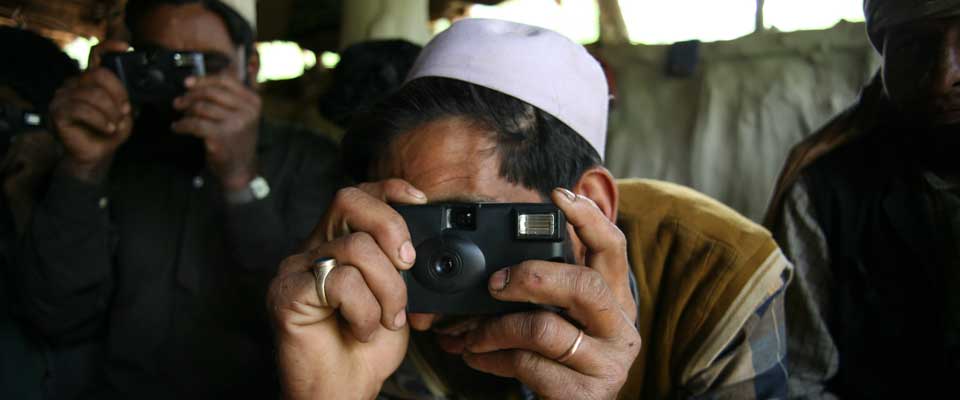
- Fund GPS and camera equipment for community mapping teams so corridors and water points are documented.
- Encourage Australian organisations working on Native Title and Indigenous Land Use Agreements to share procedural lessons with SOPHIA partners.
- Amplify Van Gujjar voices through university seminars on pastoralism, conservation and displacement.
- Contribute to milk marketing cooperatives so families whose grazing shrinks still have an income floor.
- Write to MPs in Canberra about including mobile pastoral communities in any cross-border climate and biodiversity policy.
SOPHIA's work rests on a simple idea: the journey of one forest community is also a question for everyone who values the right to stay on Country. If this stirred something in you, visit the SOPHIA website, subscribe to project updates, donate to the milk marketing collectives, or get in touch about partnership opportunities. A fair go for the Van Gujjar is a fair go for the principle that movement is not trespass and that a forest can be a home.