



How Forest Checkpoints Reshape Van Gujjar Herding
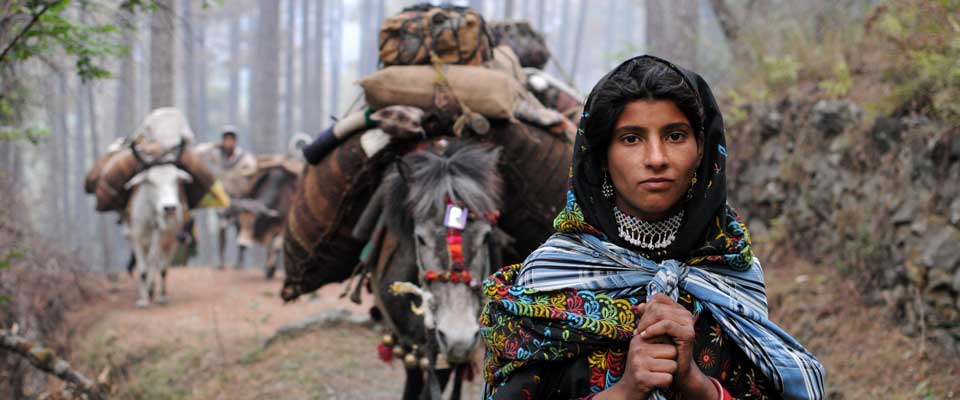
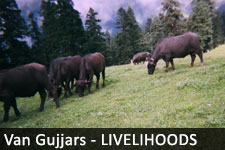
For Van Gujjar families in the Himalayan foothills, moving buffalo between seasonal grazing areas is a carefully timed livelihood rather than a simple journey. Herding routes connect forests, water sources, temporary settlements and local milk buyers. A checkpoint placed along that route can alter the rhythm of an entire day.
Forest Department checks may involve permits, identity documents, livestock records or questions about access rights. When procedures are unclear or applied inconsistently, families can face long waits, missed grazing windows and lost income. Understanding these effects helps explain why forest and domicile rights are central to SOPHIA’s work with pastoral communities.
A Morning Route Becomes A Timetable
Herding usually begins early, before heat builds and before buffalo need to settle near water. Families may plan their departure around a narrow passage, a forest barrier or an expected meeting with a milk collector. A checkpoint can interrupt this routine, leaving animals crowded together and handlers unable to reach the next pasture at the planned time.
The delay is practical as well as financial. Buffalo may return late, produce less milk or become stressed after standing for hours. A household that sells fresh milk locally cannot always postpone delivery until the next day. This pressure is familiar to Australian readers who see early-morning dairy collections and farmers’ market schedules in cities such as Melbourne or Brisbane, where timing affects freshness and price.
Paperwork Can Become A Barrier To Rights
The Forest Rights Act 2006 provides an important legal framework for recognising the rights of forest-dwelling communities in India. Yet having a legal entitlement and being able to demonstrate it at a roadside or forest checkpoint are different experiences. Families may hold community knowledge, customary routes or pending claims that are not easily represented by a single document.
Repeated questioning can also make seasonal movement feel conditional. Herding communities may avoid certain paths, separate animals into smaller groups or spend money on transport and feed to bypass an area. These adaptations reduce the security of pastoral livelihoods and can weaken intergenerational knowledge about grazing, water and forest care.
The Cost Reaches The Local Milk Market
When buffalo arrive late or travel farther, milk collection becomes less reliable. A family may sell less milk, accept a lower price or lose contact with a regular buyer. The effect travels through the local market: collectors receive inconsistent volumes, consumers experience supply changes and households lose confidence in pastoral production.
This is different from the highly organised supply chains many Australians associate with supermarket milk in Sydney or Perth. Van Gujjar households often depend on short, personal networks linking herders, neighbours, tea stalls and small traders. A checkpoint disruption can therefore affect both household income and everyday access to fresh dairy products.
Environmental Protection Needs Community Participation
Forest monitoring is often justified through concerns about fire, illegal extraction, wildlife protection and resource conservation. These concerns matter, but enforcement that treats mobile pastoralists as a threat can overlook their knowledge of seasonal conditions and their long relationship with the landscape.
Australia offers a useful point of comparison. State and territory rules govern stock routes, Travelling Stock Reserves, biosecurity and movement of livestock, while the Native Title Act 1993 shapes recognition of some Indigenous rights. Effective management depends on clear rules, consultation and practical access arrangements. In the Himalayan context, similar principles require transparent procedures, grievance channels and meaningful participation by Van Gujjar communities.
Building Fairer Access And Accountability
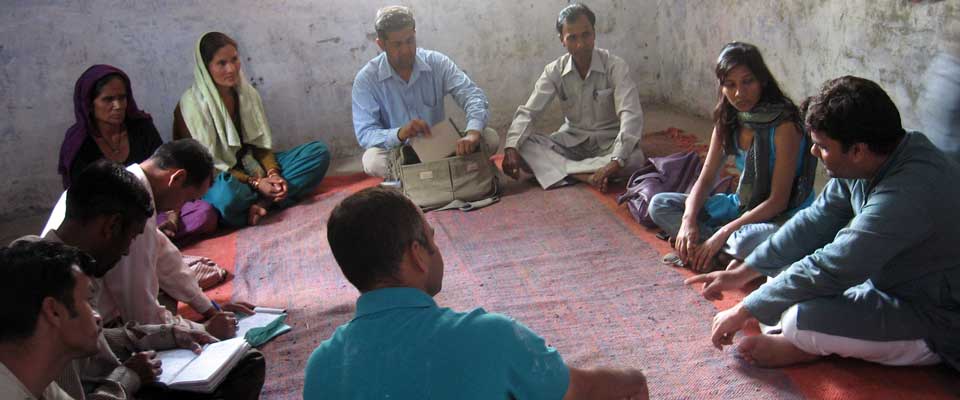
SOPHIA’s rights-based approach connects daily herding problems with wider advocacy. Documentation support, social mobilisation, dialogue with officials and partnerships with other civil society organisations can help communities record routes, identify recurring barriers and seek remedies. Better information also makes it easier to distinguish legitimate conservation work from arbitrary restrictions.
People who want to support fair pastoral systems can contribute by:
- Sharing reliable information about forest, domicile and pastoral rights
- Supporting community-led documentation of routes, checkpoints and delays
- Buying dairy products through fair local channels when possible
- Amplifying Van Gujjar voices in discussions about conservation and land access
- Funding rights awareness, legal support and sustainable buffalo husbandry
- Following SOPHIA’s projects, field updates and community media archive
A workable checkpoint should protect forests without disrupting lawful livelihoods or humiliating the people who depend on them. It should provide clear reasons, consistent documentation requirements and a way to appeal decisions. Support SOPHIA by learning about its work, sharing its community stories and contributing to initiatives that strengthen pastoral rights, milk marketing and local decision-making.