



How Covid-19 reshaped buffalo milk supply chains in the hills
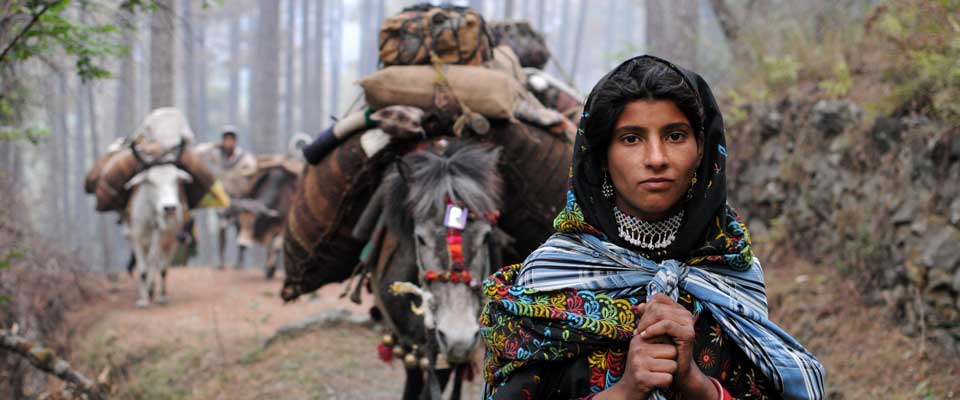
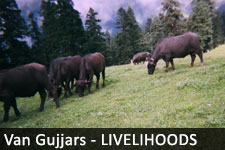
Across the pine-clad slopes of Uttarakhand and Himachal Pradesh, the daily rhythm of Van Gujjar pastoralists has long revolved around their buffaloes. Families lead the animals along forest paths, returning by evening with milk sold, consumed, or processed into ghee and paneer. This pastoral economy sustains thousands of households in some of India's most remote hill districts.
When the pandemic struck in 2020, the geography that protects these forests turned into a barrier. Roadblocks, quarantines, and sudden market closures cut the threads linking Himalayan villages to Dehradun, Saharanpur, and Delhi. SOPHIA, working alongside these herding communities for decades, witnessed first-hand how a global emergency reshaped the ancient trade of buffalo milk.
The pastoral backbone of mountain villages
For Van Gujjar families, buffalo husbandry is far more than a side venture. The animals provide draught power, dung for fuel, and a daily yield that translates directly into school fees, medicine, and salt. A single milking animal can deliver up to eight litres a day, sold to local traders or aggregated by cooperatives before reaching urban dairies.
Milk also acts as a social safety net. Unlike grain, it is a liquid asset convertible to cash within hours. When this income stream narrows, the consequences ripple through food security, children's education, and the very decision to remain in the hills.
How lockdowns fractured milk supply chains
The first wave of restrictions in March 2020 brought inter-district movement to a standstill. Collection centres that usually opened at dawn were shuttered, while drivers ferrying milk to processing plants were stranded at state borders. Without functioning cold chains, freshly drawn milk was poured onto fields or fed to calves within hours.
A second blow followed when small dairies and sweet shops closed alongside larger processors. Bulk buyers in Haridwar and Muzaffarnagar scaled back purchases overnight, leaving cooperatives with unsold inventory. Pastoralists describe the spring of 2020 as a season when milk became a source of anxiety rather than plenty.
Collapsing urban demand and farmgate prices
With weddings cancelled, temple festivals postponed, and tourism halted, demand for milk-based sweets and clarified butter collapsed. Farmgate prices in many hill villages dropped by as much as a third within weeks. Traders who once competed for supply began dictating terms, knowing herders had few alternative buyers within reach.
Some pastoralists responded by processing milk into longer-life ghee and khoya. Others dried off their animals early, reducing yields and household nutrition. These short-term adaptations, while practical, often undermined long-term herd productivity.
Women and the unpaid labour surge
Although buffalo rearing is often labelled a male occupation, women carry the heaviest weight within the dairy chain. They milk the animals, clean vessels, manage calves, and frequently handle roadside sales. When schools closed and markets shrank, they also took on caregiving, water collection, and home schooling.
Several women interviewed by SOPHIA reported rising domestic tension as incomes fell. Adolescent girls were often the first withdrawn from school, undoing years of progress in female literacy. The pandemic deepened existing gender inequalities, even as women remained the most visible agents of household survival.
Cooperative revival and cold-chain innovation
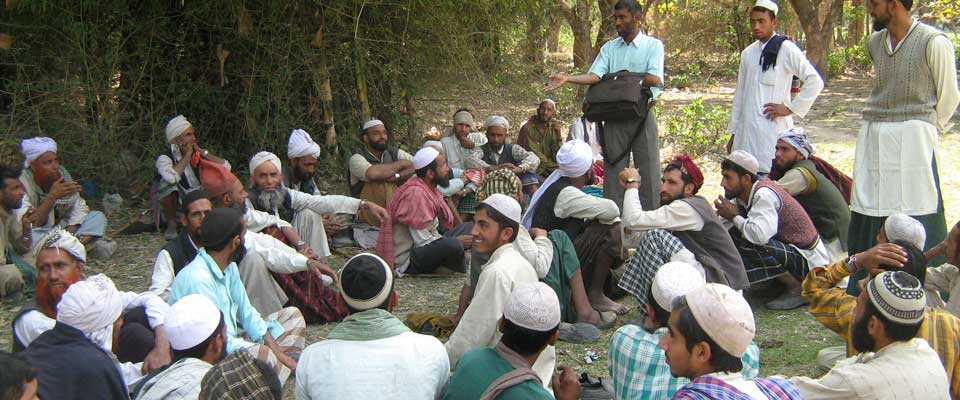
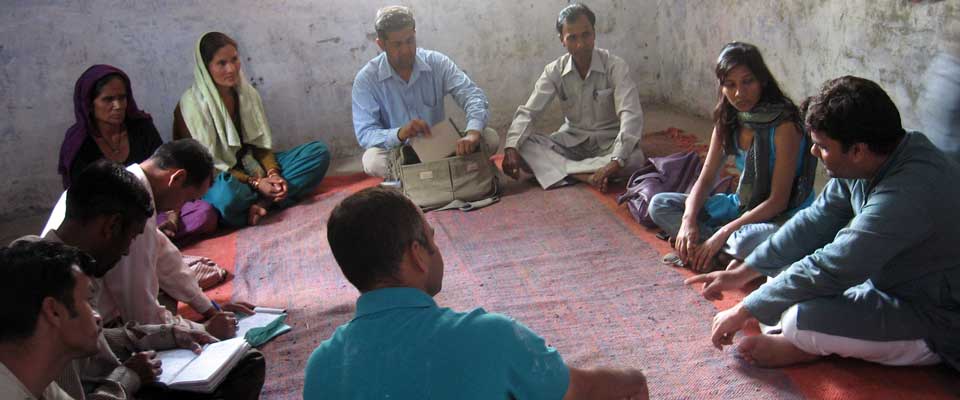
In response, community-led cooperatives began rethinking their operations. Villages such as Bagi and Dhalwala experimented with solar-powered chilling tanks, allowing milk to be stored safely for longer. SOPHIA supported women-led self-help groups that pooled small surpluses and bargained collectively, lifting farmgate prices by five to twelve per cent in pilot areas.
Direct marketing also expanded. Pastoralists began delivering milk and ghee to nearby towns by foot or small van, bypassing traditional middlemen. Partnerships with local NGOs introduced simple quality testing kits and standardised packaging, opening new retail channels in district headquarters.
Australian dairy parallels and consumer awareness
Across the globe, dairy supply chains were reshaped by similar forces. In Australia, lockdowns in Melbourne and Sydney disrupted fresh milk distribution, while hospitality closures reduced demand from cafés famous for their flat whites. Shoppers in Brisbane and Adelaide grew more interested in provenance, accelerating a shift already visible at farmers' markets from Byron Bay to Ballarat.
Australian consumers have long championed ethical dairy, and that awareness can extend to imported ghee and paneer, now staples in multicultural households. Recognising the pastoral origin of these foods helps build solidarity between distant herders and urban buyers. Campaigns in Fitzroy and Newtown highlight the labour behind each spoonful of clarified butter.
Building resilience for the next crisis
The pandemic has shown that pastoral buffalo milk systems need investment in cold-chain infrastructure, transparent pricing, and diversified markets. SOPHIA continues to advocate for forest and domicile rights that secure grazing access, while promoting schemes that recognise mobile herding as a legitimate livelihood rather than a marginal activity.
Equally important is policy reform that places pastoralists at the centre of climate and disaster planning. Mobile herding is itself a low-carbon adaptation, allowing livestock to follow seasonal vegetation across the Himalayan foothills. Recognising this in state-level dairy and forestry policy would help buffer communities against future shocks while protecting the biodiversity on which their animals depend.
Disruptions observed across the buffalo milk value chain
- Halted inter-state transport and broken cold chains
- Closure of sweet shops, restaurants, and bulk institutional buyers
- Sharp falls in farmgate prices during peak lockdown months
- Spoilage of fresh milk and forced early drying off of animals
- Withdrawal of girls from school to support dairy workloads
Practical steps pastoralists and supporters can take
- Establish solar-powered village chilling points to extend milk shelf life
- Form women-led marketing collectives to negotiate fairer prices
- Diversify into ghee, paneer, and other longer-life dairy products
- Build direct retail links with nearby hill towns and district markets
- Partner with fair-trade advocates to highlight pastoral stories
Support SOPHIA's work with Van Gujjar and Himalayan pastoral communities. A donation can fund solar chillers, women's collectives, and the legal aid that keeps buffalo husbandry alive in the hills. Visit SOPHIA today to give, volunteer, or amplify the voices of mountain herders.