



Inside the smoke: health realities of cooking fires in nomadic tents
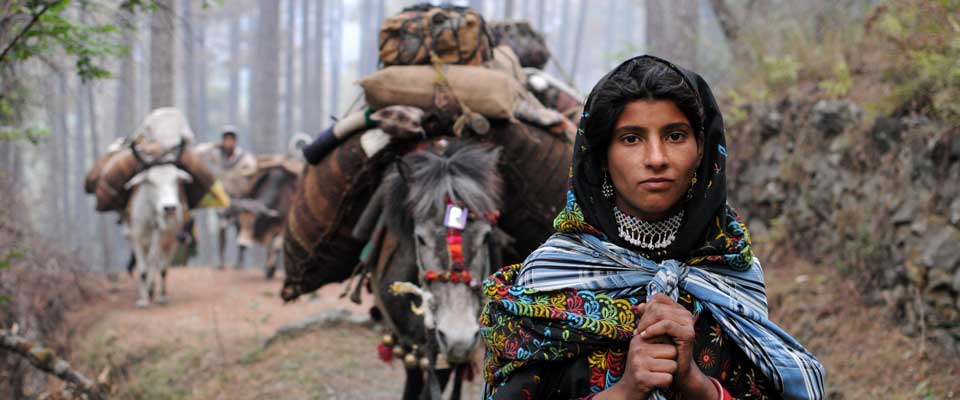
Around the smoky hearths of Van Gujjar families, mornings begin with more than tea. Buffalo milk simmers over twigs and dried dung, while elders fold blankets and children crowd close to the warmth before herding begins. The smoke that hangs inside these low canvas and tarpaulin shelters is rarely questioned, because it has always been there. Yet what fills the air each morning is a potent cocktail of fine particles, carbon monoxide, and toxic hydrocarbons, breathed in deeply by those who prepare every meal.
For Australians reading from Melbourne or Sydney, this story may feel distant. The country has its own long history with smoke-related health concerns, from the bushfire haze that settled over Canberra during the Black Summer of 2019 and 2020 to ongoing research on indoor fires in remote communities. The shared lesson is simple: when smoke replaces breathable air indoors, human bodies pay a quiet and accumulating toll.
The chemistry of smoke in a sealed tent
A typical Van Gujjar tent is a small enclosed space, often just a few square metres, with a low opening that doubles as door and chimney. When wood, twigs, pine needles, and dried buffalo dung burn in a simple metal or clay stove, combustion is rarely complete. The result is dense emissions of PM2.5, black carbon, benzene, formaldehyde, and nitrogen oxides. Studies of similar South Asian settings routinely measure indoor particulate levels that exceed World Health Organization guidelines by a factor of ten during active cooking hours.
In Australian terms, that concentration is far worse than hazardous readings recorded during the worst fire seasons. Anyone who has checked an Air Quality Index during a bad week knows the discomfort of burning eyes and tight chest. For a mother stirring lentils for an hour with a baby on her back, that discomfort is not a passing inconvenience but a daily physiological event.
Women and children bear the heaviest burden
Cooking is gendered work across the Himalayan pastoral belt, and women spend three to five hours each day beside the fire. Toddlers sit on the same rugs, crawling through the haze, while older siblings help tend the pot. Infants carried in slings inhale polluted air while their lungs are still forming. Researchers working with mountain communities have repeatedly noted higher rates of persistent cough, wheezing, and acute lower respiratory infection in children under five who live in smoky dwellings.
The exposure pattern is strikingly similar to what doctors observe in some remote Aboriginal and Torres Strait Islander communities in northern Australia, where overcrowded housing and indoor wood smoke are linked to high childhood pneumonia rates. The parallel is uncomfortable but useful: it reminds policymakers that solutions must be culturally appropriate rather than imported wholesale.
Respiratory disease patterns among pastoral communities
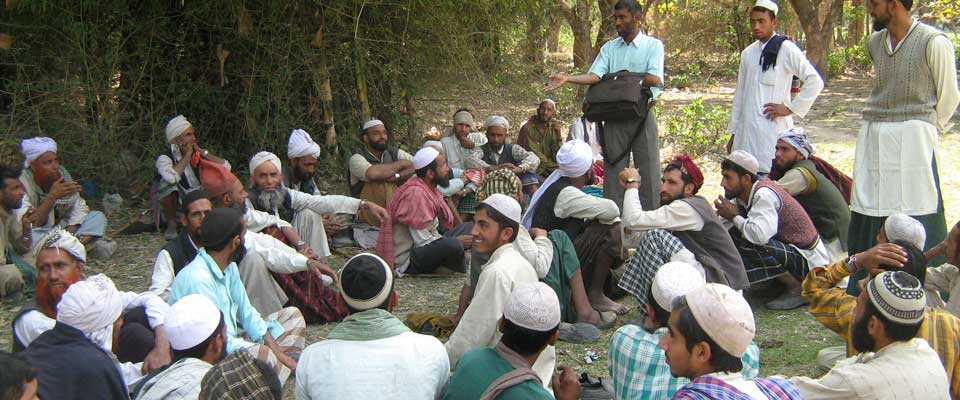
Chronic exposure produces chronic illness. Adults who have cooked over open biomass fires for decades commonly develop chronic bronchitis, reduced lung capacity, and symptoms resembling chronic obstructive pulmonary disease. Wheezing, morning phlegm, and breathlessness on gentle slopes are reported so often that many consider them normal signs of ageing. Field health camps organised by SOPHIA and partner organisations have begun screening for these conditions and referring patients to district hospitals.
Women also report headaches, dizziness, and fatigue on heavy cooking days, signs consistent with carbon monoxide exposure. Over years, such exposure can affect the cardiovascular system, raising the risk of heart strain in people who already walk long distances across steep forest terrain.
Beyond the lungs: eyes, skin, and the cardiovascular system
Smoke does not attack only the lungs. Fine particles irritate the conjunctiva, leading to chronic redness, tearing, and a gritty feeling that many nomads simply endure. Ultrafine carbon can deposit on the skin, worsening dryness and existing dermatitis in cold months. For elderly household members who often spend the day wrapped in blankets near the hearth, prolonged exposure accelerates age-related decline.
Recent global health research has also highlighted how repeated exposure to household air pollution primes the cardiovascular system for hypertension and ischemic events. While Van Gujjar elders rarely have access to long-term heart monitoring, the physiological pathways observed elsewhere almost certainly apply on the upper slopes of the Shivalik hills.
Daily rhythms and the limits of open ventilation
A traditional tent does have openings, but they are designed for weather and privacy rather than ventilation science. Cold Himalayan nights prompt families to seal every gap, which traps smoke indoors. Even on warmer days, the cooking fire sits low to the ground, putting emissions directly in the breathing zone of seated adults and crawling children. Simple changes, such as relocating the stove near a sheltered side opening, can help, but only if families understand the trade-offs.
Australians who travel inland will recognise the same dynamic in a roadside camp. A campfire on a still night feels cosy until the smoke drifts back into the swag and eyes sting at dawn. The difference is one of scale, not principle, separating a weekend discomfort from a lifetime of illness.
Bridges between practice and modern medicine
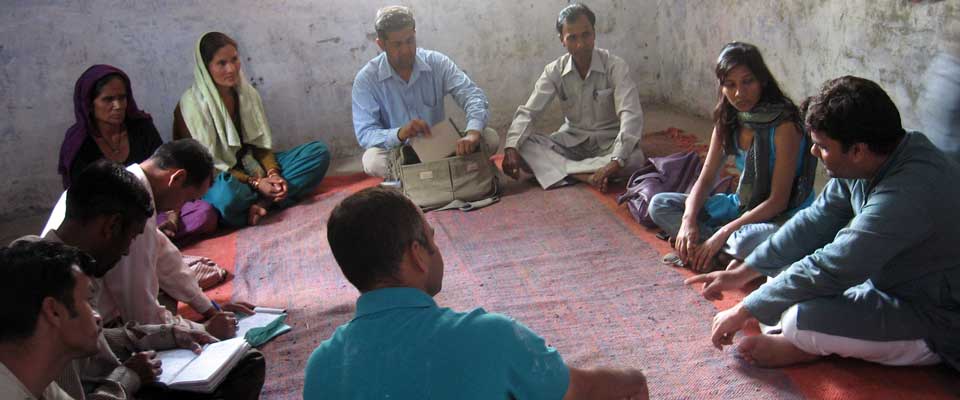
Improving indoor air quality does not require abandoning pastoral life. Improved biomass stoves, well-designed chimneys, and double-pot designs have all shown promise in reducing personal exposure across similar Himalayan settings. Community health workers trained by organisations such as SOPHIA, including members of the project team, can demonstrate these low-cost upgrades alongside maternal and child health education.
What works best is partnership. Van Gujjar families know their animals, forests, and migration routes better than any outsider. Interventions succeed when they respect seasonal movements, grazing calendars, and the cultural weight of buffalo husbandry. When a stove upgrade is framed as protecting children rather than replacing tradition, adoption rises.
Pathways forward for remote Himalayan villages
Sustained change will depend on coordinated action. Government rural housing schemes can be adapted to include ventilation standards suited to nomadic tents. Public health campaigns must reach women and elders in their own languages. Insurance schemes and clinical screening for chronic respiratory disease need to extend into forest hamlets where the nearest hospital may be a full day's walk away.
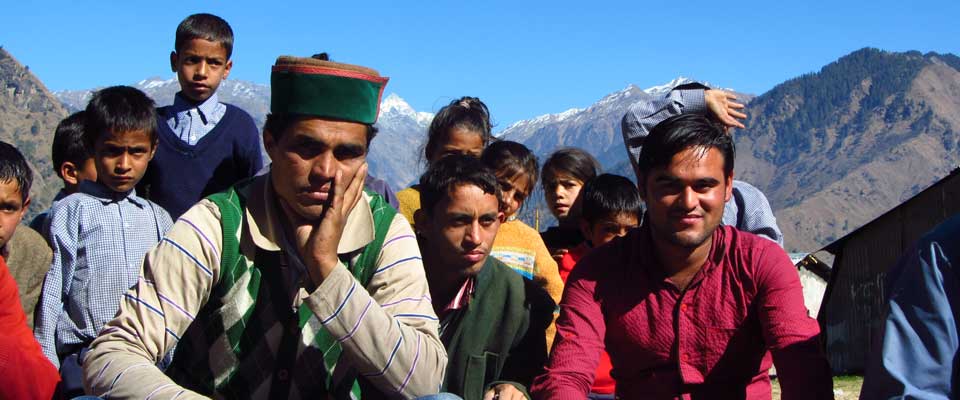
Australians who want to support this work can learn more about the communities, the staff leading the projects, and the partnerships SOPHIA maintains across Uttarakhand, Himachal Pradesh, and Uttar Pradesh. Visiting the website, sharing stories, or contributing to advocacy campaigns all help amplify a quiet truth: that the air inside a tent matters just as much as the view outside it.