







The Future Of Buffalo Milk In India’s Dairy Industry
India’s dairy economy is entering a period of change. Consumers are paying closer attention to nutrition, traceability, animal welfare, and environmental impact, while farmers need reliable prices and practical support. In this changing market, buffalo milk has a significant role to play.
Buffaloes already contribute a large share of India’s milk supply. Their milk is valued for its higher fat and solids content, making it important for ghee, paneer, khoa, curd, ice cream, and other value-added dairy products. For pastoral and village communities, buffalo husbandry is also connected to household income, food security, and cultural identity.
The next phase of growth must be inclusive. Stronger milk collection systems, better veterinary services, improved fodder access, and fair market relationships can help indigenous communities benefit from rising demand. Organizations such as SOPHIA can support this process through rights-based development, community mobilization, and engagement with government and responsible private partners.
A Strong Foundation In The Dairy Economy
Buffalo milk has long been central to India’s dairy industry because of its composition and processing value. Its rich texture and high fat content help manufacturers produce dairy foods with desirable taste, consistency, and shelf life. Urban demand for traditional products continues to support this market.
Large dairies and local milk processors are investing in chilling centres, digital procurement, packaging, and branded products. These developments can create new opportunities for buffalo keepers, especially when collection networks reach remote Himalayan and forest-edge settlements.
Why Buffalo Husbandry Matters To Communities
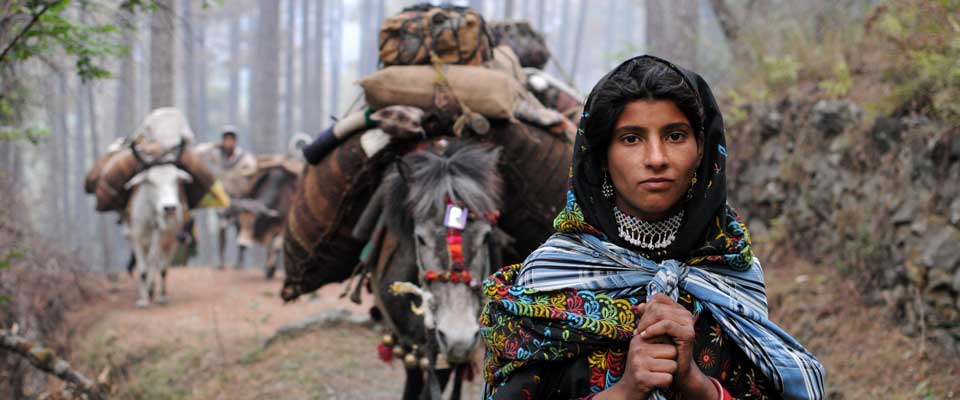
For Van Gujjar families and Himalayan villages, buffaloes are more than productive assets. They are part of a mobile or semi-mobile livelihood system shaped by forests, seasonal migration, pasture availability, and inherited knowledge. Milk sales can provide frequent cash income when other rural earnings are uncertain.
Access to grazing areas, forest resources, veterinary care, and secure domicile and livelihood rights directly affects dairy productivity. When communities have a voice in decisions concerning land and forests, they are better positioned to protect animal health, manage natural resources, and plan for sustainable pastoral livelihoods.
Market Opportunities And Practical Constraints
The future market will reward quality, consistency, and dependable supply. Buffalo milk can serve expanding demand for high-protein foods, premium dairy products, traditional sweets, and institutional procurement. Small producers may also gain value by selling clarified butter, paneer, cultured products, or regionally identified milk.
However, remote producers often face low farm-gate prices, costly transport, limited refrigeration, and weak bargaining power. Seasonal migration can make regular collection difficult. Without coordinated support, market expansion may benefit processors while leaving primary producers with a small share of the final value.
| Opportunity | Community-Level Requirement | Likely Benefit |
|---|---|---|
| Chilled milk collection | Local cooling and testing facilities | Lower spoilage and fairer quality-based payment |
| Value-added buffalo dairy products | Training, equipment, and food safety support | Higher margins for producer groups |
| Digital milk records and payments | Mobile access and transparent systems | Better accountability and financial inclusion |
| Improved buffalo health services | Regular vaccination, breeding, and nutrition care | Greater productivity and lower animal losses |
| Sustainable grazing management | Community rights and local planning | Healthier pastures and resilient livelihoods |
Technology With A Human Purpose
Digital tools can improve milk procurement by recording volume, fat content, payments, and collection schedules. Mobile veterinary services, teleconsultation, and localized weather information may help pastoral households respond to disease risks and changing pasture conditions.
Technology should strengthen community control rather than replace it. Systems must work in low-connectivity areas, use local languages where possible, and protect producers from opaque deductions. Training women and young people to manage records, quality testing, and small dairy enterprises can make innovation more useful and equitable.
Climate Resilience And Animal Welfare
Heat stress, water scarcity, changing pasture patterns, and disease outbreaks could affect buffalo productivity in many parts of India. Resilience will depend on access to fodder banks, safe water, shade, preventive healthcare, and locally suitable breeding practices. Community knowledge should inform these measures instead of being overlooked.
Responsible dairy development also requires attention to animal welfare. Proper nutrition, humane handling, clean shelters, and timely treatment support both ethical husbandry and milk quality. Sustainable buffalo farming can protect household income while reducing pressure on fragile landscapes through planned grazing and better resource management.
Building Fairer Dairy Partnerships
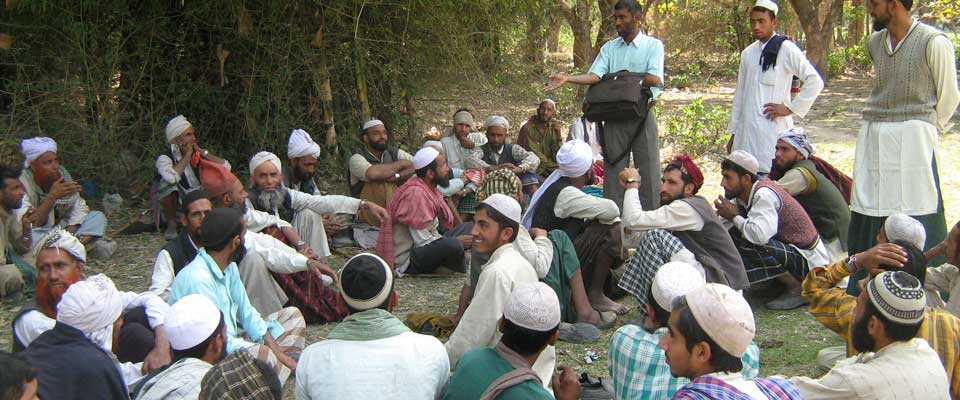
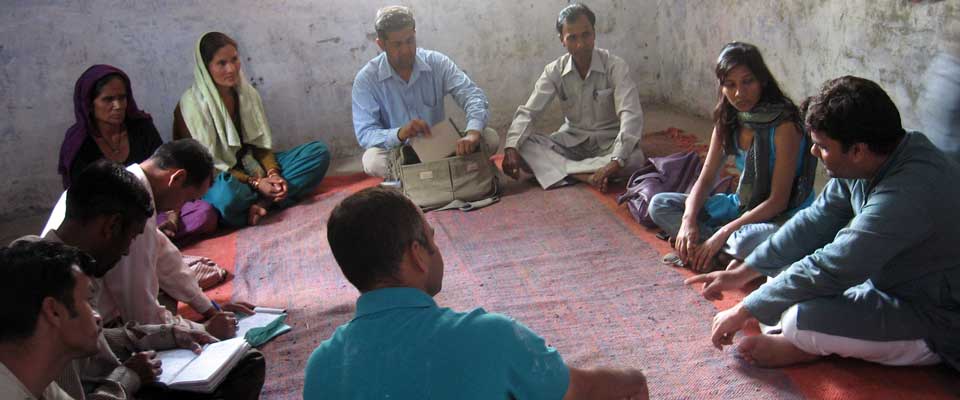
Producer collectives, cooperatives, NGOs, dairy companies, research institutions, and public agencies each have a role in creating a stronger buffalo milk value chain. Partnerships should be based on transparent pricing, accessible services, and respect for indigenous rights. Community representatives need a meaningful place in planning and monitoring.
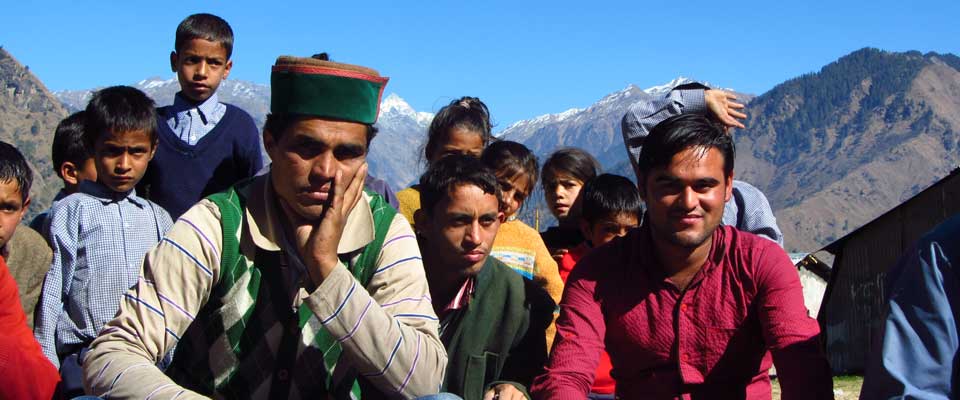
SOPHIA’s work with Van Gujjar and Himalayan village communities illustrates why dairy initiatives should connect livelihoods with forest rights, social mobilization, advocacy, and government engagement. A milk project becomes more durable when it recognizes the legal, ecological, and social conditions that shape production.
Priorities For Inclusive Growth
Stakeholders seeking to strengthen buffalo milk markets should focus on practical measures:
- Establish village-level milk testing, chilling, and transparent payment systems.
- Expand mobile veterinary care, vaccination, breeding support, and fodder planning.
- Support women’s groups and producer collectives in processing and marketing.
- Protect pastoral mobility, forest access, domicile rights, and community participation.
- Build partnerships that track farmer income, animal welfare, and environmental outcomes.
These priorities can help connect rural producers with modern dairy markets without weakening local control. They also create space for young people to find meaningful work in livestock services, food processing, logistics, and digital record management.
The future of buffalo milk will be measured by more than production volume. It will depend on whether growth improves producer incomes, safeguards animals, respects indigenous communities, and sustains the landscapes where dairy livelihoods begin. Support SOPHIA’s work, share knowledge, build responsible partnerships, and help advance a fairer dairy economy for India’s pastoral and village communities.