






From Milk to Ghee and Curd: Diversifying Pastoral Incomes
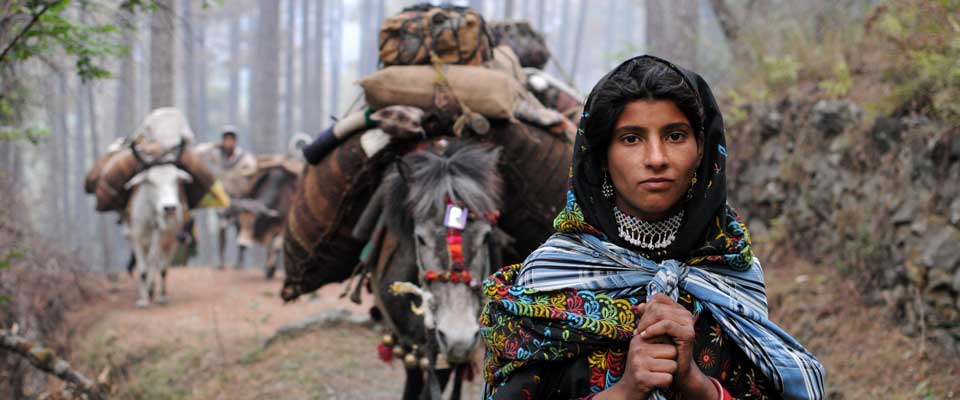
For Van Gujjar families across the forested slopes of Uttarakhand, Himachal Pradesh, and Uttar Pradesh, the buffalo is more than a source of milk. It functions as a bank, a form of savings, and a daily companion in a life shaped by seasonal migration between highland meadows and lowland winter camps. Selling raw milk provides the primary cash flow, yet prices rarely keep pace with rising costs of fodder, salt, veterinary care, and schooling. Exploring value-added dairy goods such as ghee and curd offers a pathway to stretch every litre further.
Diversification beyond liquid milk is not new, but its economic logic has sharpened as smallholders face thinner margins and growing uncertainty. Converting milk into longer-lasting, higher-value products lets families store wealth, reduce dependence on daily sales, and reach markets willing to pay a premium for quality and authenticity. The shift carries implications for Himalayan villages and for consumers worldwide, including the substantial South Asian diaspora in Australian cities such as Sydney, Melbourne, and Brisbane, where demand for traditional buffalo dairy continues to rise.
The Value Hidden in Every Litre
Buffalo milk is unusually rich in fat, typically six to eight percent butterfat, which suits clarified butter production. Twenty to twenty-five litres yield about one kilogram of ghee through traditional simmering and skimming, turning a perishable liquid into a shelf-stable concentrate. The same fat content supports curd making, where a small starter culture transforms several litres into the thick, tangy dah prized in regional kitchens. Both products command prices several times higher per litre than raw milk sold at the farm gate.
For pastoral households, the appeal lies in flexibility. Ghee can be stored for months in airtight containers, a useful savings product during summer when buffaloes produce less milk. Curd ferments quickly and can be eaten within the family, fed to children, sold to neighbours, or processed into buttermilk and paneer. Each step adds value using skills already present, with minimal outlay beyond basic utensils, brass vessels, and fuel wood or LPG.
Ghee in the Indian Marketplace
Retail ghee prices in India fluctuate with the seasons, feed costs, and festival demand around Diwali, Holi, and wedding seasons. Adulteration is a persistent concern, and reputable brands invest heavily in lab testing and certification, an opening small producers can seize through cooperatives and collective quality standards. Even informal sales to urban relatives or local mandis can deliver returns two to three times greater than the milk equivalent.
Packaging and labelling are often the missing pieces. Plain glass jars, printed stickers, and a consistent brand story can transform a homemade product into something that fits a gift box or sits on a delicatessen shelf. Several Himalayan cooperatives have begun doing exactly this, earning recognition at regional food fairs and small-town outlets.
Lessons from the Australian Market
Across the seas, Australia offers a useful reference for what happens when traditional dairy enters a multicultural, health-conscious economy. In Sydney and Melbourne, Indian grocery retailers around Harris Park and Dandenong stock buffalo ghee alongside South Asian staples, while chains like Harris Farm highlight ghee as a cooking fat suited to paleo, keto, and whole-food diets. A 500-gram jar of branded ghee typically retails between twenty and forty Australian dollars, showing the premium that authenticity, purity, and provenance can command.
Regulatory considerations matter. Any dairy imported into Australia must comply with the Australia New Zealand Food Standards Code administered by Food Standards Australia New Zealand, including requirements around pasteurisation, labelling, and country-of-origin disclosure. Producers also need to navigate biosecurity protocols under the Department of Agriculture, Fisheries and Forestry, plus goods and services tax obligations once turnover exceeds the relevant thresholds. These rules set the ceiling for any cross-border venture.
Curd as an Accessible Starting Point
Curd reaches the market in hours rather than days, making it the most accessible entry point for families experimenting with value addition. In Indian cities, premium dah sold in clay pots or branded cups fetches three to four times the price of equivalent raw milk, and a similar pattern is visible in Australian supermarkets where Greek-style and artisanal yogurts occupy entire refrigerated sections. Pastoral producers can experiment with small-batch, traditional-set curd aimed at urban customers who value texture, tang, and minimal processing.
Shelf life remains the central constraint. Without reliable cold storage and quick transport, wastage erodes any pricing advantage. Investing in insulated crates, shared community coolers, and direct delivery to nearby towns is more practical than chasing distant metropolitan markets in the first phase.
Food Safety and Cooperative Standards
Scaling from household batches to commercial quantities introduces new expectations. Buyers want consistency in colour, taste, moisture content, and packaging. Simple measures such as filtered cloth covers, stainless-steel utensils, dedicated processing rooms, and basic record-keeping can lift a product from homemade to market-ready. State-level dairy federations already run training programmes that pastoral groups can tap into with the right support.
Cooperative branding helps. When a village cluster markets under a shared label with a batch number, processing date, and contact details, customers gain confidence and traceability. This structure also makes it easier to access bulk packaging suppliers, negotiate transport rates, and approach banks for small working-capital loans.
Pathways Forward for Pastoral Communities
Cooperatives offer a proven route to scale. By pooling milk, sharing processing labour, and presenting a unified brand, a village cluster can negotiate better rates with retailers and absorb the cost of jars, labels, and laboratory testing. Digital platforms, including WhatsApp-based ordering and direct courier shipping, are already helping small Indian producers reach customers in Brisbane, Perth, and Adelaide. In time, niche export into Australia may become viable for select cooperatives that meet food safety, packaging, and biosecurity requirements.
None of this replaces milk sales in daily pastoral life, but it builds resilience, choice, and dignity into a livelihood long deserving greater recognition.
SOPHIA works alongside Van Gujjar and Himalayan village communities to strengthen sustainable pastoral livelihoods through rights-based projects, social mobilisation, and partnerships with like-minded organisations. Supporting value-added dairy initiatives helps families capture more of the wealth their buffaloes already produce. Visit the projects page, browse the photo archive, or reach out to stand with these communities.