



The Economics of Selling Buffalo Milk to Small-Scale Local Dairies
For Van Gujjar families in the Himalayan foothills, buffalo milk is more than a farm product. It is a daily source of cash, nutrition and household security. Selling surplus milk to a nearby collection point or small dairy can help pastoral households pay for food, schooling, animal care and transport while maintaining a livelihood linked to forests and seasonal grazing.
The economics depend on much more than the price paid per litre. Feed costs, animal health, distance to market, milk quality, cooperative rules and seasonal production all affect the final return. SOPHIA’s work with communities in Uttarakhand, Himachal Pradesh and Uttar Pradesh connects these practical concerns with broader rights, social mobilisation and sustainable pastoral development.
Where The Income Comes From
A healthy buffalo can provide a dependable flow of milk, although yields vary with breed, nutrition, lactation stage and weather. Buffalo milk generally contains more fat than cow milk, which makes it valuable for ghee, khoa, yoghurt, paneer and other products. Small dairies may therefore pay a premium for suitable milk or use it in higher-value processing.
Revenue is calculated by volume and, in some markets, by fat content. A household selling several litres each morning and evening can create regular cash flow, but the gross amount is not the same as profit. Feed, veterinary treatment, breeding, water, labour and containers must be deducted before assessing the true benefit.
Costs That Shape The Margin
Feed is often the largest variable expense. Families may rely on grazing, crop residues, seasonal fodder and purchased supplements. When pasture access is restricted or dry conditions reduce available forage, bought feed can quickly absorb the value of milk sales. Protecting customary forest and grazing rights is therefore closely connected to household economics.
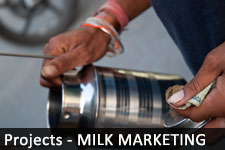
Collection also carries a cost. A remote household may spend time walking with milk, pay for transport or accept a lower price because only one buyer operates nearby. Reliable roads and collection schedules can reduce spoilage and improve bargaining power, especially for communities moving seasonally with their herds.
Choosing A Local Dairy Buyer
A small-scale dairy may offer advantages over a distant processor. It can collect milk close to the settlement, pay more frequently and build trust through personal relationships. It may also produce fresh products for nearby towns, where consumers value local supply and traditional buffalo-milk foods.
The arrangement should be clear about testing, rejected milk, payment dates, fat measurement and deductions. Written records, even a simple shared notebook, help families compare buyers and identify underpayment. Collective selling through a village group can strengthen negotiation and make regular supply more attractive to a dairy.
Quality, Safety And Consumer Trust
Clean milking practices directly influence price and market access. Healthy animals, washed utensils, filtered milk, shade and rapid cooling help preserve quality. A dairy that receives consistent milk with reliable fat levels has less wastage and can plan production more effectively.
Australian readers may recognise the importance of this from the strict food-safety expectations applied to milk sold in Melbourne, Sydney or Brisbane. Food businesses operate under the Australia New Zealand Food Standards Code and state or territory requirements; raw milk sold for human consumption is generally prohibited. These rules differ from informal village markets in India, but the principle is shared: safe handling protects consumers and the seller’s reputation.
Local Markets And Wider Comparisons
Demand for fresh dairy remains linked to everyday habits. Australians commonly buy milk through supermarkets, cafés and specialised producers, with coffee culture supporting steady dairy consumption in cities such as Melbourne and Perth. In Himalayan communities, demand may come from tea shops, households, sweet makers, restaurants and local traders rather than large retail chains.
The comparison should be made carefully. Australian farms often operate within formal cold chains, regulated transport systems and commercial feed markets, while Van Gujjar households may combine pastoralism with family labour and seasonal movement. A fair economic assessment must value unpaid work, access to common resources and the resilience provided by keeping livestock.
Practical Measures For Better Returns
Improving income does not always require producing more milk. Lowering avoidable costs, reducing spoilage and negotiating collectively can have a greater effect. Community organisations can help families understand prices, connect with government programmes, and advocate for fair access to forests, roads, veterinary services and local markets.
Useful actions include:
- Keep daily records of milk volume, payments, feed purchases and animal-health costs.
- Compare buyers using both price and deductions, including transport and rejected milk.
- Use clean, food-grade containers and deliver milk quickly after milking.
- Coordinate collection through a village group to improve reliability and bargaining strength.
- Invest in fodder planning, water access and preventative veterinary care.
- Explore value-added products such as ghee, paneer, yoghurt or khoa where safe processing is possible.
- Review agreements regularly so women’s work, household labour and community priorities are recognised.
A stronger local dairy relationship can provide predictable income while keeping more value within the community. It can also support sustainable buffalo husbandry rather than pushing families towards insecure labour or distress sales of animals.
SOPHIA supports rights-based development, community empowerment and advocacy for indigenous and Himalayan village communities. Learn more about its work, explore its projects and media archive, and support partnerships that strengthen pastoral livelihoods, milk marketing and community control over local economic decisions.