



When shared grazing land disappears, communities feel the loss
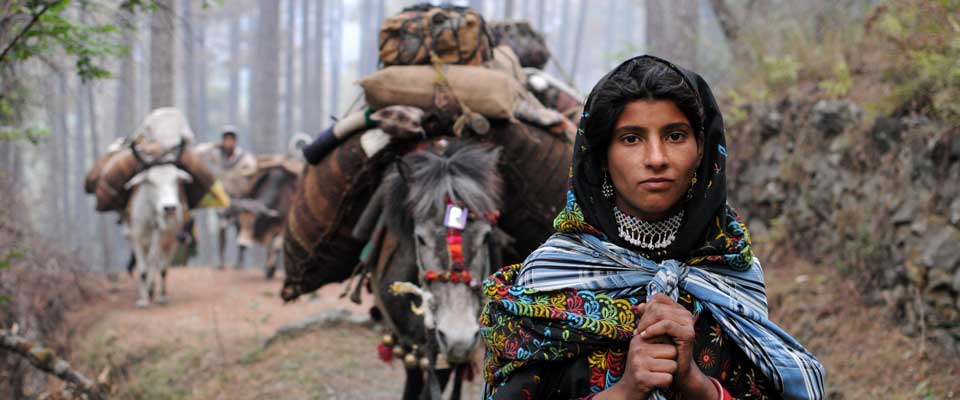
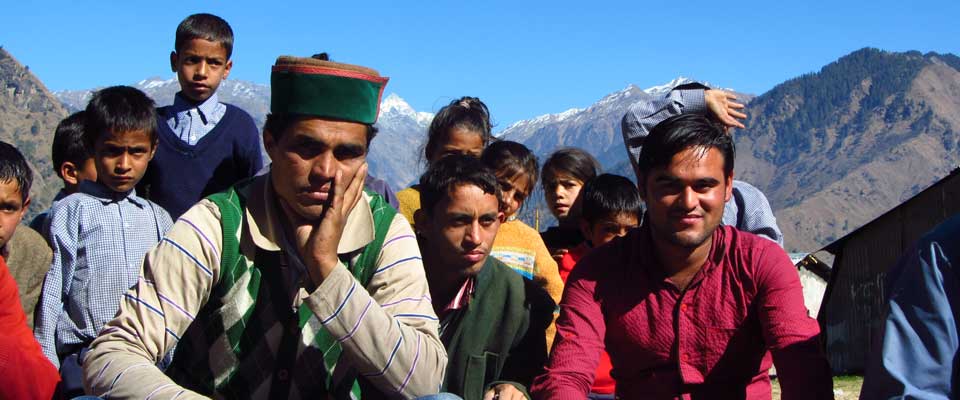
Across the Himalayan foothills, common grazing land is more than open space for livestock. It is part of a living system that supports buffalo husbandry, household income, seasonal movement, food security and relationships between families. For Van Gujjar pastoralists and Himalayan village communities, access to forests and pasture has long shaped daily life, work and cultural identity.
The decline of common grazing lands is changing that system. As grazing areas are enclosed, diverted for infrastructure or weakened by restrictive rules, communities face higher costs and fewer choices. The experience has relevance for Australian readers familiar with stock routes, Crown land, cattle stations and the practical meaning of a “fair go” for people whose livelihoods depend on access to land.
Grazing land is also social ground
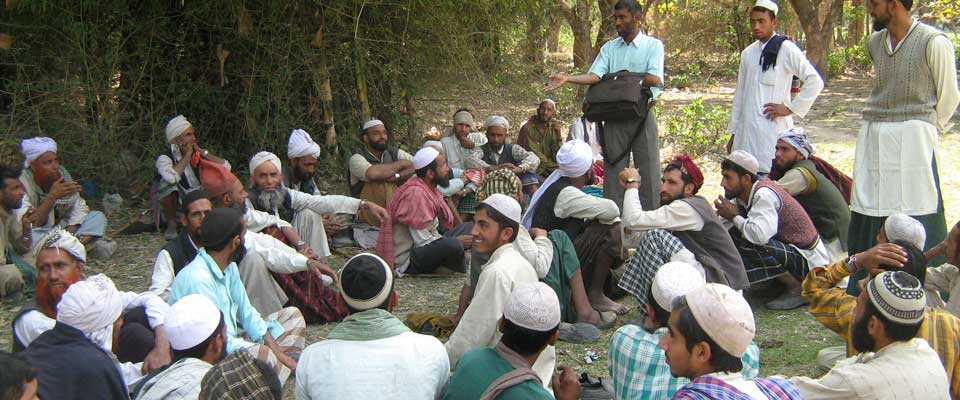
In pastoral communities, a shared meadow is a meeting place as much as a source of fodder. Families exchange labour, watch one another’s animals and pass knowledge between generations. Decisions about seasonal movement, water, animal health and milk sales are often made through informal networks built over many years.
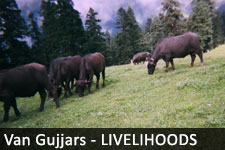
Van Gujjar households traditionally move with buffalo between forest areas and settlements according to seasonal conditions. This mobility depends on customary access and cooperation. When that access becomes uncertain, families may be forced to remain in smaller areas, buy feed or reduce their herds. These pressures can weaken reciprocal relationships that once helped households manage difficult seasons.
How common land is being squeezed
Population growth, roads, tourism, commercial development and conservation restrictions can all reduce the area available for collective use. Land may remain legally classified as forest or public land while becoming practically inaccessible through fencing, permits or competing claims. In other cases, community rights are recognised slowly, leaving families unsure whether they can safely invest in livestock or improve pasture.
The same tension appears in different forms in Australia. New South Wales Travelling Stock Routes and Queensland stock routes provide seasonal corridors for moving animals, yet access can be affected by drought, weeds, infrastructure and changing land-management priorities. For a small pastoral household, losing a reliable route can create costs far beyond the boundary of a single paddock.
The economic and cultural cost
When pasture declines, livestock owners often purchase fodder, travel farther for grazing or sell animals earlier than planned. Buffalo keepers may lose milk production, while traders and households downstream face less reliable supply. In regions where formal employment is limited, these changes can push young people away from pastoral work without creating secure alternatives.
There is also a cultural cost that cannot be measured only in rupees or Australian dollars. Shared grazing practices carry knowledge about plants, weather, animal care and forest conditions. Community gatherings connected with grazing, milking and local markets help maintain trust. When families compete for shrinking resources, disputes become more likely and collective action becomes harder.
For Australians, this is comparable to the way prolonged drought can affect more than farm income. A closed community hall, reduced local services or fewer people attending a show can slowly erode the social fabric of a rural district. The loss is gradual, but its effects are felt in everyday life.
Rights-based action can rebuild trust
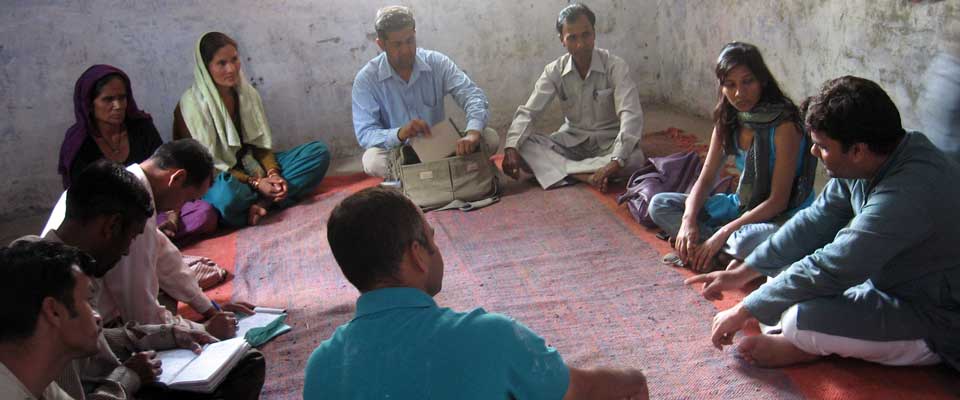
Protecting common land requires more than declaring an area open for use. Communities need a meaningful role in mapping resources, setting grazing rules, resolving disputes and monitoring ecological conditions. Their knowledge should sit alongside government data rather than being treated as an obstacle to formal planning.
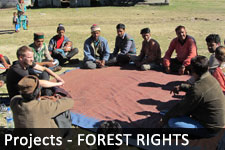
Rights-based projects can help communities document customary use, pursue forest and domicile rights, and engage government departments with stronger evidence. Organisations such as SOPHIA’s community work support social mobilisation, advocacy, sustainable pastoral livelihoods and dialogue between communities and public institutions.
This approach recognises that conservation and livelihoods do not have to be opposing goals. Managed grazing, rotational use, fodder development and protection of water sources can support both healthy landscapes and secure household economies when local people participate in the decisions.
Practical ways to support stronger commons
The most effective responses connect land rights with everyday livelihood needs. A grazing policy that ignores milk marketing, animal health or transport may leave families with formal recognition but little practical security. Likewise, a development project that excludes women and young people can miss the knowledge and energy needed for long-term change.
Australian civil society groups, universities, ethical businesses and individuals can support this work by learning from community-led organisations and recognising the value of pastoral knowledge. Useful actions include:
- Support organisations working on indigenous rights, forest access and sustainable livestock livelihoods.
- Share credible information about the relationship between common land, food security and community wellbeing.
- Encourage responsible milk and livestock supply chains that value small producers and fair returns.
- Fund participatory mapping, legal literacy, veterinary care and locally managed fodder initiatives.
- Build exchanges between Himalayan pastoral communities, Australian Landcare groups and stock-route networks.
- Treat community consent and local knowledge as essential parts of environmental decision-making.
The future of shared grazing depends on whether policy makers see common land as unused space or as essential social infrastructure. Protecting it can keep families economically active, preserve ecological knowledge and maintain the bonds that allow communities to respond together when conditions change.
Support community-led rights and livelihood work through SOPHIA, share its stories with your networks, and help strengthen the voice of pastoral and village communities whose wellbeing depends on secure, sustainable access to land.