




Van Gujjar men reshape household and herding traditions
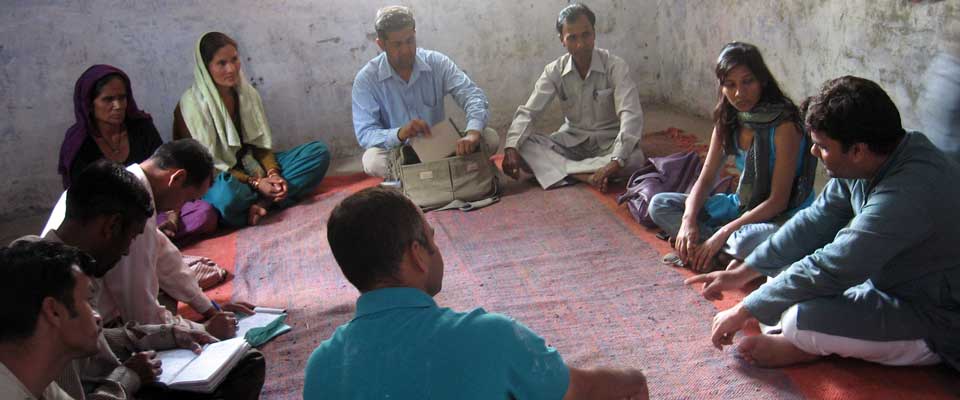
For generations, the rhythm of a Van Gujjar family followed a clear rhythm: women tended the household, children, and the small dairy needs inside the forest edge, while men migrated with buffalo across Himalayan pastures for weeks or months at a time. That division, embedded in language, ritual, and practical survival, is quietly giving way to something more shared. Across Uttarakhand, Himachal Pradesh, and the foothills near Uttar Pradesh, men are cooking evening meals, attending parent-teacher meetings, and sitting in cooperative meetings that previous generations would have left entirely to women.
The shift is not a rejection of pastoral identity. Van Gujjar men still feel the pull of the forest and the buffalo herd, and many still spend long stretches away from home during the transhumance season. What is changing is the rigidity of the border between who does what, a realignment that mirrors conversations happening between partners in households from Perth to Parramatta, where shared domestic duty is increasingly read as simply good parenting rather than a gendered favour.
Pastoral roots and the distance between home and herd
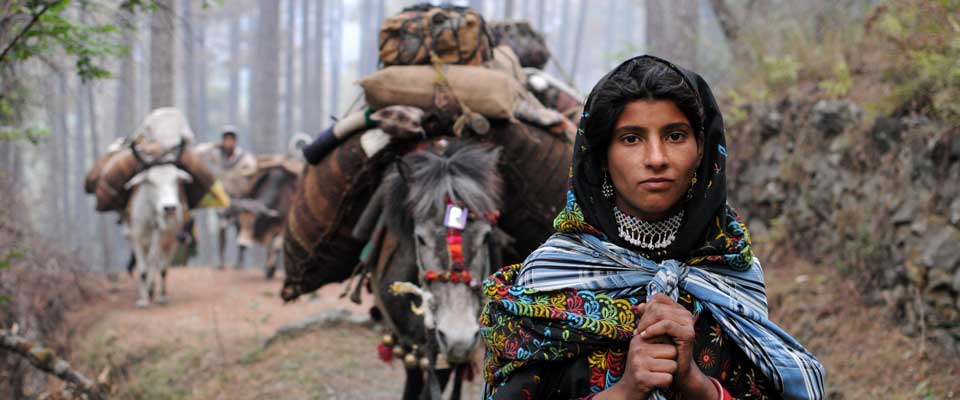
The classical image of the Van Gujjar herder is of a man walking ahead of a slow-moving buffalo line, sleeping under tarpaulins, drinking buffalo milk, and returning months later with cash and stories. Household responsibilities during his absence fell to wives, mothers-in-law, and elder daughters. Men who returned from the forest were guests of sorts in their own kitchens, expected to rest, eat, and prepare for the next move.
SOPHIA's long engagement with these forest-dwelling communities has documented how that rhythm once worked smoothly because extended families lived close together. Today, smaller family units, frequent outmigration for education, and the spread of urban connections have thinned out the safety net that allowed men to remain absent without consequence.
Schools, skilling and a shifting sense of duty
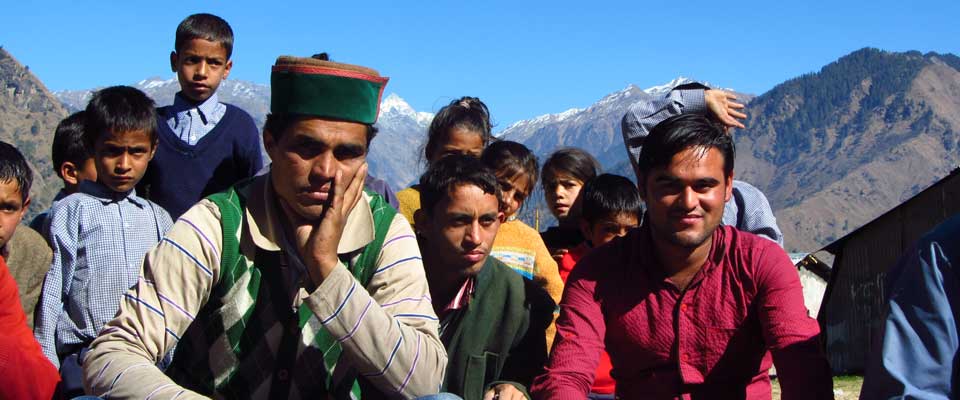
Government residential schools, bus routes into Dehradun and Haridwar, and smartphone-based learning have pulled children out of the immediate herding orbit. When mothers begin attending school management committee meetings or collect ration from the local fair-price shop, fathers often follow, partly out of curiosity and partly because government paperwork increasingly requires male signatures and Aadhaar verification.
Men who once defined themselves solely by their capacity to manage a herd of sixty buffalo are now also expected to engage with teachers, bank correspondents, and Panchayat officials. In communities SOPHIA supports, village-level facilitators report growing openness from fathers to read report cards and help with homework, a small ritual with large cultural weight.
Forest rights recognition and male allies
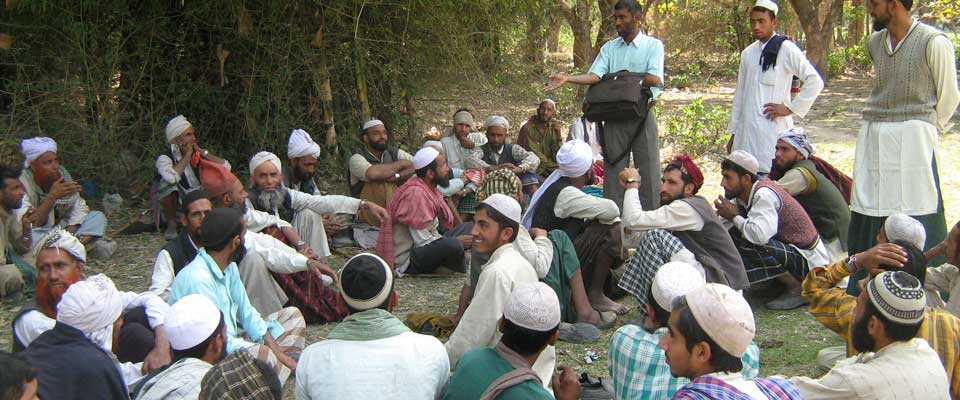
Recognition of forest rights under the Forest Rights Act, 2006, and the slow rollout of community forest resource rights have reshaped who shows up at hearings. Women have been made mandatory attendees, but in practice, men's presence still determines whether a claim succeeds. SOPHIA has found that the most successful claims come from villages where male relatives actively support their wives and mothers in speaking to officials.
This resonates with Australian reconciliation work, where male allies in sporting clubs and local councils in places like Dubbo or Bendigo have often proven decisive in opening doors for First Nations women in leadership. The pattern is familiar: structural change rarely happens without men choosing to lean in rather than stand aside.
Dairy cooperatives and shared marketing decisions
The milk-marketing collectives SOPHIA helps organise were originally imagined as women's groups, recognising that women had the most consistent daily engagement with milking and processing. In several villages, however, men have started attending pour sessions, contributing to quality checks, and joining the trip to the chilling plant at dawn.
The economics are part of the attraction. Buffalo milk fetches better rates when quality grading improves, and decisions about whether to sell to a private trader in Saharanpur or hold for the cooperative require cash-flow discussions. Households where husbands and wives share this calculation tend to invest the returns in ways both choose, including in children's education and small home improvements, rather than only in herd expansion.
Weather pressures pulling herders back home
Climate stress is doing what social campaigns cannot always do on their own. Erratic monsoon onset in the Shivalik foothills, hotter summers, and shrinking grazing patches mean that some men are spending more weeks of the year at the village rather than on the move. With less time in the forest, men inevitably shoulder more domestic work and more time with younger children.
Australian graziers know this pattern intimately. Queensland cattle families facing prolonged drought have repeatedly restructured who stays at the homestead and who goes to agist stock, redistributing domestic care in ways that feel forced at first but often stick. The Van Gujjar experience echoes that adaptation, though with the added pressure of forest bureaucracy and wildlife conflict.
Mobile phones and the connected nomad
A buffalo herder carrying a basic smartphone can now share a video of sick livestock with a SOPHIA field worker in real time. That connection reduces the isolation that once justified long silences between men and their families. Video calls during calving, decisions about school fees, and even evening chats with daughters preparing for board exams are now part of the herder's week.
This is not a romanticisation. The men best known to village health workers as engaged fathers are often those who figured out, with help, how to use banking apps and instant messaging. Technology has quietly closed the emotional distance that geography first created.
Practical Ways to Walk Alongside Van Gujjar Families
- Fund father-inclusive parenting sessions within existing women's collectives rather than building parallel programmes.
- Translate forest rights materials into simple audio formats herders can play on a phone during long grazing days.
- Support small refrigeration and chilling units so that men who help at dairy cooperatives reduce spoilage and earn family respect faster.
- Sponsor bursaries that keep adolescent girls in secondary school, easing the household pressure that often pulls men away from caregiving.
- Back local male champions who attend Panchayat and school meetings and can model the shift to peers.
- Encourage Australian-Indian university partnerships, modelled on the La Trobe and TERI-type collaborations that already link Melbourne researchers with Himalayan ecologists.
- Create short documentary exchanges between outback cattle families and Van Gujjar herders so that shared climate realities build visible solidarity.
Wherever you are in Australia, whether you volunteer from a desk in Brisbane or fundraise through a footy club in Ballarat, you can stand with Van Gujjar families as they rewrite roles once set in stone. Visit the SOPHIA website today to read project updates, share a story, or make a contribution that reaches households where men and women are learning to share both the milk and the morning.