



SOPHIA Empowers Young Voices Through Leadership and Advocacy Training
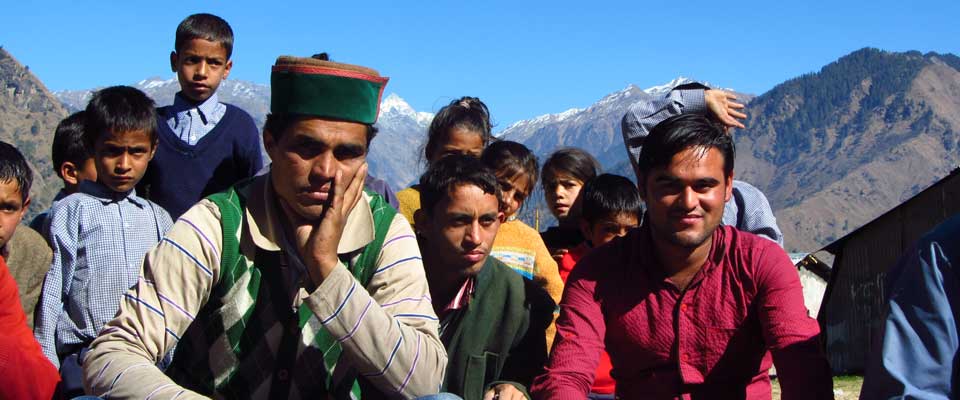
Across the lower Himalayas, young people from the Van Gujjar and other forest-dependent communities are stepping into roles their grandparents could not have imagined. SOPHIA, an Indian non-governmental organisation, runs a program that gives these young people the tools, confidence, and networks to speak up for their rights. The work blends grassroots organising with structured skill-building, producing a new generation of community advocates.
For Australians, the parallels are closer than they first appear. Aboriginal and Torres Strait Islander young leaders have long fought for recognition, land rights, and cultural survival, and they understand the weight of standing up to government systems. SOPHIA's youth initiative draws on a similar spirit, offering a meaningful way for Australian NGOs, donors, and volunteers to engage with a sister movement across the Indian Ocean.
The Community Context Behind the Program
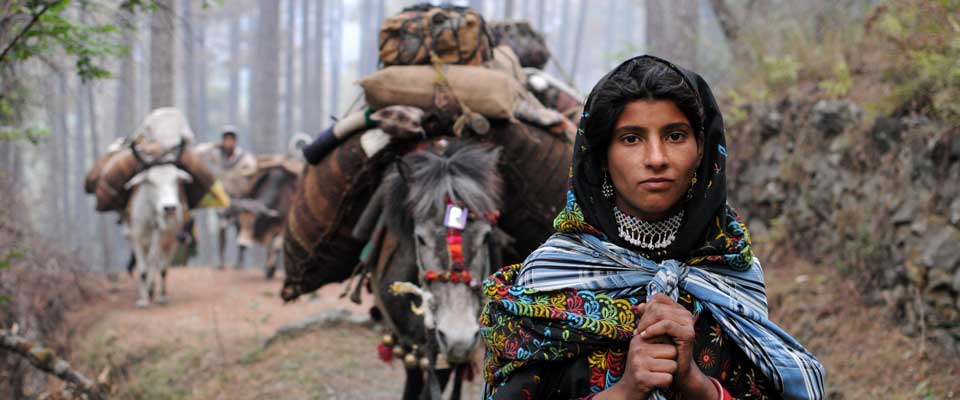
The Van Gujjar are a pastoral community spread across the wooded hills and river valleys of Uttarakhand, Himachal Pradesh, and Uttar Pradesh. Many families still migrate seasonally with their buffaloes, and forest rights, domicile certificates, and grazing access remain everyday concerns. For young people growing up between seasonal homes, school can be patchy and exposure to formal advocacy work is rare.
SOPHIA began its youth activities because elders asked for help preparing the next generation to deal with forest departments, state officials, and outside NGOs. The program now reaches villages across the three states and is shaped by listening exercises, where young participants identify the issues that most affect them, from water sources to school drop-out rates.
Skills Built Through SOPHIA's Training
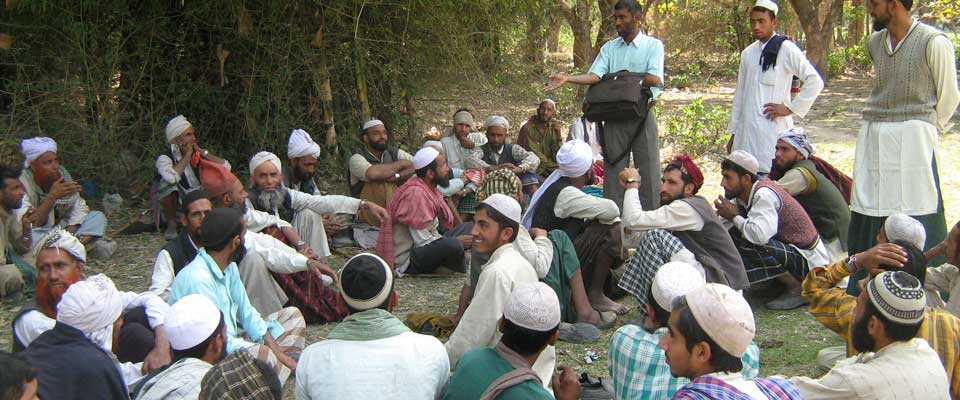
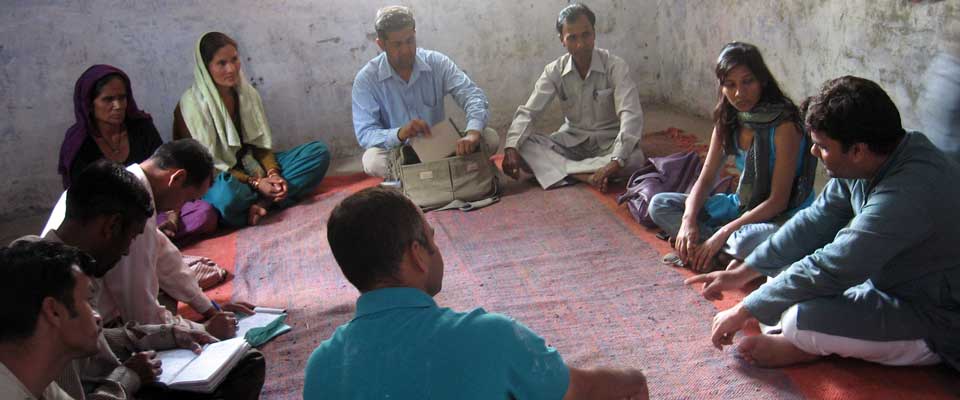
The training is practical rather than theoretical. Young participants learn how to run a meeting, document a community concern, write a petition, and present a case to a government officer. They also work on soft skills such as active listening, conflict resolution, and group decision-making. Sessions are held in Hindi and local dialects so that no one is left behind by language.
Key competencies developed through the program include:
- Public speaking and confident presentation in formal settings
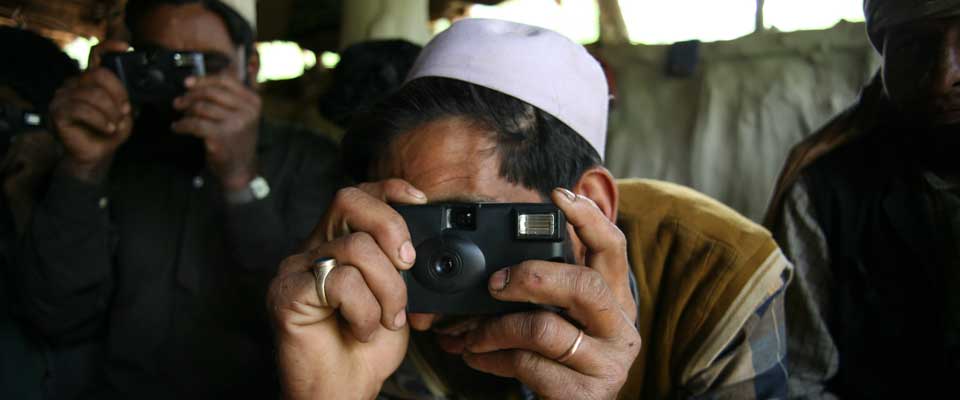
- Research and documentation of community issues using photos and written records
- Understanding of Indian forest and domicile laws relevant to pastoral communities
- Meeting facilitation and note-taking for village-level committees
- Digital literacy for safe communication with partners and officials
Mentorship and Intergenerational Learning
Mentorship sits at the heart of the initiative. Older community members, many of whom have campaigned for years alongside SOPHIA, share their stories of negotiating with forest officials and winning small but important battles. Young people then practise what they have heard, taking on roles such as secretary of a village committee or coordinator of a women's milk-marketing group.
This intergenerational handoff keeps knowledge alive in a way that a single training workshop cannot. It gives younger participants grounded confidence that only comes from hearing, "I did this, and you can too," from someone who has walked the same forest paths.
Advocacy in Action: Campaigns and Policy Engagement
Graduates of the program have supported SOPHIA's wider campaigns on forest rights and sustainable pastoral livelihoods. Some have accompanied elders to district-level meetings in Dehradun and Shimla, while others have helped gather evidence for submissions to state commissions. A small number have represented their communities at national consultations on indigenous rights.
These experiences show young people that their voices matter beyond the village. They also build a track record that strengthens SOPHIA's position when negotiating with government departments and partner organisations.
Partnerships and Institutional Support
SOPHIA works alongside a network of Indian NGOs, academic researchers, and government welfare schemes. The youth program benefits from these partnerships, drawing on training resources and legal expertise that a single organisation could not provide alone. It also aligns with India's National Youth Policy and several state-level skill missions, helping young participants access wider opportunities once they finish their training.
Challenges Along the Way
The work is not without difficulty. Seasonal migration can interrupt training schedules, and young people sometimes face resistance from officials who are unused to community members speaking up. Connectivity in forested valleys is patchy, making digital outreach uneven.
SOPHIA responds with flexibility: training blocks are timed around migration cycles, sessions are repeated in different villages, and printed materials are used alongside digital ones. Resilience, in this context, is built into the calendar as much as into the people.
How Young Leaders Are Shaping the Future
Alumni of the program are training newer cohorts, sitting on community forest committees, and supporting buffalo husbandry groups that link pastoral families to fair milk markets. The ripple effect is visible in villages where local women now chair meetings and young men accompany elders to state offices with confidence. For a community long described as marginalised, this shift in voice and presence is quietly profound.
Australians who want to stand alongside this work can do so in several practical ways:
- Partner with SOPHIA through your workplace giving program, which many Australian companies match dollar-for-dollar
- Volunteer skills remotely in communications, monitoring and evaluation, or grant writing
- Host a fundraising morning tea at a local café, the kind of grassroots catch-up Aussie communities do well
- Sponsor a young leader's travel to a state-level advocacy meeting
- Share SOPHIA's stories through university networks, particularly those focused on development and Indigenous studies
- Visit the program through ethical solidarity tours arranged with SOPHIA's partner organisations
If this work speaks to you, reach out to SOPHIA today. A single email, a small donation, or a chat with your local community group can help a young Himalayan advocate take the next step. The mountains of Uttarakhand and the bush communities of Australia share more than wide skies — they share the belief that young voices, when properly supported, can change the course of history.