




Learning from the hills: sustainable herding with SOPHIA
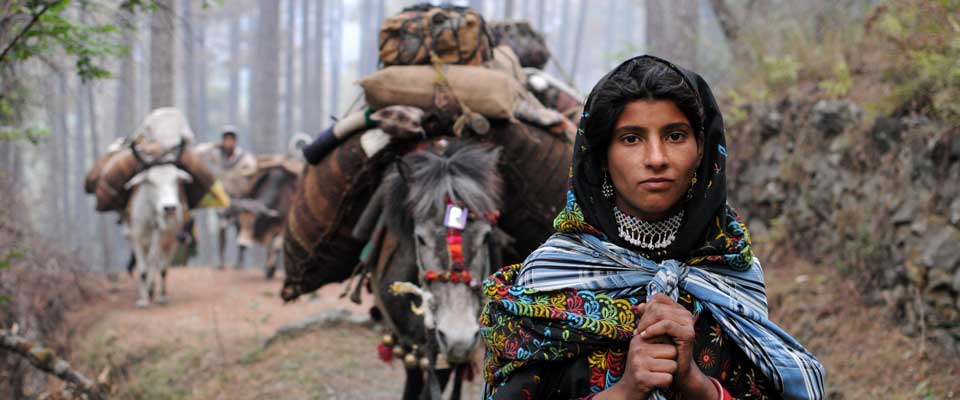
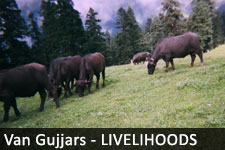
Across the Himalayan foothills, herding is closely tied to family income, food security, culture, and access to common forests. For Van Gujjar and village communities, buffaloes are more than livestock: they are part of a pastoral system shaped by seasonal movement, customary knowledge, and changing government rules.
SOPHIA works with these communities in Uttarakhand, Himachal Pradesh, and Uttar Pradesh through rights-based development, social mobilisation, and practical support. Its training programs help herders strengthen sustainable grazing practices while protecting livelihoods, animal health, forest resources, and community decision-making.
There are useful parallels for an Australian audience. People in the Victorian High Country, the New South Wales alpine region, or remote pastoral areas understand that stocking decisions must suit the country. The language may differ—“looking after the bush”, “rangeland management”, or “doing the right thing by the land”—but the principle is familiar: healthy landscapes support productive herds.
Learning from seasonal movement
Van Gujjar herders traditionally move buffaloes between seasonal grazing areas. This movement can reduce pressure on any single pasture, allowing grasses and other plants time to recover. Training helps communities assess available fodder, recognise signs of overgrazing, and plan routes in ways that balance animal needs with forest protection.
Such knowledge is especially important as access to customary grazing grounds becomes more restricted or unpredictable. SOPHIA connects practical herding guidance with advocacy around forest rights and domicile rights, ensuring that environmental care is considered alongside the legal and social realities facing indigenous communities.
Building healthier pastures and animals
Sustainable grazing begins with observing the land. Herders can monitor vegetation cover, water availability, soil condition, and the time needed for a pasture to recover. Rotating grazing areas and avoiding unnecessary concentration of animals can help reduce erosion and maintain fodder quality.
Buffalo husbandry is another part of the training approach. Better shelter, clean water, suitable nutrition, disease awareness, and careful breeding can improve animal welfare and household returns. These measures are relevant to Australian producers too, whether managing cattle near Kosciuszko National Park or livestock on a small family holding.
Practical training commonly focuses on skills such as:
- Matching herd size to available fodder
- Identifying useful and harmful plants
- Protecting springs, streams, and fragile slopes
- Improving buffalo nutrition and basic health care
- Keeping simple records of grazing, calving, and milk production
Connecting grazing with household income
For many herding families, sustainable land management must produce a reliable economic benefit. SOPHIA supports this link through work on milk marketing, collective action, and community organisation. When producers improve milk quality and negotiate together, they may gain stronger access to buyers and a better understanding of pricing.
This has a clear Australian comparison. A dairy or livestock producer here may think about processor contracts, cooperative collection, refrigeration, transport distances, and traceability requirements. In Himalayan communities, roads, market access, and storage can be even more difficult, making local networks and collective marketing especially valuable.
Training can help families consider:
- Hygienic milking and clean storage
- Reducing spoilage before milk reaches a buyer
- Coordinating collection among neighbouring households
- Understanding market prices and payment arrangements
- Reinvesting income in fodder, veterinary care, or equipment
Combining local knowledge with useful evidence
SOPHIA’s approach respects knowledge held by herders themselves. Communities understand their forests, animals, weather patterns, and seasonal pathways through experience passed between generations. Training is most effective when it strengthens this knowledge rather than treating outside expertise as the only authority.
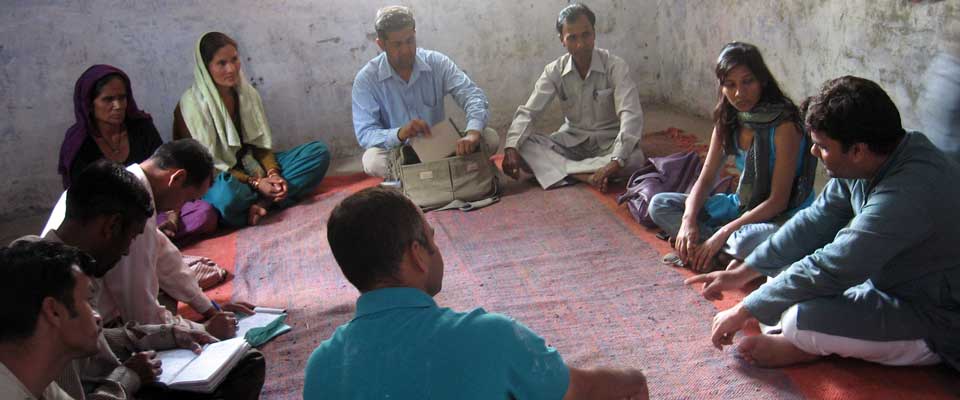
Facilitators can add tools such as pasture observation, group mapping, basic record keeping, and discussions with veterinary or forest officials. This combination supports informed decisions while giving communities a stronger voice in government engagement and local planning.
For Australian supporters, the model will feel familiar to good Landcare practice: listen first, work with local custodians, test practical ideas, and measure whether the land and livelihoods are improving. It also reflects the importance of respecting indigenous rights rather than separating conservation from community wellbeing.
Supporting confident community leadership
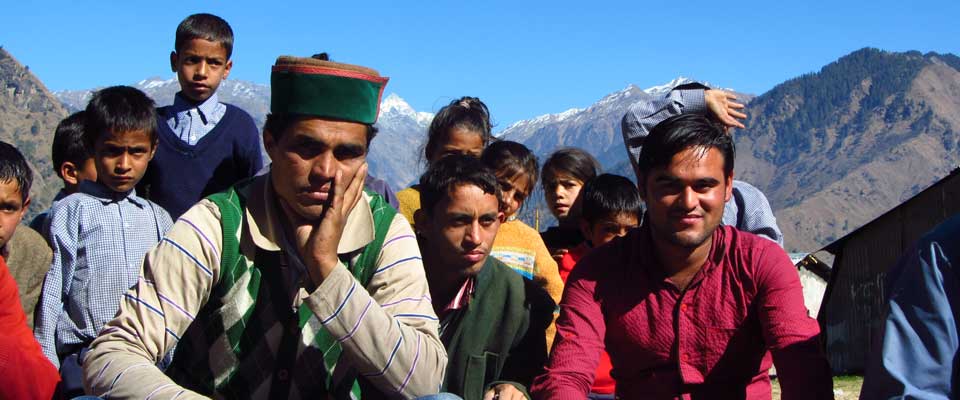
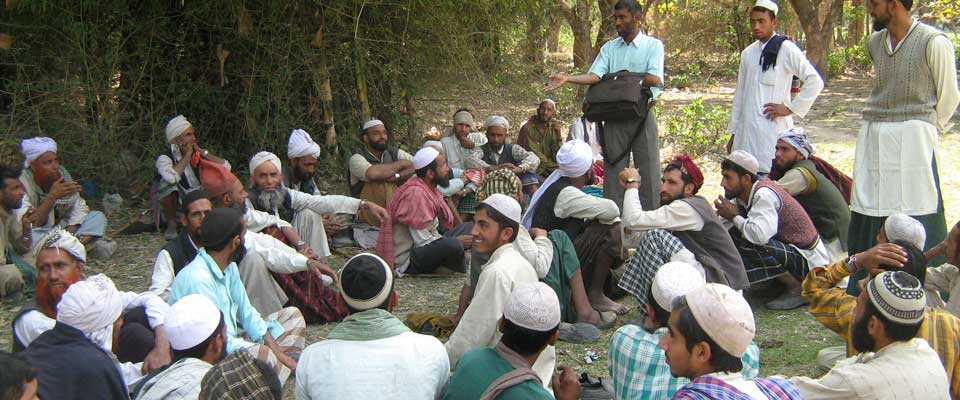
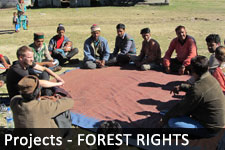
Training has a wider purpose than improving individual herds. Group sessions can help herders discuss shared grazing pressures, resolve disagreements, organise collective requests, and participate in decisions affecting forests and pastoral routes. Women and younger community members can also gain space to contribute to discussions about milk income, animal care, and household resilience.
This community-led approach matters when policies are developed far from the people who depend on seasonal grazing. Strong local organisation makes it easier to document concerns, engage officials, and form partnerships with other civil society groups. SOPHIA’s work brings these elements together through rights-based projects, advocacy, and collaboration.
SOPHIA’s training programs for herders on sustainable grazing practices show how environmental stewardship can be grounded in everyday livelihood needs. Supporting this work helps protect mountain ecosystems while strengthening the people who have cared for them across generations.
Learn more about SOPHIA’s communities, projects, and partnership opportunities through its website. Sharing its work, supporting rights-based initiatives, or connecting with organisations involved in ethical livestock and conservation programs can help sustainable pastoral livelihoods receive the attention they deserve.