



SOPHIA's university collaborations advancing pastoral economics research
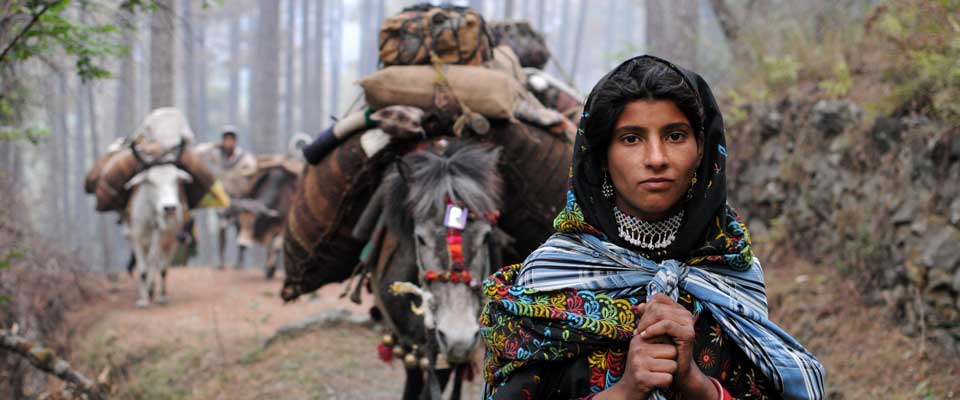
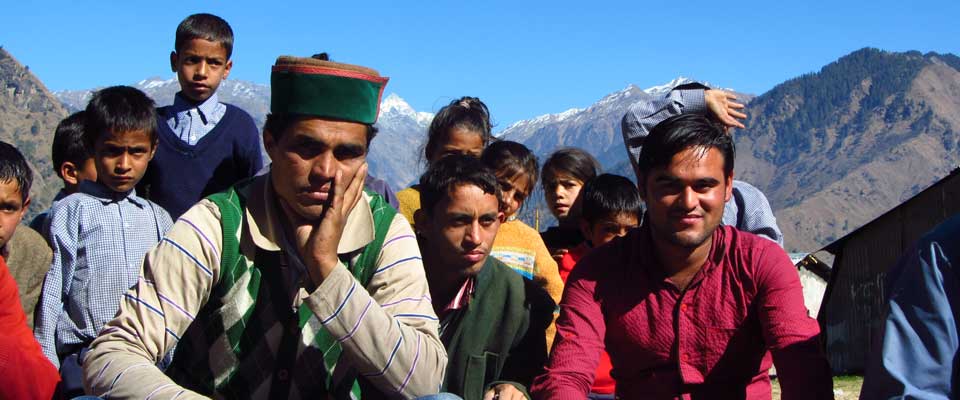
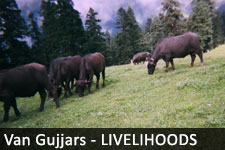
Deep in the lower Himalayas, the Van Gujjar and other pastoral communities of Uttarakhand, Himachal Pradesh and Uttar Pradesh have practised seasonal migration with their buffalo herds for generations. Their economy rests on milk, ghee and small-scale animal trade, supported by intimate knowledge of forest grasses, water sources and weather patterns. SOPHIA, an Indian non-governmental organisation, has spent years walking alongside these communities, defending their forest and domicile rights while strengthening their pastoral incomes. Academic partnership has become central to that mission, transforming lived experience into evidence that can guide policy.
Across the world, pastoral economies are entering a period of reckoning. Climate stress, market consolidation and contested land tenure are reshaping how herders earn a living. Universities offer the analytical tools, longitudinal methods and peer review that grassroots organisations often lack. By linking SOPHIA's field presence with the rigour of academic inquiry, both sides gain a clearer picture of what sustainable pastoral futures can look like. The lessons travel well, including to countries like Australia where pastoralism also shapes vast tracts of land and identity.
Why pastoral economics needs academic inquiry
Pastoral livelihoods are often invisible in national accounts because they straddle subsistence, informal trade and household labour. Traditional surveys miss the seasonal mobility that defines herding life, while satellite imagery captures land use but not the social relations behind it. Universities bring the methodological patience to follow a herd over a year, document milk yields, track household budgets and map conflicts over grazing access. That evidence base gives communities a stronger voice in planning meetings and courtrooms.
In India, this kind of scholarship has grown through departments of development studies, veterinary science and agricultural economics. SOPHIA's role is to ensure the questions asked in seminars match the questions herders ask in the forest. When researchers frame their work around milk pricing, fodder rights or buffalo breed improvement, the answers become directly useful to families deciding whether to send children to school or buy another animal.
The model of joint research with Indian universities
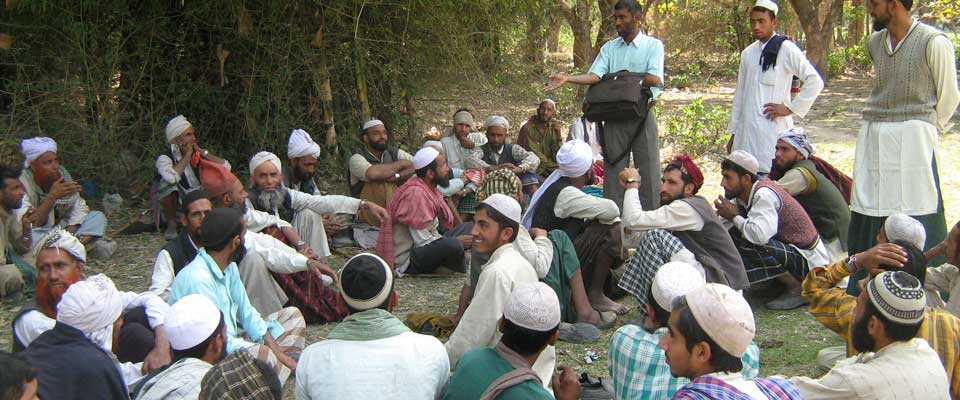
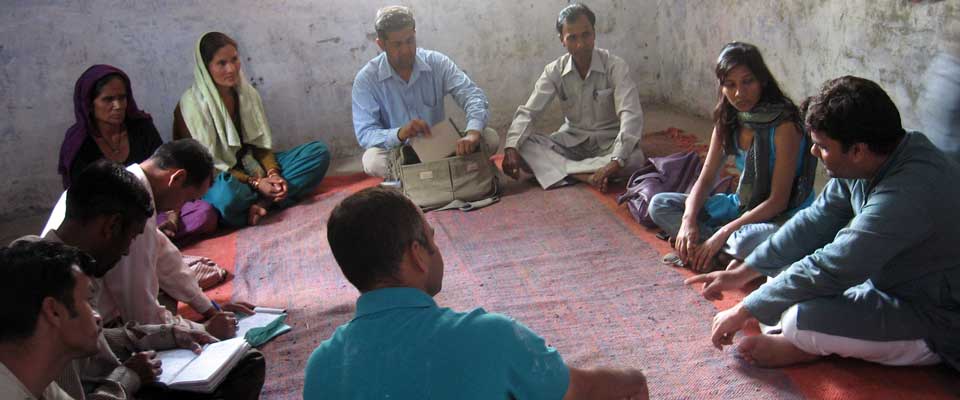
SOPHIA partners with universities through long-term fieldwork rather than short consultancy visits. Post-graduate students spend extended periods in Van Gujjar and Himalayan hamlets, often staying in village homes, learning local dialects and joining daily routines. Faculty supervisors co-design research questions with SOPHIA's community workers, ensuring that findings feed back into village meetings rather than sitting in academic journals.
The arrangement resembles the embedded research models used by Charles Sturt University in New South Wales or the University of Queensland's rural campuses, where scholars live and work alongside farming families. Australian academics visiting SOPHIA's field sites often remark on similarities with remote stations in western Queensland, where herders also negotiate drought, debt and distance from markets.
Field-based learning and ethnographic methods
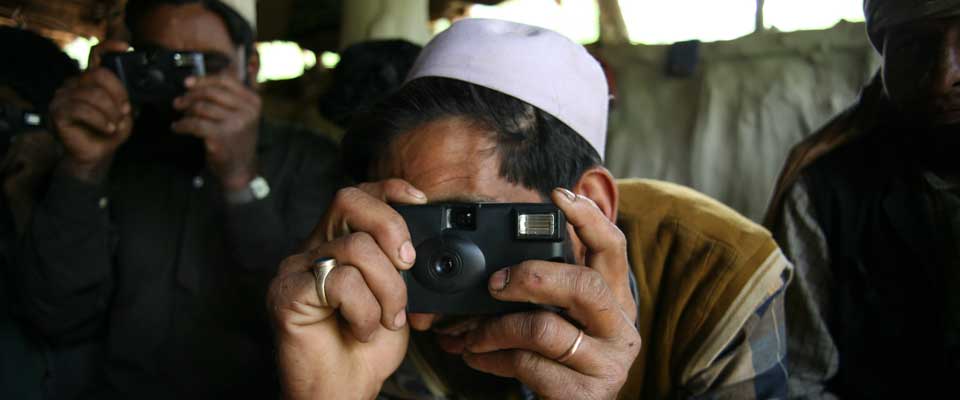
Ethnography sits at the heart of SOPHIA's research collaborations. Students and SOPHIA staff record household decision-making, gender divisions of labour and rituals tied to animal husbandry. These notes become datasets that reveal how buffalo care is interwoven with forest stewardship, migration calendars and household nutrition. The approach values oral knowledge as much as quantitative output, treating pastoralists as co-researchers.
Practical training includes pasture assessment, milk hygiene, basic veterinary checks and participatory mapping. Herders themselves teach researchers how to read hoofprints, judge fodder quality and predict weather through cloud patterns. The exchange is genuinely two-way, challenging the assumption that expertise flows only from campus to village.
Generating data on dairy and milk value chains
A core focus of the academic partnership is the dairy economy. Researchers document how milk moves from udder to consumer, recording chilling points, cooperative shares, transporter margins and seasonal price swings. SOPHIA uses this data to negotiate fairer arrangements with bulk buyers and to design small processing units that retain more value within the community.
The questions mirror debates playing out in Australia's dairy regions, where milk pricing, processor dominance and supermarket contracts remain politically charged. Comparative studies between a Van Gujjar cooperative in Uttarakhand and a small farmer-run label near Warrnambool in Victoria could illuminate how scale, distance and policy shape dairy viability on opposite sides of the Indian Ocean.
Knowledge exchange between Himalayan pastoralists and global scholars
International scholars, including those from Australia, the United Kingdom and continental Europe, periodically join SOPHIA's field schools. Their contributions broaden the conversation, linking Himalayan pastoralism to debates about rangeland governance in East Africa, the Tibetan plateau and the Australian outback. Such exchanges expose SOPHIA's partners to comparative policy tools and funding pathways.
Hosting visitors also brings practical benefits. Melbourne-based academics interested in community-based conservation can compare SOPHIA's social mobilisation methods with the Landcare movement that began in rural Victoria in the 1980s. Both traditions share a faith in local people as custodians of the land and both depend on patient coalition-building.
Implications for pastoral economies beyond South Asia
The findings emerging from SOPHIA's collaborations matter well beyond the Himalayan foothills. Pastoralism supports tens of millions of households worldwide, often on marginal lands where crop farming is risky. Evidence on tenure security, climate adaptation and market access helps global frameworks such as the United Nations Decade of Family Farming translate into concrete investments.
For Australian readers, the work speaks directly to ongoing discussions about native title, biodiversity stewardship payments and the future of the wool and beef industries. Pastoral communities in the Pilbara, the Kimberley and the Gulf Country face structural pressures similar to those confronting Van Gujjar families, making cross-continental learning genuinely productive.
Challenges in sustaining long-term academic alliances
Sustained partnerships require patient funding. Short project cycles discourage the long immersion periods that pastoral research demands. SOPHIA addresses this by pooling resources across multiple universities and by training local researchers who can maintain continuity when foreign academics rotate out.
Ethical questions also demand ongoing attention. Data sovereignty, consent procedures and the fair use of indigenous knowledge require explicit protocols. SOPHIA's agreements with academic partners increasingly include co-authorship arrangements for community members, ensuring that credit and benefit flow back to the people whose lives are being documented.
Practical guidance for universities and NGOs considering similar partnerships
- Begin with listening exercises rather than predefined research questions.
- Allocate funding for at least two full field seasons per study.
- Embed postgraduate students within host communities rather than in city offices.
- Build shared data platforms that remain accessible to community partners.
- Draft joint ethics protocols covering consent, attribution and future use.
- Plan regular feedback workshops where preliminary findings are discussed in local languages.
Pastoralists across continents share a common need for evidence that respects their knowledge and supports their negotiating power. SOPHIA's collaboration with universities demonstrates how patient, ethical research can strengthen both livelihoods and policy. Readers keen to support this work can visit SOPHIA's website, subscribe to field updates, contribute to research fellowships or explore collaboration opportunities with the organisation's academic team.