



Tracking change on the margins: SOPHIA's M&E framework for pastoral communities
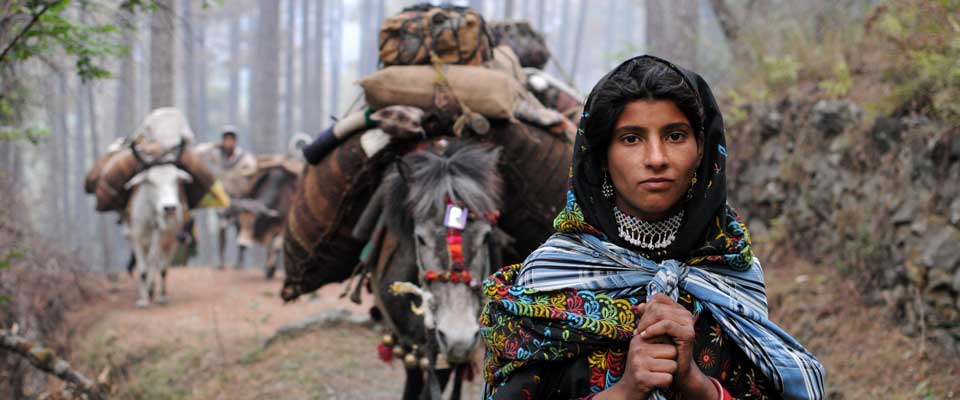
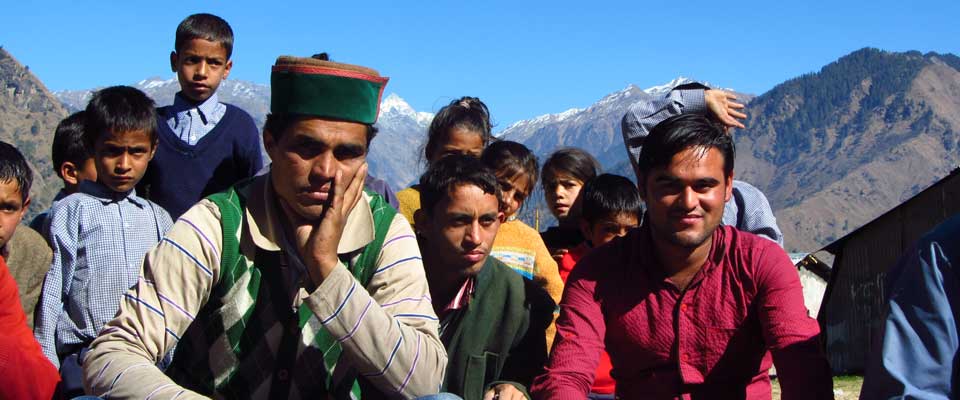
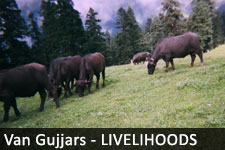
In the lower Himalayas, pastoral communities like the Van Gujjar depend on seasonal migration, milk marketing, and intimate knowledge of forests to keep their livelihoods alive. SOPHIA has spent years walking alongside these families in Uttarakhand, Himachal Pradesh, and Uttar Pradesh, treating monitoring and evaluation as a discipline built from the ground up rather than imported from a distant office.
As pastoral systems face climate stress, land fragmentation, and shifting policy, the organisation has refined a framework that blends outcome mapping, participatory baselines, and seasonal reviews. The people whose lives are being measured also shape the questions asked, and this commitment to community-owned data is quietly reshaping how pastoral development is understood across South Asia.
Participatory baselines in remote hamlets
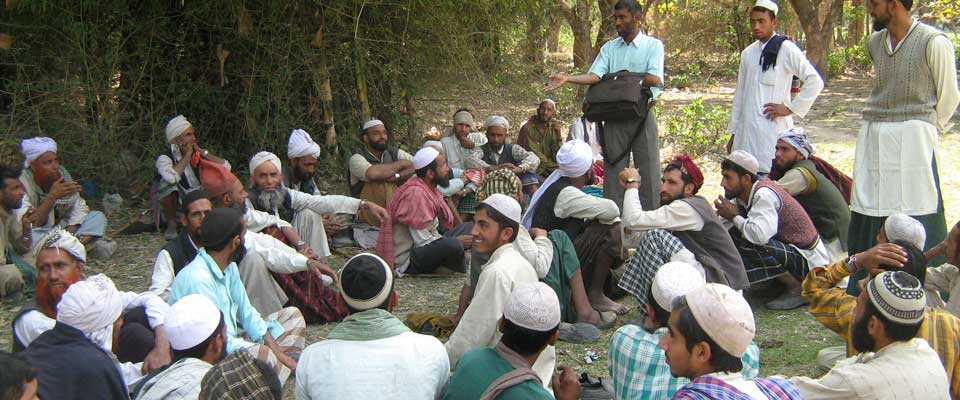
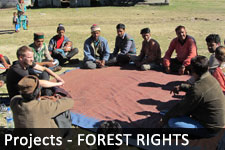
A baseline is rarely a survey sheet handed out by visitors; it is more often a conversation held under a chinar tree. SOPHIA's teams begin projects by sitting with elders, women milk-sellers, and herders to map grazing routes, water points, and forest patches used through the year. These maps become living documents, drawn on paper but reviewed every season when families move between summer highlands and winter lowlands.
The process distinguishes clearly between what outsiders see and what households themselves count as progress. A family might measure success by the health of its buffalo herd, the price fetched for milk in a distant mandi, or the renewal of a domicile certificate. SOPHIA captures these local definitions before setting numeric goals, which keeps indicators honest and grounded in lived reality.
Indicators that move with herders
Standard project logbooks rarely accommodate mobility, yet pastoral life is movement. SOPHIA's monitoring toolkit tracks seasonal indicators such as calf survival during the monsoon, fodder availability in reserved forests, and the share of milk reaching formal markets versus household consumption. Each indicator is reviewed against what herders expect from a good season, rather than against generic development targets.
Gender-disaggregated data sits at the centre of this work. Women's cooperatives, often running small milk chilling units in transitional villages, report separately on cooperative governance, price realisation, and access to veterinary services. By tracking mobility, milk, and voice together, the framework treats pastoral development as a whole system rather than a checklist of isolated outputs.
Data methods fit for mountain terrain
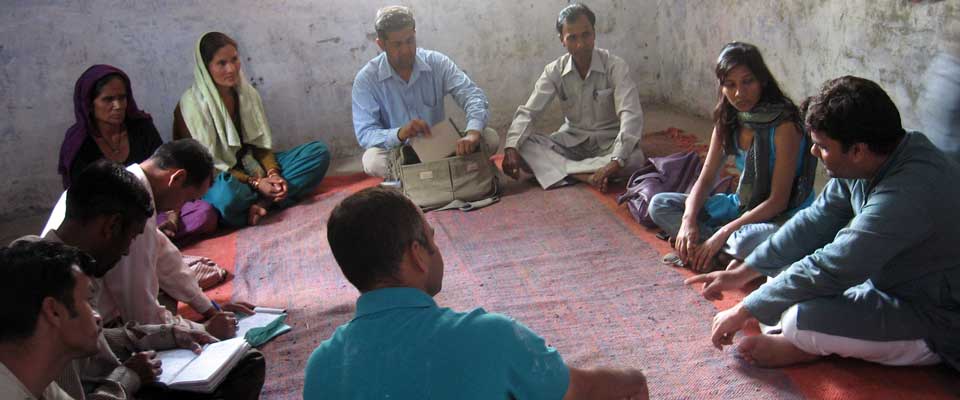
Collecting credible evidence in steep valleys and cloud-prone ridges requires methods as adaptable as the people being studied. SOPHIA blends paper registers maintained by community volunteers with periodic phone-based check-ins during the long winter migrations. Field coordinators cross-verify the figures during quarterly visits that combine monitoring with veterinary camps and rights awareness sessions.
The organisation treats data quality as a relational practice. Field staff are trained in numbers and in listening, so that a sudden drop in reported milk yield can be traced to a dry spring, a predator sighting, or a delayed forest pass. This reflective layer turns routine monitoring into early warning, helping communities and supporters respond before small stresses become crises.
Accountability to communities, not just donors
An M&E framework is only as credible as the people it answers to. SOPHIA shares its findings in village meetings before they reach funders, presenting charts on buffalo husbandry, forest rights claims, and milk marketing margins in language that herders recognise. Community members challenge interpretations, add context, and sometimes reject conclusions outright when they feel misread.
This feedback loop shapes project design as much as it validates outcomes. When a pilot showed low uptake of a fodder innovation, it was the herders themselves who explained that the variety clashed with local grazing customs. SOPHIA revised the trial, and the lesson now sits in the organisation's institutional memory, shared with peer NGOs across the region.
Lessons from Australia's own pastoral monitoring
Australia offers a useful mirror for pastoral development thinking. In the Kimberley and the channel country of western Queensland, stations track herd condition, pasture recovery, and Indigenous land management agreements under frameworks shaped by the Native Title Act 1993 and state pastoral legislation. Community-based monitoring among Aboriginal ranger groups near Darwin shows how traditional ecological knowledge can sit alongside satellite-based indicators of land health.
Australian researchers have also wrestled with measuring outcomes in mobile livestock systems, from wool enterprises in the south to extensive beef operations stretching inland from Perth. Their experiments with photo-voice, seasonal calendars, and ranger-led fire mapping echo what SOPHIA's teams practise in Himalayan valleys. The shared lesson is that pastoral monitoring succeeds when herders, families, and institutions co-author the numbers and use them to defend the landscapes and rights they depend on.
Across the mountain corridors of South Asia, SOPHIA's framework continues to evolve, and supporters who wish to understand the methodology in greater depth can explore the organisation's work through SOPHIA India. Pastoralists in the Himalayas, like those on the great Australian stations, deserve evidence systems that honour mobility, custom, and voice. Visit the website, read the field reports, and join the conversation about monitoring that truly serves the people it aims to support.