



SOPHIA’s Media Archive: Documenting Changing Landscapes
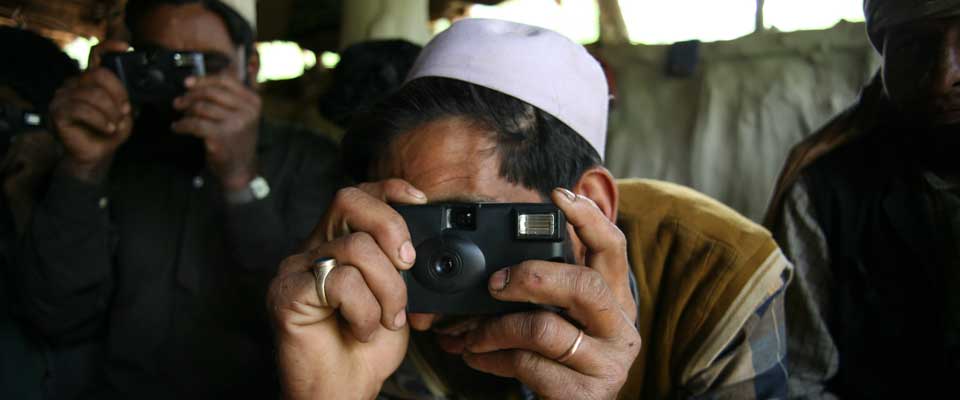
Across the Himalayan foothills, landscapes are shaped by people, animals, forests, rivers, roads, and changing policies. For Van Gujjar and village communities, a photograph or field video can preserve details that are often missing from official records: seasonal migration routes, buffalo camps, grazing areas, forest access, and the everyday work behind pastoral livelihoods.
SOPHIA’s media archive offers a visual record of this living relationship between communities and their environment. It brings together photographs, stories, project documentation, and media coverage from work in Uttarakhand, Himachal Pradesh, and Uttar Pradesh.
The archive also helps connect local experience with wider conversations about indigenous rights, domicile rights, sustainable livelihoods, conservation, and community-led development. Each image can serve as evidence, memory, and a way to make community priorities more visible.
A Living Record Of Himalayan Communities
A landscape is never just a background. For Van Gujjar families and Himalayan villagers, forests and grasslands provide grazing, fuel, water, shelter, and cultural continuity. Seasonal movement through these spaces depends on knowledge passed between generations and on access to common resources.
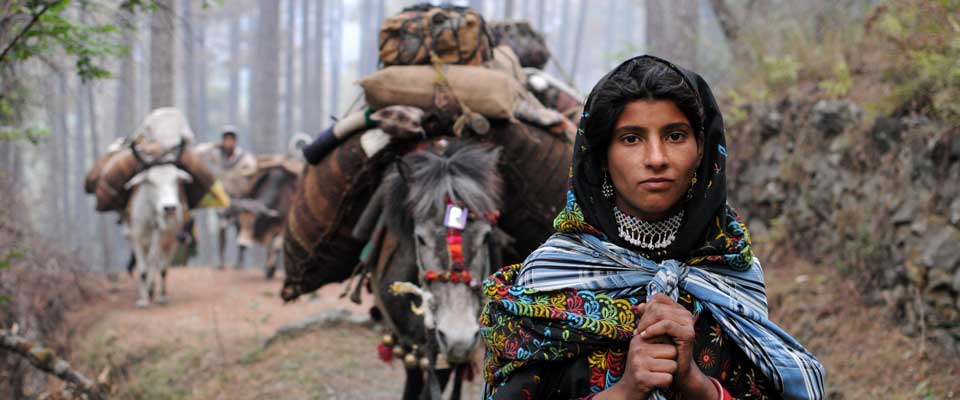
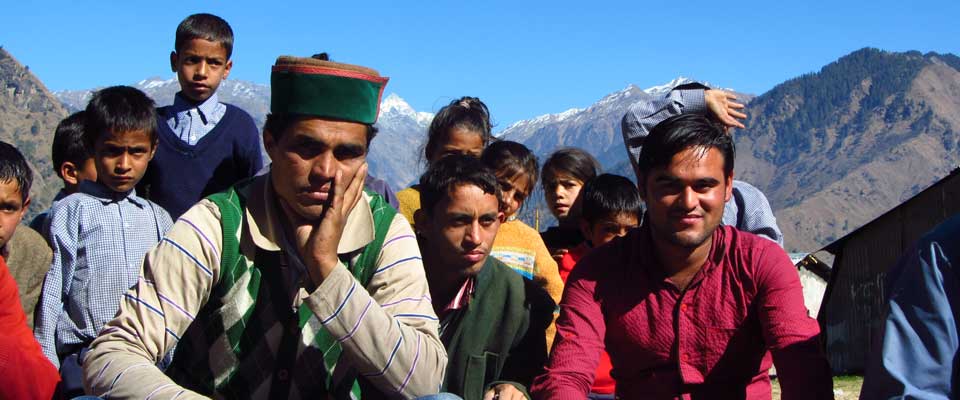
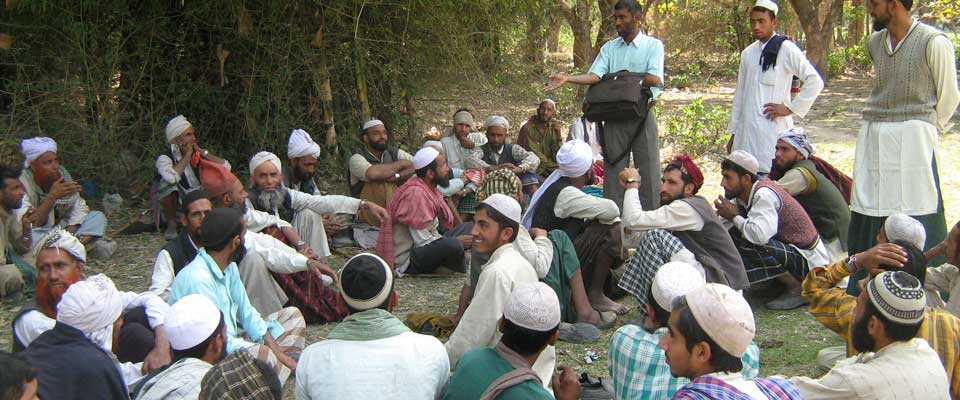
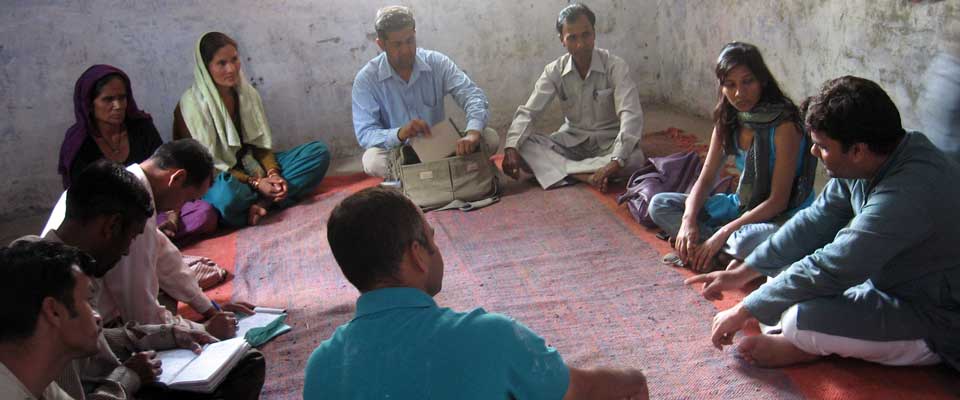
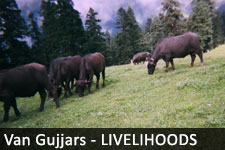
Visual documentation can capture this knowledge in context. Images of buffalo husbandry, forest settlements, village meetings, milk collection, and pastoral journeys show how livelihoods function in practice. They also reveal the pressures created by restricted access, environmental change, infrastructure expansion, and shifting administrative systems.
By preserving these moments, SOPHIA’s archive supports a fuller understanding of communities that are frequently described through statistics or policy language alone. It places people, work, and local knowledge at the center of the story.
Tracing Change Through Images
A strong media collection makes change easier to see over time. Repeated photographs from the same region may show altered forest cover, damaged paths, new roads, changing water sources, or shifts in settlement patterns. Community events and advocacy activities can also demonstrate how local participation develops.
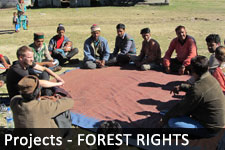
The archive can connect individual stories to broader issues. A photograph of a buffalo-rearing household may illustrate the importance of livestock for income and food security. A record of a public meeting may show how residents organize around forest rights or access to government services.
This visual evidence does not replace community testimony or formal research. It adds another layer of understanding, helping viewers recognize both the continuity of traditional livelihoods and the realities of a changing Himalayan environment.
From Field Documentation To Public Understanding
Media gathered through field visits can serve several purposes when it is carefully organized. It may support project reporting, public education, advocacy campaigns, partnership building, and communication with government institutions. It can also help communities present their experiences in their own visual and cultural settings.
| Archive material | What it can show | Why it matters |
|---|---|---|
| Community portraits | Everyday life, identity, and dignity | Counters stereotypes and centers lived experience |
| Pastoral journeys | Seasonal migration and grazing practices | Explains the spatial needs of mobile livelihoods |
| Buffalo husbandry images | Animal care, labor, and household economies | Highlights the value of sustainable pastoral systems |
| Forest and village landscapes | Resource access and environmental change | Supports discussion of rights and conservation |
| Meetings and training sessions | Social mobilization and collective decision-making | Demonstrates community-led action |
| Milk marketing activities | Local production and market connections | Shows pathways toward stronger rural incomes |
| Advocacy and public events | Engagement with institutions and policy processes | Makes rights-based work visible |
A searchable and accessible archive can help journalists, researchers, students, partner organizations, and supporters understand SOPHIA’s work without removing it from its local context. Captions, dates, locations, and community-informed descriptions make each item more useful and reduce the risk of images being separated from their meaning.
Documentation With Consent And Care
Ethical storytelling is essential when working with indigenous and pastoral communities. People should know how photographs, recordings, and personal information will be used. Consent should be meaningful, informed, and appropriate to the situation, especially when documentation involves children, vulnerable households, or sensitive legal and political matters.
Context matters as much as image quality. A compelling photograph should not turn hardship into spectacle or present a community as powerless. Responsible documentation recognizes agency, skills, leadership, and resilience alongside the challenges people face.
SOPHIA’s approach can help ensure that the archive remains a partnership rather than a collection made solely for outside audiences. Community voices, accurate captions, and respectful representation allow the media record to support rights-based communication.
A Resource For Advocacy And Learning
The archive can strengthen campaigns related to forest rights, domicile recognition, sustainable pastoralism, and access to public services. Images often make complex issues easier to understand, especially when paired with testimonies and clear explanations of local conditions.
For schools and community groups, the collection can also support learning about Himalayan ecology, indigenous culture, livestock care, migration, and rural economies. For supporters and partner NGOs, it provides a clearer view of field activities and the long-term relationships that make community work possible.
Used thoughtfully, visual documentation can connect local realities with public action. It can encourage informed solidarity while ensuring that communities remain authors of their own stories.
Ways To Engage With The Archive
Visitors can approach the collection as a record of people, places, and collective work rather than as a gallery of isolated images. Meaning grows when photographs are viewed alongside project information, community accounts, and updates about advocacy and livelihoods.
Useful ways to engage include:
- Explore photographs from different regions to notice shared experiences and local distinctions.
- Read captions and project descriptions to understand the context behind each image.
- Share archive materials responsibly, preserving credits and community perspectives.
- Use relevant stories in educational, research, or awareness work with proper attribution.
- Support SOPHIA’s field programs so documentation remains connected to ongoing community action.
SOPHIA’s media archive is a growing record of changing landscapes and enduring community knowledge. Explore the photographs, stories, and project updates, and help amplify the voices of Van Gujjar and Himalayan village communities through respectful engagement and sustained support.