




SOPHIA’s Emergency Relief Efforts During Floods and Landslides
In Uttarakhand, Himachal Pradesh and Uttar Pradesh, heavy monsoon rain can quickly turn mountain paths into torrents. Floodwater damages bridges, landslides block roads and isolated settlements may be cut off from markets, health services and government offices. For Van Gujjar families and Himalayan villages, these emergencies can threaten homes, livestock, food supplies and seasonal livelihoods at the same time.
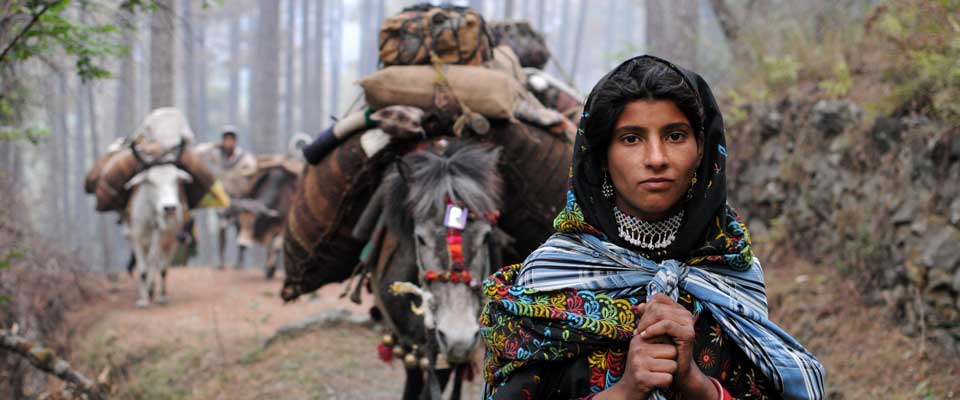
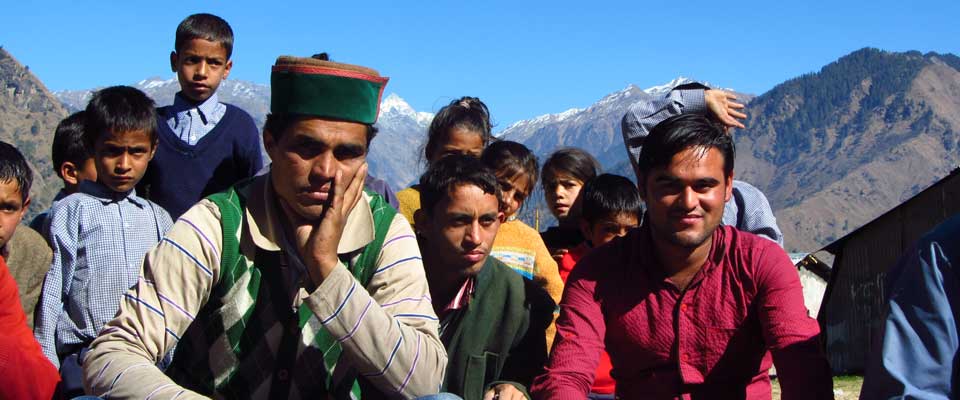
SOPHIA responds through relationships built long before a disaster occurs. Its work with indigenous and village communities creates trusted local networks that can identify urgent needs, share warnings and coordinate assistance when outside access is difficult. Relief is shaped around daily realities, including pastoral movement, buffalo husbandry, forest dependence and limited transport.
SOPHIA’s emergency relief efforts during floods and landslides are therefore connected to its wider rights-based mission. Immediate humanitarian aid helps families survive a crisis, while community advocacy and recovery support help them restore their livelihoods and claim fair access to public assistance.
Why Mountain Emergencies Become Humanitarian Crises
A flash flood in a river valley can destroy household goods within minutes. A landslide may leave a village without a usable road for days, making it difficult to obtain rice, flour, cooking fuel, medicines or fodder. Families who rely on buffalo milk and small-scale pastoralism can lose income when animals are injured, separated or unable to reach grazing areas.
These risks are especially serious for communities living near forests and steep slopes. Emergency response must account for local geography, customary movement and the practical needs of women, children, older people and people with disabilities. SOPHIA’s community-based approach helps keep these realities visible when relief priorities are being set.
Community-Led Relief And Local Knowledge
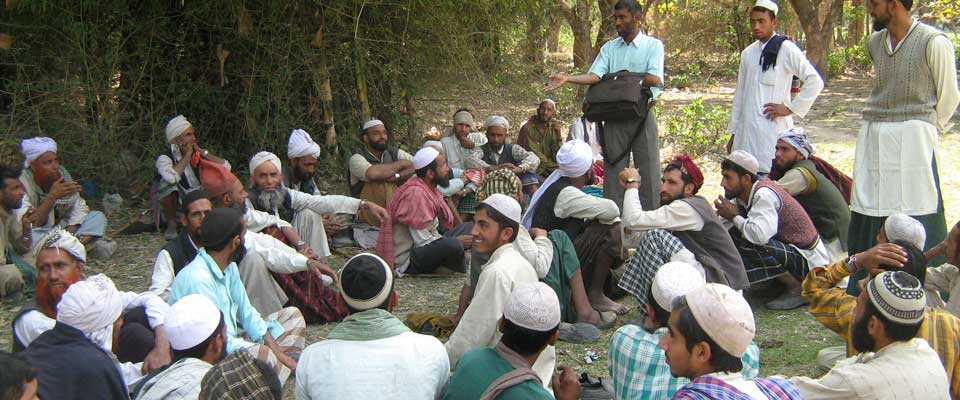
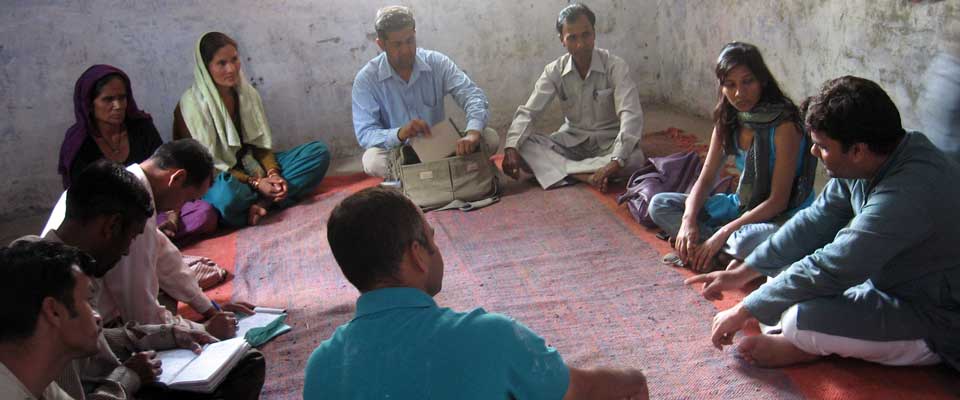
Local people are often the first to understand which route remains safe, which household needs urgent support and where livestock can be sheltered. SOPHIA can work through village contacts and social mobilisation to gather this information, communicate with public authorities and connect affected families with relief resources.
The organisation’s communities SOPHIA serves include Van Gujjar and Himalayan village populations whose knowledge is essential during a rapidly changing emergency. Their participation helps relief remain practical rather than relying on assumptions made far from the affected area.
This model has a useful parallel for Australians familiar with State Emergency Service volunteers during floods in Brisbane, regional New South Wales or northern Queensland. Local coordination matters in both settings, although Himalayan terrain, forest access and pastoral livelihoods create distinct operational pressures.
What Emergency Assistance Can Include
Relief priorities change according to the scale and location of damage. A family sheltering away from home may need basic household supplies, while a pastoral household may urgently need veterinary attention, fodder or a safe route for animals. Assistance also needs to be delivered respectfully, with attention to identity, dignity and community decision-making.
SOPHIA’s response can sit alongside government relief schemes and the work of partner NGOs. By documenting needs and communicating with officials, community representatives can pursue compensation, restore access to services and ensure that marginalised families are not overlooked when roads reopen and formal assessments begin.
Practical Support During The First Days
Emergency action is most effective when it combines immediate supplies with reliable information. For supporters in Australia, the following priorities show how a donation or partnership can translate into useful assistance on the ground.
Immediate relief priorities
- Safe drinking water, dry food and cooking essentials
- Tarpaulins, blankets, clothing and basic household items
- First aid, essential medicines and referral to health services
- Fodder, veterinary care and temporary shelter for buffalo
- Transport and communication for isolated settlements
Recovery priorities
- Clearing access routes and reconnecting villages with markets
- Replacing tools, containers and equipment used for milk production
- Supporting documentation for compensation and public relief
- Community meetings to assess losses and plan safe recovery
- Strengthening local preparedness for the next monsoon season
For an Australian audience, this kind of assistance is easy to relate to through local disaster fundraising, neighbourhood collections and weekend community markets. A contribution raised in Melbourne, Sydney or Perth can support flexible relief where families need it most, rather than being restricted to a single item before conditions are known.
Linking Relief With Long-Term Resilience
Flood and landslide recovery does not end when water levels fall. Families may face damaged grazing routes, lost milk income, debt and disrupted schooling for months afterwards. Rebuilding resilience means supporting livelihoods, protecting forest and domicile rights, and ensuring that communities have a voice in decisions affecting land and access.
SOPHIA’s broader work in rights advocacy, sustainable pastoralism and buffalo husbandry provides a foundation for this longer recovery. Government engagement and partnerships with other organisations can help connect emergency response with public services, livelihood programmes and fair rehabilitation measures.
Australians often understand this extended timeline through bushfire and flood recovery, where clean-up, insurance, mental health support and rebuilding continue long after media attention fades. In Himalayan communities, sustained solidarity is equally important, particularly when remoteness makes recovery slower and seasonal hazards remain present.
Support SOPHIA’s community-centred work by sharing its mission, building responsible partnerships or contributing to relief and recovery activities. Practical solidarity can help families protect their dignity, restore pastoral livelihoods and face the next flood or landslide with stronger local support.