




Connecting Van Gujjar Milk Producers With Urban Markets
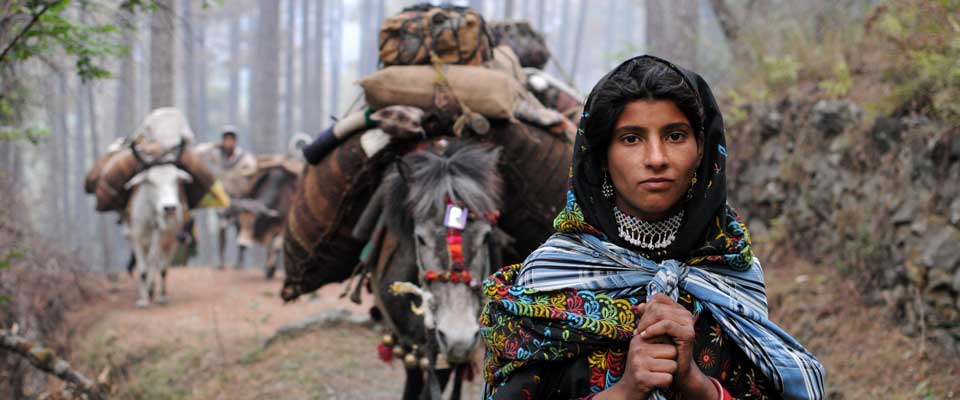
For Van Gujjar families in the Himalayan foothills, milk is more than a commodity. Buffalo husbandry supports household income, food security, mobility and cultural identity. Yet producers can struggle to reach dependable buyers when grazing routes are remote and local trading systems offer limited bargaining power.
SOPHIA works to strengthen the connection between Van Gujjar milk producers and urban consumers through community organisation, rights-based advocacy and sustainable livelihood support. Its approach recognises that better market access depends on secure forest and domicile rights, reliable transport, fair prices and producer confidence.
The opportunity is significant for socially conscious buyers in Australia. Consumers in Melbourne, Sydney, Brisbane and Perth are increasingly interested in ethical food, transparent supply chains and products that support Indigenous and pastoral communities. SOPHIA’s work offers a practical example of how community-led development can connect rural producers with responsible urban demand.
Why Market Access Matters For Van Gujjar Families
Van Gujjar communities traditionally move with their buffalo herds between seasonal grazing areas in Uttarakhand and neighbouring regions. This pastoral way of life is closely tied to forests, water sources and customary routes. Restrictions on access, uncertain settlement rights and weak links to formal markets can make it difficult for families to plan their livelihoods.
Milk sales provide regular cash flow for essentials such as education, healthcare, food and transport. When producers sell individually to intermediaries, they may have little influence over collection schedules, quality assessments or prices. Collective action can help families negotiate from a stronger position while preserving their cultural and pastoral practices.
Community Organisation As A Market Foundation
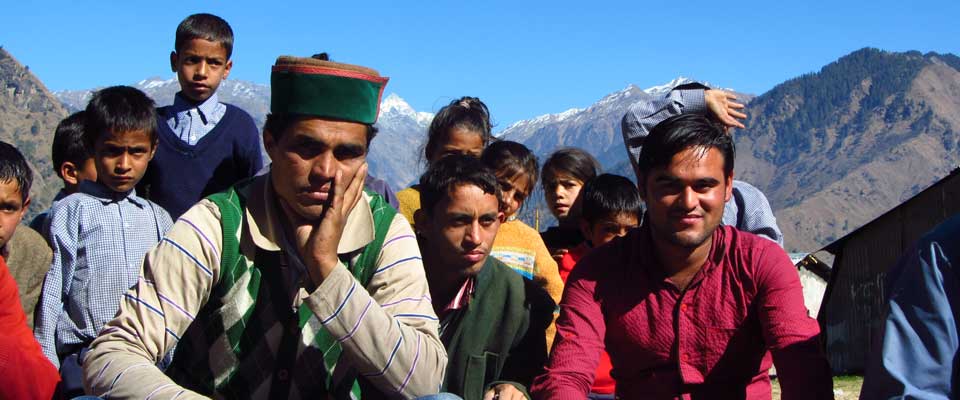
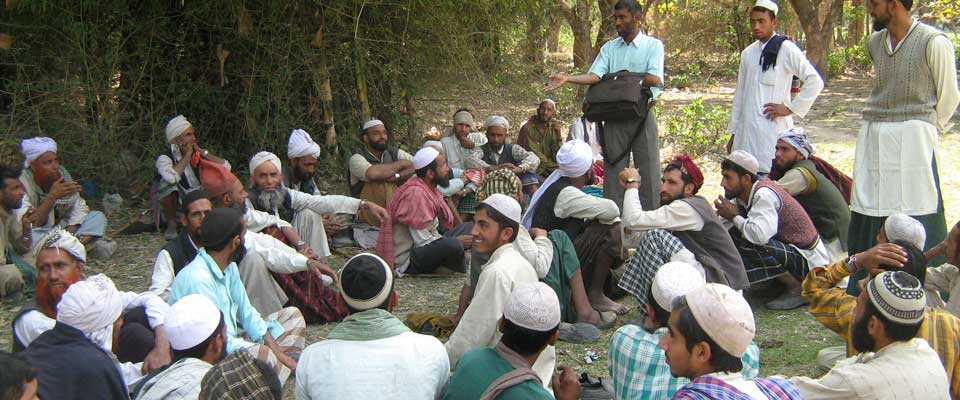
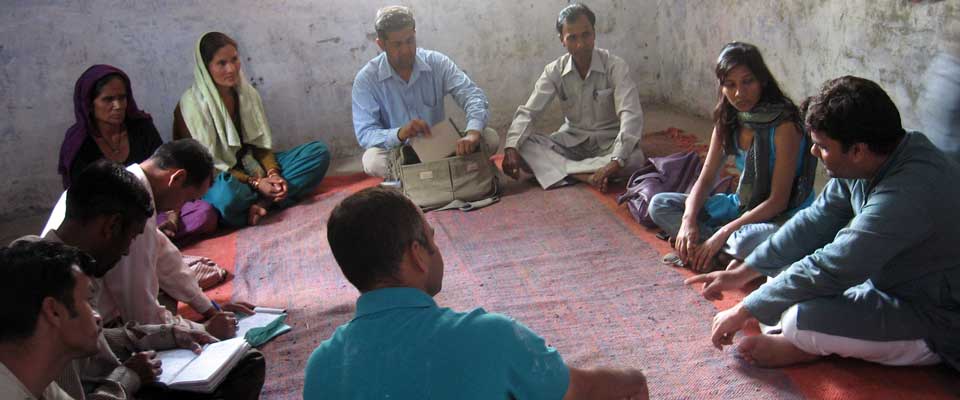
SOPHIA supports social mobilisation so producers can work together rather than operate as isolated households. Community groups can share information about buyers, coordinate collection and discuss common standards for hygiene, animal care and pricing. These structures also create space for women and younger community members to participate in economic decisions.
Producer organisation is especially important where roads, refrigeration and communications are limited. A coordinated network can make it easier to identify urban demand, plan deliveries and respond to changing prices. It can also help communities document their needs when engaging with local authorities and government departments.
From Buffalo Husbandry To Reliable Supply
Improved market connections begin with the health and productivity of the buffalo herds. SOPHIA’s focus on sustainable pastoral livelihoods and buffalo husbandry supports families in maintaining animals that are central to their income. Practical knowledge about feeding, veterinary care and responsible herd management can contribute to more consistent milk production.
Quality and traceability are also important for urban buyers. Customers in Sydney or Melbourne may expect clear information about where food comes from, how animals are treated and how producers are paid. While Himalayan supply systems differ from Australian supermarket chains such as Coles and Woolworths, the principle is similar: trust grows when the journey from producer to purchaser is visible.
Reaching Ethical Urban Consumers
Urban market access may involve relationships with milk collectors, local retailers, restaurants, cooperatives and values-based food businesses. SOPHIA’s role can include helping communities understand buyer requirements, strengthening communication and supporting advocacy for fairer trading arrangements. These links are most effective when commercial goals remain aligned with community rights.
Australian audiences are familiar with farmers’ markets, community-supported agriculture and Indigenous-led enterprises. A weekend market in Melbourne or a social enterprise in Brisbane may provide useful reference points for understanding how customers value provenance and producer stories. For Van Gujjar milk, ethical marketing should present the community with dignity rather than reducing pastoral life to a promotional image.
Partnerships That Support Fairer Trade
SOPHIA’s engagement with government, NGOs and other partners can help address barriers beyond the marketplace. Roads, chilling facilities, veterinary services, storage and appropriate licences may require coordinated public support. Advocacy can also draw attention to the relationship between forest rights, pastoral mobility and long-term economic security.
Partnerships with responsible organisations in India and abroad could support training, market research, cold-chain development and communications. Australian supporters can contribute expertise in cooperative business, ethical procurement and community-controlled development, while learning from Van Gujjar knowledge of livestock, landscapes and seasonal movement.
Practical Ways To Strengthen The Link
A responsible market relationship should be built gradually, with producers setting priorities and retaining control over their knowledge, brand and income. Useful steps include:
- Organise producer groups around transparent pricing and shared collection schedules.
- Improve milk handling, storage and transport without undermining pastoral mobility.
- Record producer stories with informed consent and fair representation.
- Build direct relationships with ethical retailers, hospitality businesses and cooperatives.
- Include women and young people in training, governance and financial decisions.
- Track payments, volumes and buyer feedback to improve accountability.
- Connect market activity with advocacy for forest, grazing and domicile rights.
For Australian organisations, this could mean funding a clearly defined pilot, purchasing through a responsible partner or sharing expertise in cooperative governance. Any partnership should use plain agreements, realistic delivery expectations and safeguards against unpaid labour or extractive storytelling.
SOPHIA’s market work demonstrates that livelihood support is strongest when it connects income with rights. A secure buyer relationship has greater value when families can continue caring for buffalo, moving through customary landscapes and participating in decisions that affect their future.
Readers in Australia can learn more through SOPHIA’s project information, media archive and community updates. NGOs, ethical businesses, researchers and individual supporters can help expand fair market opportunities by opening a partnership conversation, sharing relevant expertise or contributing resources to community-led programmes.