


SOPHIA’s collaboration with veterinary services for mobile clinics
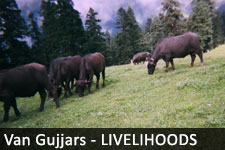
For Van Gujjar pastoralists, buffalo are central to household income, nutrition, transport and cultural identity. When an animal becomes ill, the loss can affect an entire family, especially when herders are moving seasonally through forests and mountain grazing areas.
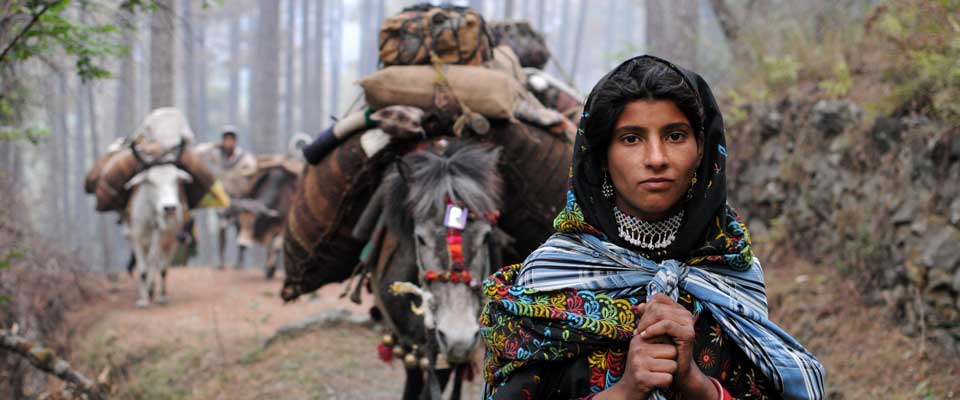
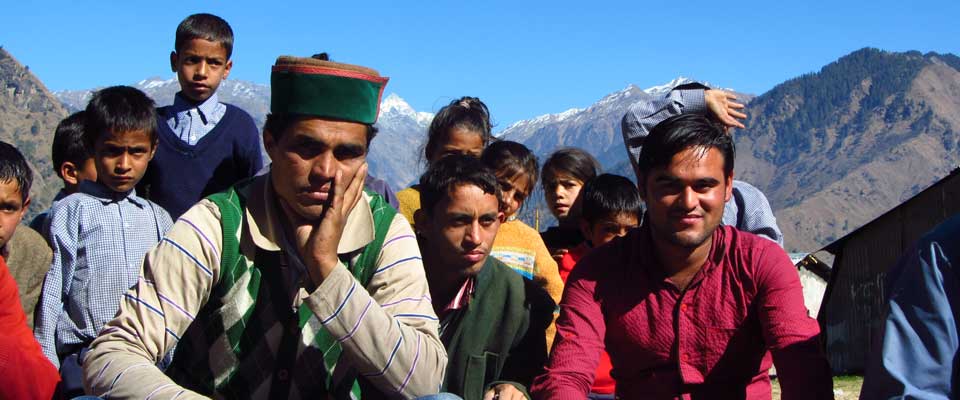
SOPHIA works with veterinary professionals to bring basic animal healthcare closer to these mobile and remote communities. Rather than expecting families to travel long distances to a government facility, mobile clinics meet herders along migration routes and in Himalayan villages.
This approach connects animal welfare with indigenous rights, sustainable pastoral livelihoods and reliable milk production. It also strengthens the relationship between communities and public veterinary departments, helping local concerns reach the officials responsible for animal health services.
For Australian supporters familiar with the distances between regional towns, cattle stations and veterinary practices, the value of outreach is easy to understand. A clinic serving a remote settlement in Uttarakhand may face access barriers comparable in principle, though very different in geography, to services reaching pastoral families beyond Alice Springs or western Queensland.
Reaching herders where they live and travel
Van Gujjar families often follow seasonal routes between forest areas and higher grazing grounds. Their buffalo may be spread across difficult terrain, making a fixed clinic impractical. SOPHIA helps coordinate visits, identify urgent cases and communicate with veterinary teams before problems become more serious.
A mobile unit can provide examinations, first aid, vaccination, deworming and advice on feeding, hygiene and disease prevention. The work is most effective when veterinarians respect local knowledge and understand the daily realities of pastoral households.
SOPHIA’s wider rights-based work gives this health programme an important foundation. Through its community programmes, the organisation supports dialogue, social mobilisation and engagement with government agencies, allowing veterinary outreach to become part of a broader effort for secure livelihoods.
Protecting buffalo health and household income
Buffalo milk is a valuable source of food and cash. Illness, infertility, parasites or poor nutrition can reduce milk yields and force families to spend money on treatment or replace productive animals. Early veterinary attention therefore protects both animal welfare and household finances.
Veterinary teams may assess body condition, identify signs of infection, advise on breeding management and demonstrate practical care methods. Where medicines are supplied, clear instructions help families use them safely and complete treatment correctly.
This has parallels with Australia’s regional dairy and livestock sectors, where animal health affects farmgate returns and the stability of local supply chains. A buffalo herd in the Himalayas is managed in a different environment, yet the connection between healthy animals, dependable milk and family security is familiar.
Building trust through practical services
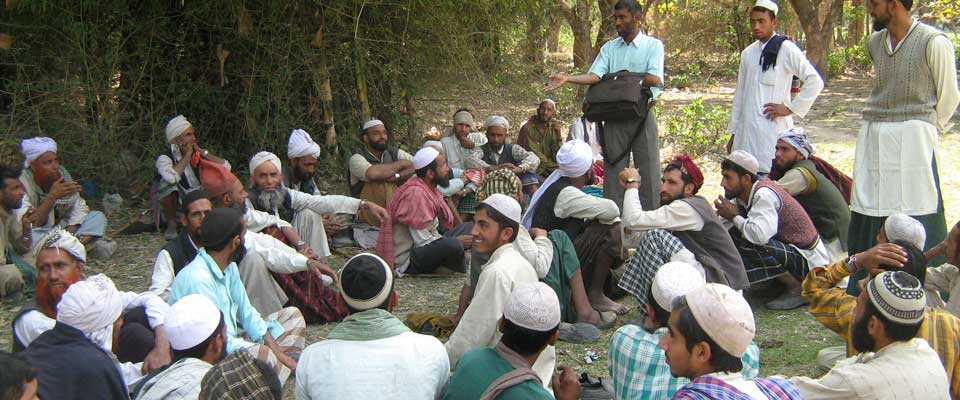
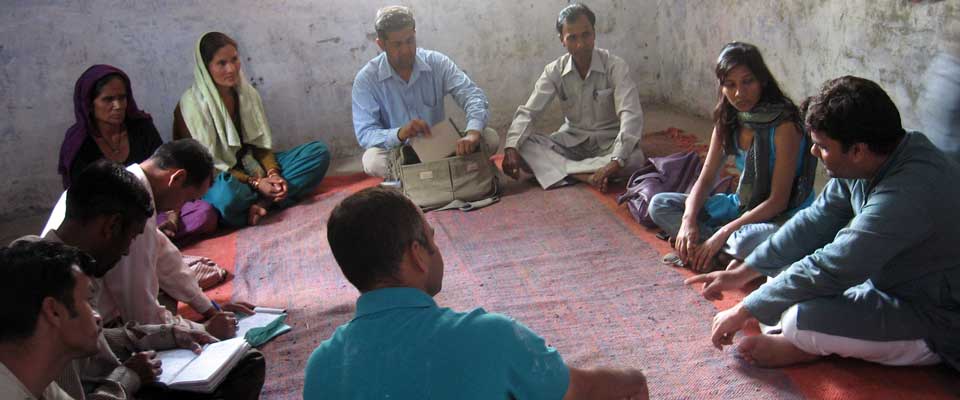
Mobile clinics are also spaces for conversation. Community members can raise concerns about veterinary access, forest restrictions, grazing routes, animal markets and government schemes. Staff can record these priorities and help families understand available services and entitlements.
Trust grows when visits are regular rather than occasional. It also grows when women, elders and young people can participate, and when veterinarians explain their advice in accessible language instead of relying only on technical terms.
Useful services commonly delivered through coordinated outreach include:
- Basic examination and treatment for sick buffalo
- Vaccination and parasite-control support
- Reproductive and breeding advice
- Guidance on fodder, clean water and shelter
- Referrals for serious cases requiring advanced care
Connecting animal care with milk marketing
Healthy buffalo produce more consistent milk, but production alone does not guarantee a fair return. SOPHIA links veterinary support with work on milk marketing, cooperative approaches and community capacity, helping pastoral families consider how quality, timing and collective organisation influence earnings.
For Australian audiences, the comparison can be seen at a weekend farmers’ market in Melbourne or Sydney, where customers may pay a premium for products with a clear story of origin. In Himalayan communities, transparent local milk channels can similarly help producers retain more value, although transport, refrigeration and market access remain major challenges.
Veterinary records can support this process by documenting treatments and improving awareness of withdrawal periods. Safe handling protects consumers and strengthens confidence among buyers, shops and local collection points.
Supporting stronger public veterinary systems
SOPHIA’s collaboration does not replace government veterinary services. Instead, it helps connect those services with communities that may otherwise be overlooked because of distance, seasonal movement or limited documentation. Joint visits can reveal where staffing, medicine supplies and transport arrangements need improvement.
The model also creates useful feedback. Veterinary officers learn more about migration patterns and common herd problems, while community members gain clearer information about prevention, emergency referrals and public schemes. Over time, this can encourage more responsive planning at district level.
People in Australia can support this work by sharing SOPHIA’s mission through community groups, ethical fundraising networks, university programmes and livestock or animal-welfare circles. Support may help extend clinic visits, improve supplies and strengthen training for community-based animal health practices.
Practical ways to contribute include:
- Funding medicines, vaccines and basic examination equipment
- Supporting transport to remote pastoral settlements
- Sharing information about indigenous rights and pastoral livelihoods
- Encouraging partnerships between NGOs and veterinary institutions
- Promoting responsible, community-led development initiatives
Mobile veterinary care shows how a focused service can contribute to wider social change. When buffalo remain healthy, families are better positioned to maintain milk production, negotiate markets and continue pastoral traditions with greater security.
To stand with Van Gujjar and Himalayan village communities, explore SOPHIA’s work, share its programmes with relevant Australian networks and consider making a contribution to community-led veterinary outreach.