





SOPHIA’s Approach to Sustainable Livelihoods in the Himalayas
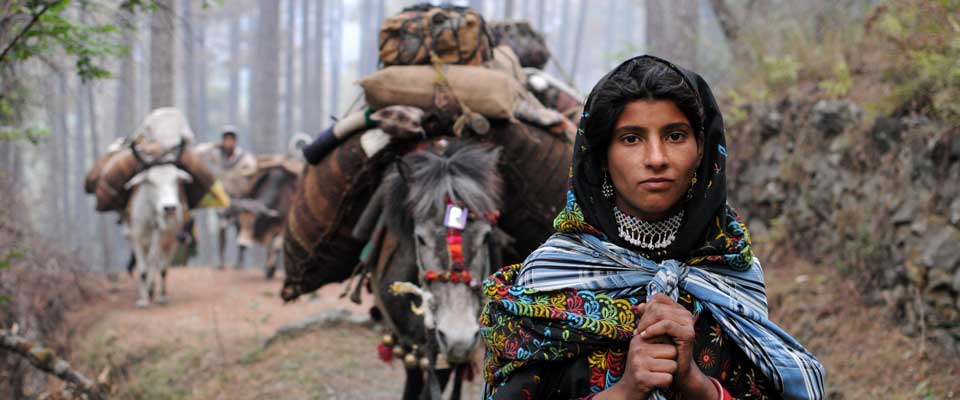
In the Himalayan foothills, livelihoods are closely connected to forests, grazing routes, livestock, seasonal migration, and community institutions. For Van Gujjar families and village communities, economic security depends on whether people can access these resources safely, participate in local decisions, and receive fair value for their work.
SOPHIA works with communities in Uttarakhand, Himachal Pradesh, and Uttar Pradesh to strengthen these foundations. Its approach combines indigenous rights, sustainable pastoralism, buffalo husbandry, milk marketing, social mobilization, and engagement with government systems.
The aim is practical and long term: help families build stable incomes while protecting the ecosystems and cultural practices that support life in the mountains.
Community knowledge as a foundation
Sustainable development begins with listening to the people who depend on Himalayan landscapes every day. Van Gujjar pastoralists and village residents possess detailed knowledge of fodder availability, forest conditions, animal health, water sources, weather patterns, and seasonal movement. SOPHIA treats this knowledge as an essential resource rather than a barrier to modernization.
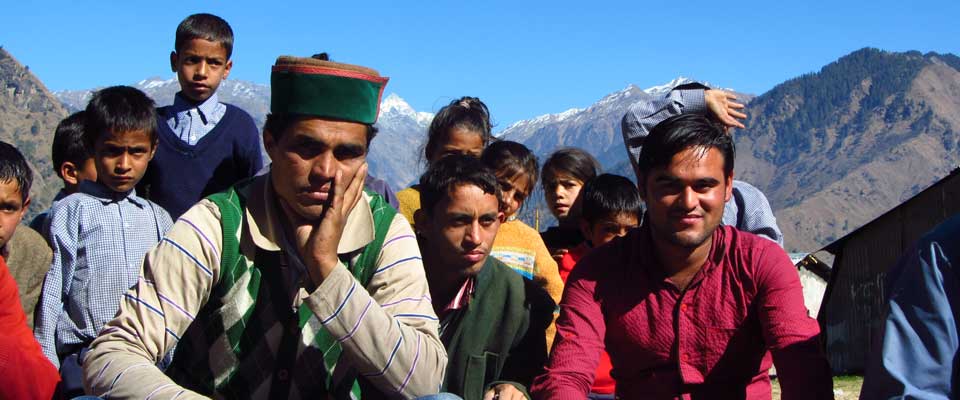
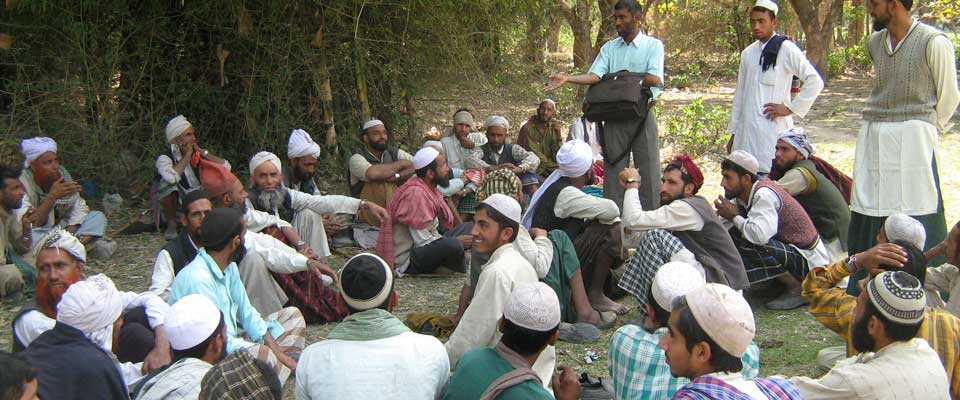
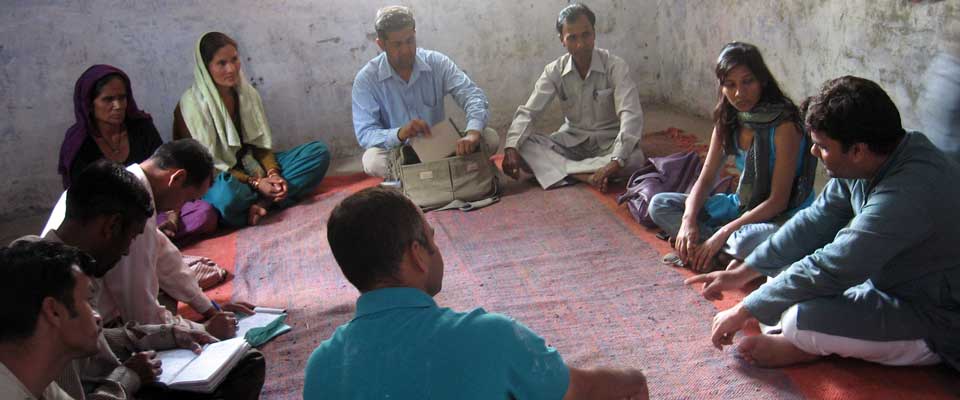
Community meetings, rights-based projects, and social mobilization create space for people to identify their priorities. This approach helps ensure that livelihood programmes reflect local realities, including the different responsibilities and concerns of women, elders, pastoral families, and young people.
Protecting rights and access to resources
Forest rights and domicile rights are central to livelihood security. When communities face uncertainty over residence, grazing access, or the use of forest resources, it becomes difficult to plan investments in livestock, housing, education, or small businesses. SOPHIA supports people in understanding their rights and engaging with relevant government institutions.
Advocacy is paired with practical assistance. By helping communities organize, document concerns, and communicate with officials, the organization supports more accountable decision-making. Secure rights can enable families to manage natural resources responsibly while maintaining their cultural identity and traditional occupations.
Strengthening pastoral and livestock livelihoods
Buffalo husbandry is an important source of nutrition, income, and household resilience. Healthy animals provide milk, manure, breeding value, and a financial asset that can help families manage seasonal expenses. SOPHIA promotes better husbandry practices while recognizing that pastoral systems must remain compatible with local ecology and mobility.
Support may include awareness about animal nutrition, veterinary care, breeding, clean housing, and access to services. The goal is not to replace traditional knowledge, but to combine it with useful technical information. Healthier livestock can reduce avoidable losses and improve the quality and consistency of milk production.
| Livelihood area | Community benefit | Sustainability focus |
|---|---|---|
| Buffalo husbandry | Improved animal health and household income | Better care, nutrition, and disease prevention |
| Milk marketing | Fairer returns for producers | Reliable quality and stronger local market links |
| Forest access | Fodder, fuel, and cultural continuity | Rights-based and responsible resource use |
| Pastoral mobility | Continued seasonal livelihood practices | Recognition of grazing routes and local ecology |
| Community institutions | Greater voice in local decisions | Collective action and accountable governance |
Creating stronger milk markets
Milk marketing can turn livestock ownership into a more dependable source of income, but producers often face weak bargaining power, inconsistent prices, limited transport, and inadequate storage. Strengthening local market connections can help families receive better returns for the work involved in maintaining animals.
SOPHIA’s work connects livelihood improvement with collective organization. When producers share information, coordinate sales, and engage with buyers or public agencies, they may be better positioned to address quality standards and pricing concerns. Better market access also encourages investment in animal health and responsible production.
Linking conservation with household resilience
Himalayan ecosystems are sensitive to pressure from changing rainfall, land degradation, infrastructure expansion, and reduced access to traditional commons. Sustainable livelihoods therefore require an approach that supports both household income and environmental stewardship.
Pastoral communities can contribute to landscape care through responsible grazing, protection of water sources, and local monitoring of forest conditions. SOPHIA’s rights-based model recognizes that conservation is more durable when communities have a meaningful role in decisions affecting their land and livelihoods. Environmental protection should support dignity and security rather than exclude the people who have long depended on these areas.
Building partnerships and local leadership
No single organization can address the complex economic, social, and environmental challenges of the Himalayas alone. SOPHIA works through partnerships with NGOs, community groups, government departments, and other institutions. Government engagement can help connect local priorities with public schemes, veterinary services, welfare programmes, and legal processes.
Local leadership is equally important. Community members who gain experience in organizing, advocacy, and negotiation can carry initiatives forward beyond an individual project. This strengthens social accountability and helps ensure that development efforts remain rooted in the communities they serve.
Priorities for lasting livelihood security
A strong livelihood programme should respond to immediate needs while building the capacity to handle future change. The following priorities support that balance:
- Secure recognition of forest, domicile, grazing, and pastoral rights.
- Improve buffalo health through accessible veterinary and husbandry services.
- Strengthen producer groups and transparent milk marketing channels.
- Include women and young people in community decisions and training.
- Combine local ecological knowledge with practical climate adaptation measures.
These priorities reinforce one another. Rights make planning possible, healthy animals improve income, organized producers gain bargaining strength, and inclusive leadership creates continuity. Together, they form a community-centered pathway toward economic resilience in the Himalayan region.
SOPHIA’s work shows that sustainable livelihoods are built through relationships: between people and forests, producers and markets, communities and government, and traditional knowledge and new opportunities. Support this work by learning more about the organization, sharing its mission, partnering with its programmes, or contributing to initiatives that advance indigenous rights and resilient Himalayan communities.