



SOPHIA And Pastoralist Voice In Panchayats
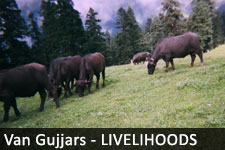
For Van Gujjar families, political representation is closely connected to everyday survival. Seasonal movement, access to forests, buffalo husbandry, grazing routes and milk sales all depend on decisions made by public institutions. When pastoralists are absent from those institutions, policies can overlook the realities of mobile communities and place their livelihoods under additional pressure.
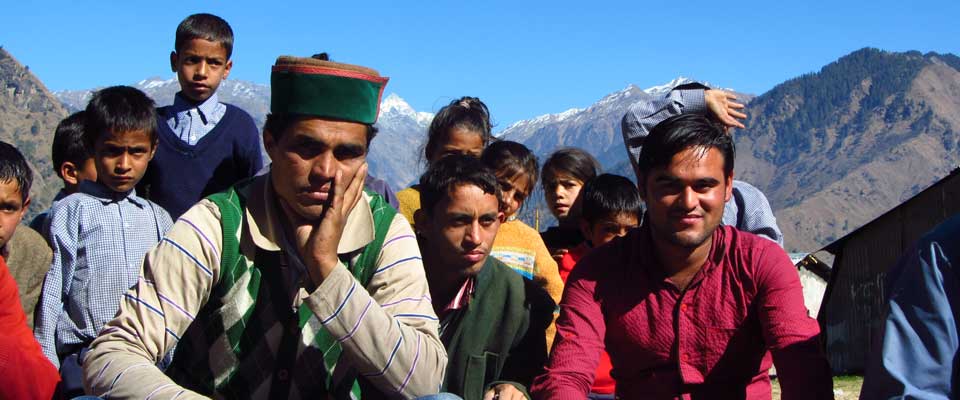
SOPHIA works with Himalayan and village communities in Uttarakhand, Himachal Pradesh and Uttar Pradesh to strengthen rights, participation and collective action. Its advocacy for pastoralist representation in Panchayat institutions helps transform community concerns into recognised priorities within local governance.
Why Local Representation Matters
Panchayats influence public services and development planning at village and local levels. Their decisions can affect roads, water access, schooling, health services, land-use planning and livelihood support. For Van Gujjars, these matters are shaped by seasonal migration and the practical requirements of keeping buffalo in forest and mountain environments.
A representative voice allows pastoralist households to explain their circumstances directly rather than being treated as temporary visitors or beneficiaries without agency. It can also improve communication between communities and government departments, helping officials understand why grazing access, domicile recognition, forest rights and milk marketing must be addressed together.
The issue has clear relevance for Australian readers. A family buying milk at a Melbourne farmers market or a supermarket may rarely see the work behind that product, while Australian pastoralists manage distance, drought, biosecurity rules and changing land access. Local councils, state legislation and national measures such as the Native Title Act 1993 also show how land, culture and representation are connected.
From Mobility To Political Voice
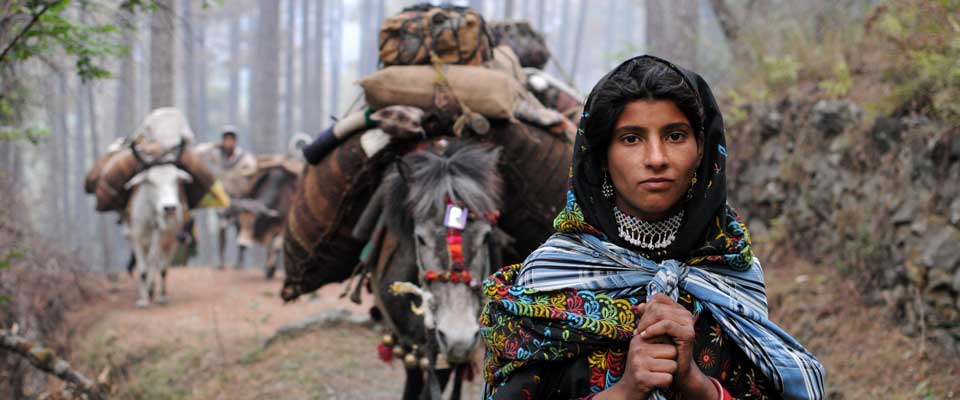
Pastoral mobility is often misread as a lack of permanence. In reality, seasonal movement follows established ecological knowledge, customary routes and livestock needs. A family may spend different parts of the year in forest, foothill or village areas while maintaining social and economic ties across them.
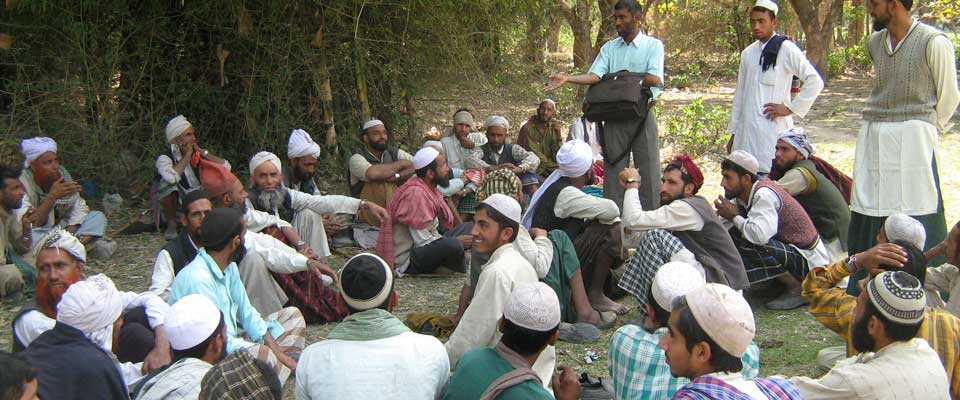
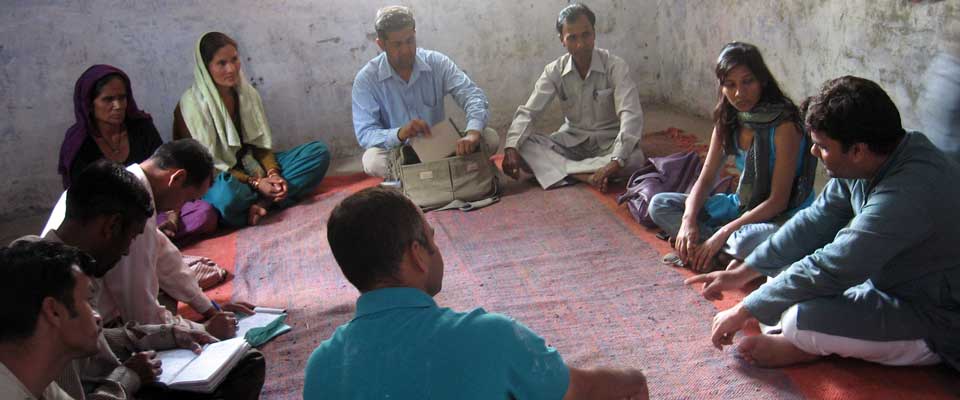
SOPHIA’s work recognises that participation must be designed around this mobility. Meetings, awareness programmes and rights campaigns need accessible language, flexible timing and respect for community leadership. Building confidence to attend Gram Sabha meetings, communicate with elected representatives and document local concerns is an important part of this process.
SOPHIA’s profile of Van Gujjar communities provides context for understanding the people whose representation is at stake. Their experience shows why a single administrative category cannot capture the social, cultural and economic dimensions of pastoral life.
Rights Advocacy With Panchayats
Effective advocacy links legal rights with practical governance. Forest and domicile rights may be discussed at national or state level, yet implementation frequently depends on local records, officials, public meetings and elected bodies. Panchayats can help communities raise claims, monitor services and seek accountability when commitments are delayed.
SOPHIA supports this process through social mobilisation, government engagement and partnerships with other civil society organisations. The aim is not to speak on behalf of communities indefinitely, but to strengthen their ability to set priorities, negotiate with institutions and participate in decisions affecting their future.
Representation also improves development outcomes. A Panchayat that hears directly about fodder shortages, unsafe migration routes, veterinary needs or weak milk collection can advocate for more suitable programmes. This creates a bridge between community knowledge and public planning rather than imposing projects that do not match local conditions.
What Australian Communities Can Recognise
The details differ between the Himalayas and Australia, but the underlying question is familiar: who gets heard when public decisions affect land-based livelihoods? Australian communities understand that regional policy can look very different in a capital city from how it works on a remote station, in a coastal town or at a weekly farmers market.
Everyday habits expose another connection. Australians commonly rely on refrigerated milk, local food shops and weekend markets, yet the supply chain depends on producers having viable land access, transport and fair prices. SOPHIA’s focus on buffalo husbandry and milk marketing similarly connects political representation with household income and food systems.
The institutional settings are different. Indian Panchayats operate within a village governance system, while Australian local councils work under state or territory legislation. Still, both systems demonstrate why participation from affected residents matters when decisions concern services, land use and local economic development.
Practical Ways To Back Representation
Supporters can help create conditions in which pastoralist voices are treated as essential to local planning. Useful priorities include:
- Funding rights awareness and community leadership training
- Supporting documentation of grazing routes and livelihood needs
- Strengthening links between pastoralists, Panchayats and government departments
- Promoting fairer milk collection and marketing systems
Partnerships are most valuable when they respect community priorities and provide consistent support rather than short-term visibility. Australian NGOs, researchers, ethical businesses and community groups can contribute by sharing knowledge, building responsible networks and recognising indigenous and pastoral expertise.
Practical partnership actions include:
- Sharing credible information about pastoralist rights
- Connecting SOPHIA with rural development and legal networks
- Supporting participatory research led by community priorities
- Purchasing or promoting products through fair and transparent channels
- Amplifying evidence-based advocacy in public discussions
SOPHIA’s approach places representation within a wider rights-based movement. Panchayat participation is valuable because it gives pastoralist families a route into decisions that shape forest access, services, livelihoods and dignity.
Support this work by learning about SOPHIA’s projects, sharing its community-focused resources and developing partnerships that strengthen pastoralist leadership. Meaningful solidarity begins when local knowledge is recognised as a foundation for fairer governance.