



Legal Barriers to Buffalo Herd Health Certification
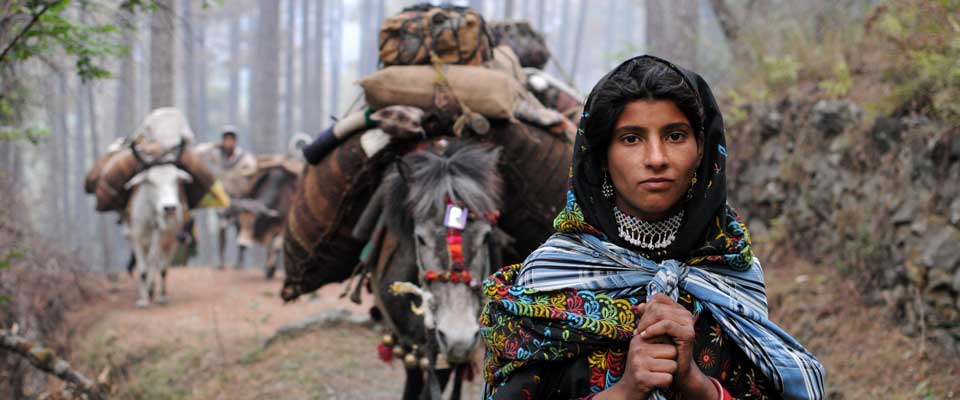
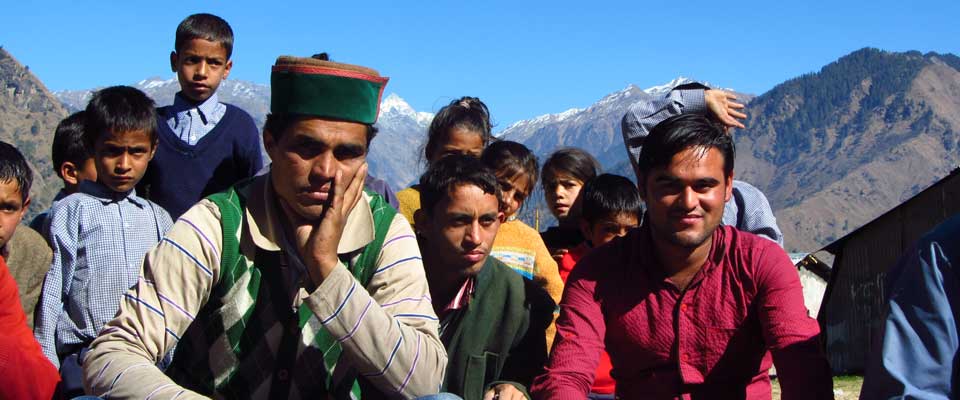
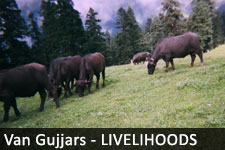
For Van Gujjar pastoralists and Himalayan village families, buffaloes are central to household income, nutrition and cultural continuity. Yet obtaining an animal health certificate can involve far more than a veterinary examination. Registration records, forest access, transport permissions, ownership documents and local administrative rules may all affect whether a herd can move or enter a formal milk market.
These difficulties matter to Australian readers because traceability and biosecurity are familiar priorities in places such as Darwin, Brisbane and Melbourne. The legal framework in India is different, however, and mobile communities may face barriers that are administrative, geographic and social at the same time.
Why Herd Registration Becomes Difficult
A buffalo herd may be managed collectively, moved seasonally and recognised through community relationships rather than individual title deeds. Officials may still request proof of ownership, a permanent address, ear tags, vaccination records or land documents. For Van Gujjar families travelling between forest grazing areas and villages, these requirements can be difficult to meet.
Different departments may also hold separate responsibilities. A veterinary office may issue a health certificate, while forest officials regulate access routes and local authorities record livestock ownership. When databases are not connected, a missing document in one office can delay the entire process, even where the animals are healthy.
Documents, Identity And Domicile
Many pastoral families lack formal evidence that matches the administrative identity expected by the state. Names may be spelled differently across ration cards, voter records, domicile certificates and livestock registers. A family that moves between Uttarakhand and neighbouring areas may also be treated as a temporary resident rather than a rights-bearing community member.
This creates a legal gap between customary livelihood and bureaucratic proof. A herd can be known locally for generations but remain absent from official records. SOPHIA’s rights-based principles are relevant to this problem because fair registration should recognise community rights while protecting public health.
Veterinary Certification And Public Health
Animal health certificates usually depend on vaccination, disease surveillance and an examination by an authorised veterinarian. In remote Himalayan areas, veterinary services may be separated from grazing routes by steep terrain, poor roads and seasonal weather. Reaching an office can cost a family several days of work and transport expenses.
Officials may also require tests or certificates issued within a short period before movement. If a herd is inspected too early, the document can expire before the animals reach a market or winter settlement. Clear mobile veterinary camps, multilingual guidance and predictable renewal periods would reduce these practical obstacles without weakening disease control.
Forest Law And Seasonal Movement
Forest access is a major part of the legal picture. Buffalo herds may follow traditional routes through protected forests, reserve areas or land governed by special conservation rules. A health certificate does not automatically authorise grazing or transport, so families can face separate permissions from forest and revenue authorities.
This overlap can produce conflicting instructions. A pastoralist may hold evidence of vaccination but still be stopped because a transit pass, route permission or domicile record is missing. Rights-based implementation of forest and welfare laws should allow lawful seasonal mobility while maintaining safeguards against disease transmission and environmental damage.
Lessons For Australian Stakeholders
Australia’s livestock sector offers a useful comparison, though its systems cannot simply be transplanted. Producers near Darwin and across the Northern Territory work within strict biosecurity controls, while movements through saleyards and transport networks depend on reliable identification and records. Buffalo enterprises must also account for state and territory rules, quarantine directions and market access conditions.
Australian consumers in Melbourne, Sydney and Brisbane may encounter buffalo milk, yoghurt or mozzarella through specialist retailers and South Asian food businesses. Demand around religious and cultural occasions, including Eid, can make reliable supply important. Yet a formal market often expects consistent testing, cold-chain handling and traceability, requirements that may exclude small pastoral producers unless registration is designed around their circumstances.
A Fairer Registration Pathway
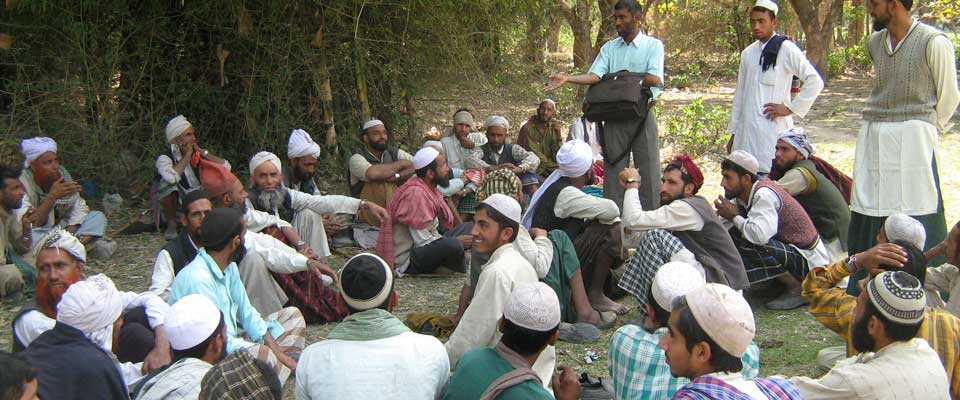
A workable system would begin with community-supported enumeration of herds, followed by low-cost identification and vaccination records. Veterinary teams could coordinate with local leaders, forest officials and panchayats during seasonal migration periods. Temporary certificates linked to verified family or community records could help animals move legally without forcing pastoralists to abandon customary livelihoods.
Digital tools may assist, but they should not become the only route to recognition. Paper alternatives, local-language forms, receipt-based applications and an appeal process are essential where connectivity is weak. Training community paravets and creating help desks near grazing corridors could make animal health compliance practical rather than punitive.
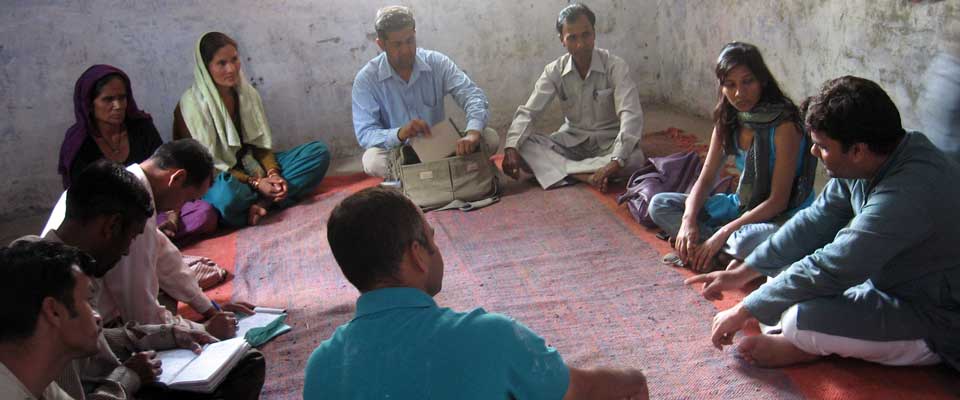
SOPHIA’s work with indigenous communities, government agencies and civil society partners demonstrates why legal registration should be connected to empowerment. Stronger records can support milk marketing and disease prevention when communities help shape the rules and receive clear protection from arbitrary confiscation, fines or exclusion.
Organisations, researchers, veterinary professionals and ethical dairy buyers can support this work by promoting accessible certification, funding mobile health services and listening to pastoral communities before new compliance systems are introduced. Learn more about community-led rights and livestock initiatives through SOPHIA’s website and help build pathways that protect both public health and the livelihoods behind India’s buffalo economy.